
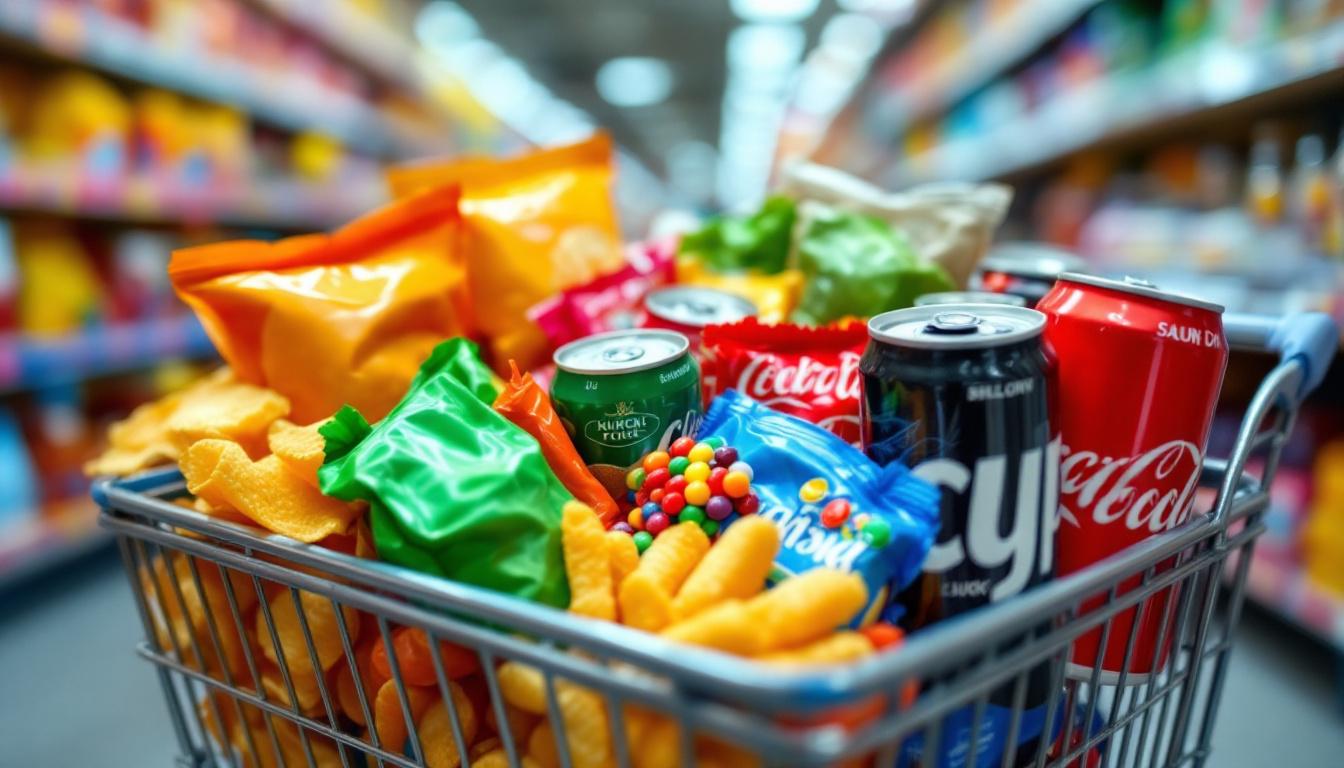
A coalition of Supplemental Nutrition Assistance Program (SNAP) recipients has filed a federal lawsuit challenging the U.S. Department of Agriculture’s (USDA) new restrictions on certain food and beverage purchases. The suit, filed in Washington, D.C., on March 13, 2026, contends that the Trump administration’s waivers, which prohibit the purchase of items like soda, candy, and energy drinks, exceed federal authority and create significant confusion and hardship for participants nationwide.
"the waivers effectively let the administration insert its food policy preferences without proper public notice." — Katharine Deabler-Meadows, Senior Attorney at the National Center for Law and Economic Justice
The plaintiffs, represented by the National Center for Law and Economic Justice and the private law firm Shinder Cantor Lerner, hail from Colorado, Iowa, Nebraska, Tennessee, and West Virginia. They argue that these new restrictions complicate food access, fail to consider individual dietary or medical needs, and undermine the core purpose of the SNAP program. The lawsuit highlights a growing tension between public health objectives and the practical realities faced by low-income families relying on federal assistance for their nutritional needs.
One compelling case presented in the lawsuit is that of Amanda Johnson from Knoxville, Tennessee. Johnson explained the profound impact these new rules have had on her 19-year-old autistic daughter, who suffers from avoidant/restrictive food intake disorder (ARFID). Under the new guidelines, her daughter's diet is severely limited to only three approved "safe" foods, one of which is bottled water. Johnson stated, as reported by The Blaze, that without access to specific items like M&M’s or fruit punch, which her daughter can tolerate, the restrictions could lead to nutritional deterioration or necessitate medical intervention.
Another plaintiff, Marc Craig of Iowa, recounted the pervasive confusion experienced at grocery store checkouts. "I have to read every ingredient list to determine if SNAP will cover it, and still get turned away at the register," Craig described, illustrating the practical difficulties and potential embarrassment faced by recipients. This administrative burden not only complicates shopping but also adds an emotional toll to families already navigating financial precarity.
Medical concerns are central to several plaintiffs' arguments. Nieves Aragon, a diabetic, testified that sugary drinks can be crucial in emergency situations to rapidly stabilize blood sugar levels. Furthermore, some individuals with allergies or specific sensitivities rely on energy drinks as a safe source of caffeine, avoiding other products that might trigger adverse reactions. The lawsuit strongly asserts that forcing recipients to choose between restricted foods and essential household expenses, such as rent and utilities, creates an undue and unacceptable hardship.
The Trump administration has endorsed these waivers under its "Make America Healthy Again" initiative. USDA Secretary Brooke Rollins and Health and Human Services Secretary Robert F. Kennedy Jr. have publicly supported the restrictions, citing goals of promoting nutritious diets and reducing chronic diseases among the population. Their stated aim is to encourage healthier food choices using taxpayer dollars, aligning with a broader policy push towards improving public health outcomes.
However, the plaintiffs contend that the USDA has overstepped its legal authority under the Food and Nutrition Act by allowing states to unilaterally restrict what qualifies as "food" within the SNAP program. Katharine Deabler-Meadows, a senior attorney at the National Center for Law and Economic Justice, stated in an interview with The New York Times that "the waivers effectively let the administration insert its food policy preferences without proper public notice." The lawsuit argues that this approach permits states to narrow the definition of food without adhering to established legal procedures or consulting the families and businesses directly affected by these changes, thereby threatening consistent access to vital SNAP benefits.
The USDA has declined to comment on the pending litigation, consistent with its policy regarding ongoing legal matters. If the lawsuit is successful, it could lead to the immediate halt of these restrictions in the 22 states where waivers have been approved. These states include Arkansas, Colorado, Florida, Hawaii, Idaho, Iowa, Kansas, Louisiana, Missouri, Nebraska, Nevada, North Dakota, Ohio, Oklahoma, South Carolina, Tennessee, Texas, Utah, Virginia, and West Virginia, potentially impacting millions of SNAP beneficiaries.
Critics of the waivers argue that they fundamentally undermine SNAP’s core purpose of providing low-income families with access to adequate food, disproportionately affecting those with pre-existing dietary restrictions or complex medical needs. Conversely, supporters maintain that public funds should be directed towards encouraging healthier lifestyle choices, asserting a governmental responsibility to promote wellness. This case underscores the complex and ongoing national debate over how best to balance public health policy with the fundamental rights of individuals to access essential food assistance.