


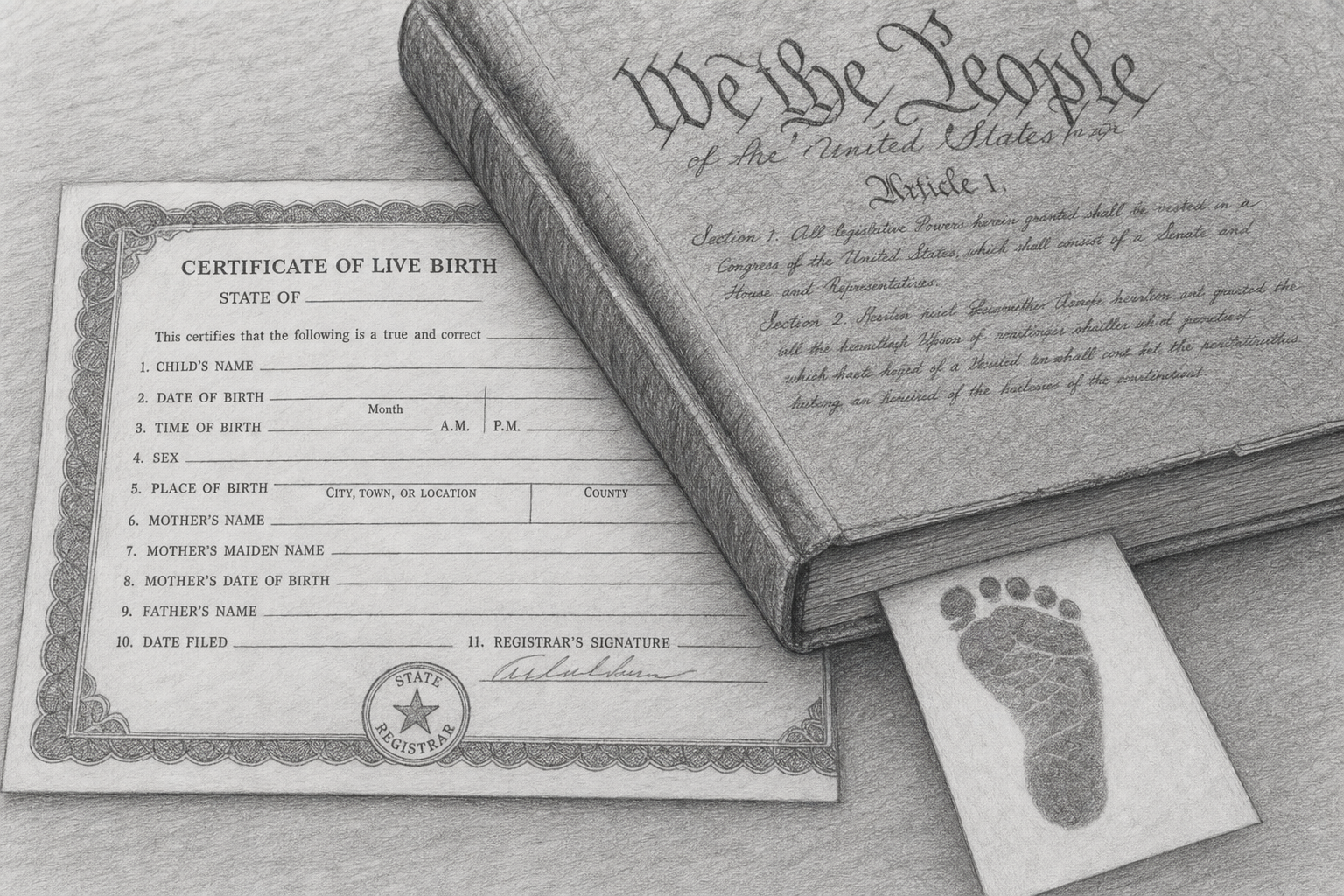
The American Civil Liberties Union (ACLU) and several other advocacy organizations asked a federal judge in Concord, New Hampshire, on Tuesday to block new executive orders issued by President Donald Trump aimed at restricting birthright citizenship. The plaintiffs contend that these recent directives unlawfully circumvent a previous Supreme Court ruling and exceed the President's executive authority under the U.S. Constitution.
"They’re buying their way in, and we’re not going to let it happen. We’re making adjustments because it’s very unfair." — President Donald Trump, White House
The legal challenge follows President Trump's signing of two executive orders on August 6, which propose a narrower interpretation of birthright citizenship. These orders were issued in response to a significant Supreme Court decision on June 30 that rejected the administration's earlier, broader attempt to deny automatic citizenship to children born in the U.S. based on their parents’ immigration status. That prior case hinged on the Citizenship Clause of the 14th Amendment, which states that "All persons born or naturalized in the United States and subject to the jurisdiction thereof, are citizens of the United States and of the State wherein they reside."
President Trump's new executive actions target specific categories of individuals. One order focuses on what the administration terms "birth tourism," a practice where foreign nationals allegedly travel to the United States primarily to give birth, thereby securing U.S. citizenship for their children. This order directs government officials to deny entry to individuals identified as seeking to enter the country for this purpose. The second order addresses other specific circumstances, including denying automatic citizenship in certain cases involving children whose parents are working for foreign governments, those involved in immigration fraud, and individuals classified as alien enemies.
At the White House signing ceremony last week, President Trump defended the new measures. "They’re buying their way in, and we’re not going to let it happen," President Trump stated, referring to birth tourism. "We’re making adjustments because it’s very unfair." The White House maintains that the new executive orders are in full compliance with the Supreme Court’s guidance from June and are designed to safeguard the integrity of the U.S. immigration system.
However, the ACLU and the co-plaintiffs strongly disagree with the administration's interpretation. In their federal court filing on Tuesday, the groups requested that the judge clarify an existing injunction or issue a new one to prevent the administration from enforcing the new directives. They argue that the President lacks the constitutional authority to unilaterally define or restrict birthright citizenship through executive action. Attorneys for the ACLU stated, "Despite the Supreme Court’s clear direction, Trump continues to claim for himself the power to identify categories of children whose citizenship he intends to deny." The plaintiffs are seeking a judicial order to ensure that the government cannot strip citizenship protections from members of the affected class through these additional executive orders.
President Trump has consistently sought to narrow the scope of birthright citizenship throughout his presidency, asserting that current policies are exploited by individuals who enter the country with the express intent of securing citizenship for their offspring. The administration has characterized birth tourism as a clear abuse of the immigration system, portraying its latest actions as a necessary step to prevent individuals from leveraging temporary admission for the sole purpose of obtaining U.S. citizenship for their children.
Conversely, opponents of the administration's stance, including the ACLU, contend that the 14th Amendment’s Citizenship Clause is unambiguous and broadly applies to most children born on U.S. soil, irrespective of their parents' immigration status. They argue that the President cannot unilaterally override this constitutional provision. The current legal challenge does not signify that President Trump's new orders have been blocked; rather, it represents the initial stage of litigation where the plaintiffs are seeking judicial intervention to prevent their enforcement. The ultimate legality and enforceability of these new restrictions are now subject to further court proceedings and a potentially protracted legal battle.

