


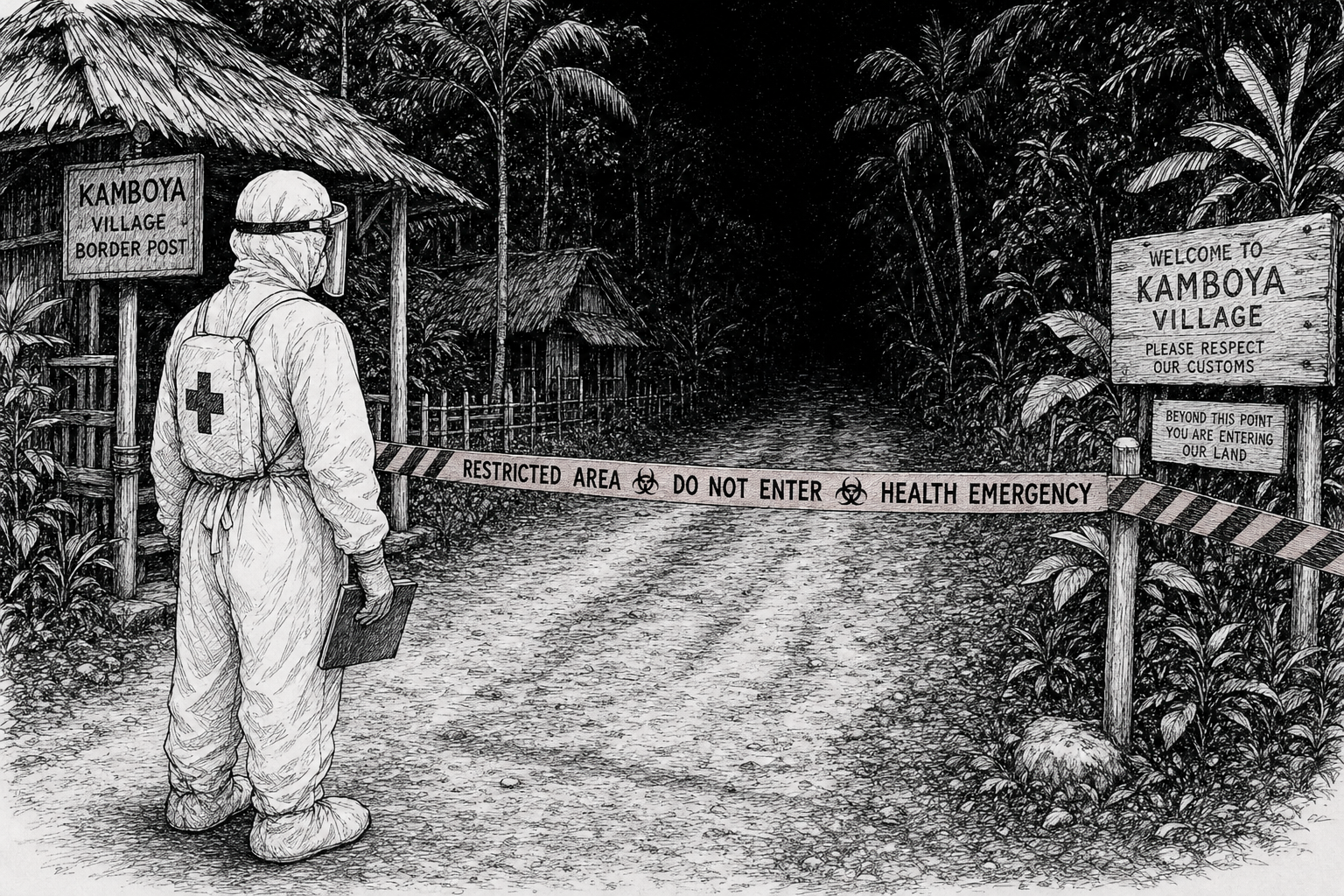
A virulent outbreak of the Bundibugyo strain of Ebola in central Africa is rapidly escalating, leading former Centers for Disease Control (CDC) Director Robert Redfield to issue a stark warning that the situation could evolve into a significant international health crisis. The outbreak, officially declared on May 15 by the Ministry of Health of the Democratic Republic of the Congo (DRC) following laboratory confirmation in Ituri Province, has already seen cases spread to neighboring Uganda.
"I suspect this is going to become a very significant pandemic, probably going to leak into Tanzania, leak into southern Sudan, maybe leak into Rwanda." — Robert Redfield, Former CDC Director
During a Thursday interview on NewsNation, Redfield characterized the outbreak as “very disruptive” and expressed concern that the virus is spreading at a pace health authorities initially underestimated. "Normally, we recognize them when we have five, 10 cases, at most," Redfield stated. "This one really wasn’t picked up until there was over 100 cases." He noted that he and other public health officials were "stunned" by the extent of the outbreak's progression before substantial containment efforts could begin.
The Bundibugyo variant, first identified in Uganda in 2007, is distinct from the more commonly known Zaire strain responsible for previous widespread Ebola outbreaks. A critical concern for health officials is the absence of an approved vaccine specifically tailored for the Bundibugyo strain, according to the World Health Organization (WHO). This lack of a targeted vaccine complicates containment and treatment strategies compared to other Ebola strains.
Redfield projected that the outbreak would likely expand beyond its current geographical confines. "I suspect this is going to become a very significant pandemic, probably going to leak into Tanzania, leak into southern Sudan, maybe leak into Rwanda," he warned, describing the situation as "a significant outbreak that’s of significant public health international concern."
Initial symptoms reported among those affected include fever, severe body pain, weakness, vomiting, and in some instances, internal and external bleeding. Ebola is transmitted through direct contact with bodily fluids from infected individuals or contaminated surfaces, presenting formidable challenges for containment in densely populated or politically unstable regions.
Health officials have highlighted multiple factors exacerbating the outbreak in eastern parts of the DRC, including ongoing violence, persistent political instability, active mining operations, and widespread population displacement. These conditions hinder effective surveillance, contact tracing, and the delivery of medical aid. Furthermore, cross-border movement has emerged as a significant concern, with Uganda already confirming two cases linked to travel from Congo, one of which resulted in a fatality.
As of May 22, official reports indicated 744 suspected cases, 83 confirmed cases, and 176 suspected deaths. The outbreak has been identified across Ituri, Nord-Kivu, and Sud-Kivu provinces within the DRC. Some independent research groups suggest that the actual number of infections could be considerably higher than official totals, attributing this discrepancy to insufficient testing and reporting infrastructure in many remote areas.
The global community's alarm has intensified following the World Health Organization's recent declaration of the situation as a Public Health Emergency of International Concern. While a worldwide pandemic has not yet been declared by health authorities, officials universally caution that the outbreak’s trajectory remains highly unpredictable. Redfield’s warning is expected to heighten global anxieties about another potential major international health crisis, coming only a few years after the COVID-19 pandemic exposed critical vulnerabilities in global disease surveillance and response mechanisms.

