

Breaking
Sponsor Advertisement
Bluetooth 'BOMB' Name Diverts Transatlantic United Flight
Image for: Bluetooth 'BOMB' Name Diverts Transatlantic United Flight

Bluetooth 'BOMB' Name Diverts Transatlantic United Flight

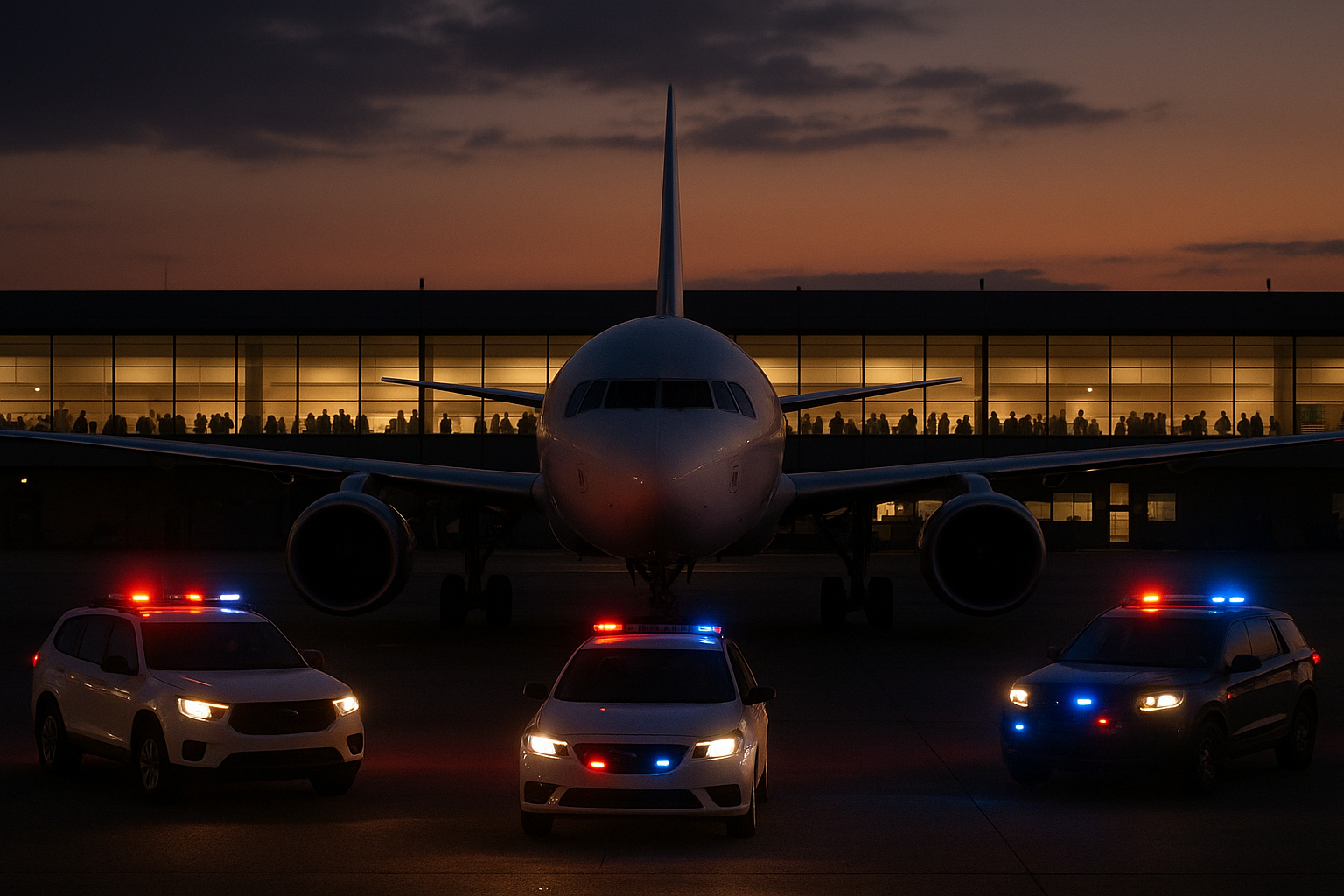
A United Airlines transatlantic flight was forced to return to Newark after a passenger discovered a Bluetooth network named "BOMB." The incident prompted a full security sweep and re-screening of all passengers and crew before the flight could depart again.
Jump to The Flipside Perspectives

A transatlantic flight carrying nearly 200 passengers never reached its European destination on schedule after a Bluetooth network broadcasting the name "BOMB" was discovered on board, prompting a full return to its origin airport. United Airlines Flight 236, a Boeing 767 with 190 passengers and 12 crew members, departed from Newark Liberty International Airport in New Jersey at 5:43 p.m. on Saturday, May 30, bound for Palma de Mallorca, Spain.

"Who tf labels their Bluetooth network ‘BOMB’ what kind of sick joke is this 😭." — Jordan Moore, Passenger

Hours into the journey, the aircraft abruptly reversed course and headed back to Newark, a diversion confirmed by flight tracking data from FlightAware. United Airlines issued an official statement attributing the unexpected turnaround to a "potential security concern."

The unfolding situation was documented by passenger Jordan Moore, who later shared her account on TikTok. Moore described the moment another passenger, during takeoff, identified an active Bluetooth network broadcasting under the name "BOMB." This discovery occurred despite an earlier public announcement from the flight crew requesting all passengers to disable their Bluetooth connections. Moore noted, "This network was discovered by a passenger during takeoff, and flight staff was notified immediately."

Following the initial report, a second announcement was made by the crew, reiterating the request for all Bluetooth devices to be shut down. However, according to Moore, the network signal persisted and remained visible. As the situation escalated, Moore wrote that "the situation was escalated up the chain of command," ultimately leading to the decision to turn the plane around and return to Newark. Crew members reportedly informed passengers that they personally suspected the network name was, in Moore's words, "a ‘selfish joke’," but emphasized that the potential threat still necessitated a full security response. Moore expressed her frustration in her post, asking, "Who tf labels their Bluetooth network ‘BOMB’ what kind of sick joke is this 😭."

Upon the aircraft's return to Newark, the Port Authority of New York and New Jersey confirmed that the plane landed without incident. Once all passengers had disembarked, Port Authority police, accompanied by K9 units, conducted a comprehensive sweep of the entire aircraft. Federal agencies were subsequently engaged in the security process. The Transportation Security Administration (TSA) and U.S. Customs and Border Protection (CBP) undertook a re-screening of every passenger, crew member, and their belongings before anyone was permitted to re-board the flight.

Following the thorough sweep and re-screening procedures, the plane was declared clear and safe for flight. FlightAware records indicate that the flight departed for a second time at 2:19 a.m. the following morning, operating with a fresh crew, as confirmed by United Airlines. The flight eventually reached its destination of Palma de Mallorca, albeit several hours behind its original schedule. The incident left passengers with a memorable and unusual story of their transatlantic journey. The event highlights the stringent security protocols in place for air travel and the serious implications of any perceived threat, regardless of its origin or intent.

Advertisement

The Flipside: Different Perspectives

Progressive View

This event, while seemingly isolated, reflects broader systemic anxieties surrounding air travel security in the post-9/11 era. The immediate and significant response to a perceived threat, even one originating from a poorly chosen Bluetooth name, illustrates the collective trauma and heightened vigilance that now characterize commercial aviation. From a progressive perspective, the incident highlights the need for clear communication, consistent protocols, and an empathetic understanding of the collective experience of passengers facing unexpected delays and security procedures. While individual actions can certainly cause disruption, the focus should also be on the systemic frameworks designed to manage such incidents safely and efficiently, ensuring equitable treatment for all affected travelers. The disruption disproportionately impacts those with tight connections, limited resources, or critical appointments, underscoring the interconnectedness of individual actions and collective well-being. This incident serves as a reminder that security measures, while necessary, must also be continually evaluated for their proportionality and human impact, seeking to balance safety with the convenience and dignity of the traveling public.

Conservative View

This incident underscores the critical importance of individual responsibility, especially in environments where public safety is paramount. The decision to label a personal device with a provocative and threatening name like "BOMB" demonstrates a profound lack of judgment and disregard for the collective well-being of fellow citizens. Such actions necessitate a robust and uncompromising security response, even if ultimately deemed a "joke." The costs associated with turning around a transatlantic flight—including fuel, crew changes, passenger re-screening, and federal agency involvement—are substantial and ultimately borne by the airline and, indirectly, by consumers and taxpayers. This situation highlights the need for strict enforcement of rules against disruptive behavior and potentially malicious acts, ensuring that those who create such disturbances face appropriate consequences. Free markets and individual liberties thrive best within a framework of order and personal accountability, where the actions of one do not unduly burden or endanger the many. The immediate and comprehensive response by authorities, while costly, was a necessary demonstration of commitment to national security and passenger confidence.

Common Ground

Across the political spectrum, there is universal agreement on the paramount importance of ensuring safety and security in air travel. Both conservative and progressive viewpoints would concur that the immediate response to a potential threat, such as a Bluetooth network named "BOMB," was a necessary and appropriate measure to safeguard the lives of all passengers and crew. There is shared recognition that disruptive or threatening behavior, intentional or not, cannot be tolerated in high-security environments like commercial flights. Furthermore, both sides would likely agree on the need for efficient and transparent communication from airlines and authorities during such incidents to keep passengers informed and minimize anxiety. Investing in robust security protocols and well-trained personnel is a bipartisan priority. The incident also offers an opportunity to discuss the balance between individual freedoms and collective safety, acknowledging that personal actions can have far-reaching consequences for the broader community.

What's your view on this story? Share your thoughts and remember to consider multiple perspectives and being respectful when forming and voicing your opinion. "If you resort to personal attacks, you have already lost the debate..."

Advertisement

Contact Us About This Article

Have a question or comment about this article? We'd love to hear from you.

About Fair Side News

At Fair Side News, we believe in presenting news with perspectives from both sides of the political spectrum. Our goal is to help readers understand different viewpoints and find common ground on important issues.