


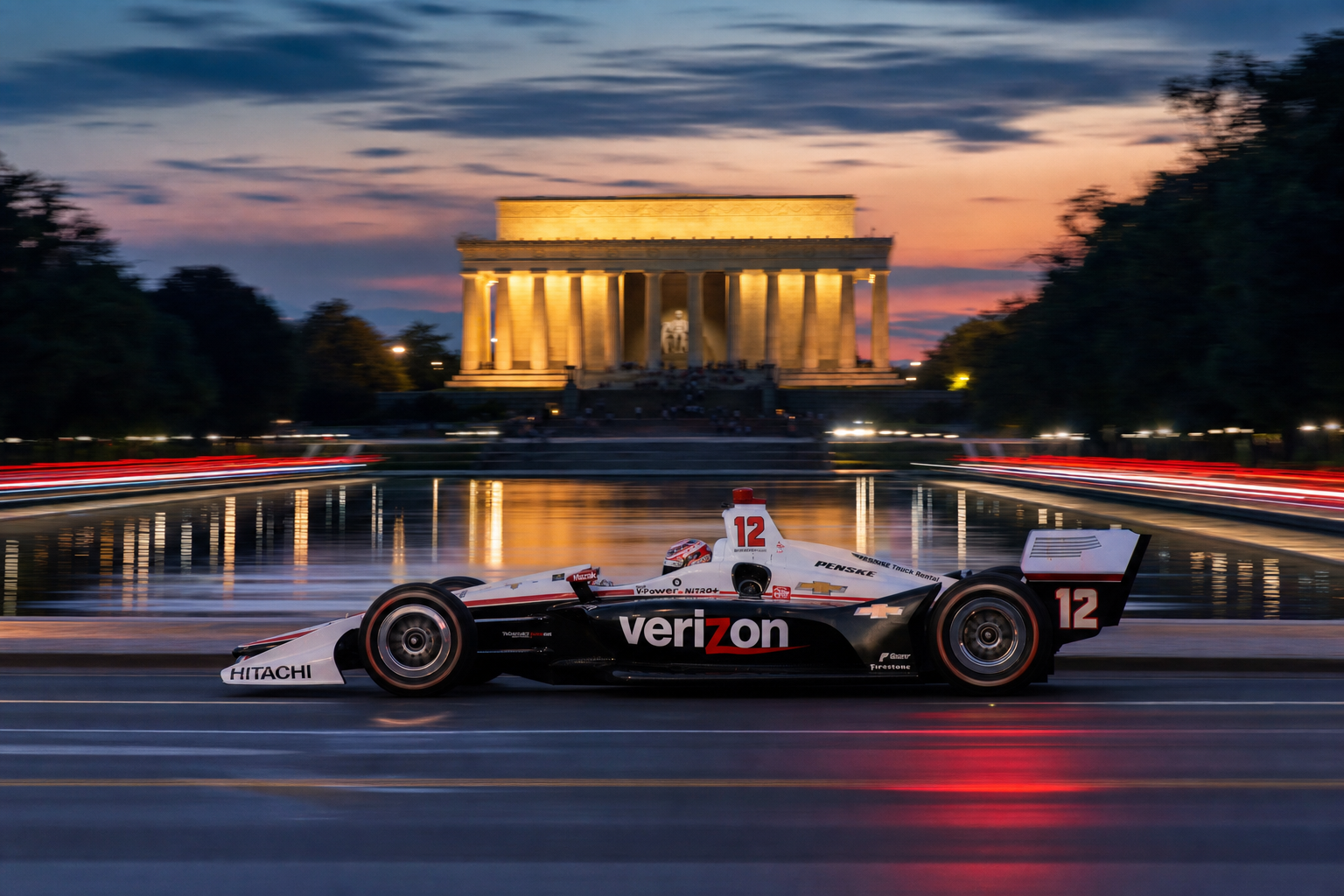
Washington, D.C., is preparing to host a historic motorsports event this weekend, the inaugural IndyCar Freedom 250 Grand Prix. The race, which will see high-speed open-wheel cars navigate a 1.66-mile course through the nation's capital, is envisioned by organizers and federal officials as an opportunity to unite Americans and showcase the city's iconic landmarks. Transportation Secretary Sean Duffy indicated his hope that the event would bring people together despite current political divisions.
"And I think if you look at the political divide in America, this is an event that brings America together." — Sean Duffy, Transportation Secretary
The first-of-its-kind IndyCar event, authorized by President Donald Trump through an executive order in January as part of celebrations for America's 250th anniversary, will feature drivers completing 147 laps for a total of 250 miles. This milestone event marks a significant departure from traditional oval track racing often associated with IndyCar, bringing the high-octane sport directly into an urban environment. President Trump is expected to make a notable appearance before Sunday's main race, taking a lap around the meticulously prepared course in the presidential limousine, widely known as "The Beast." Secretary Duffy highlighted President Trump's long-standing enthusiasm for competitive sports, stating, "The president loves sports. He’s an enthusiast, as you saw with UFC, and now with this." This presidential involvement underscores the national significance attributed to the Grand Prix.
The race route is meticulously designed to showcase some of Washington's most recognizable areas, with cars expected to reach speeds approaching 190 mph along historic Pennsylvania Avenue and through seven technically demanding turns near the National Mall. The course will navigate past prominent cultural institutions such as the National Gallery of Art and the Smithsonian National Air and Space Museum, culminating with the start-finish line strategically located near the Capitol Reflecting Pool. Initial plans for a course that would have circled the U.S. Capitol building itself were ultimately not approved, leading to the current, shifted western route which still promises a breathtaking backdrop for the competition.
Preparing the bustling streets of the nation's capital for such a high-speed, precision event required extensive logistical coordination and significant physical modifications. Engineering crews worked tirelessly to secure countless manhole covers across the entire 1.66-mile circuit and grind down various uneven portions of the roadway. These measures were critical to ensuring both driver safety at extreme speeds and optimal racing conditions, minimizing potential hazards for the powerful open-wheel machines. Secretary Duffy acknowledged the inherent challenges of transforming public thoroughfares into a professional race track, noting, "They’ve had to take grinders out to take off some of the bumps," while also suggesting that these minor imperfections contribute to the unique character and demanding nature of urban road racing. He further emphasized the immense skill required from the competitors, stating, "We’re going to have to have our drivers pay close attention, and we have some really tight turns as we navigate this course. But it is the skill of the driver that’s going to win this Sunday." Secretary Duffy also confirmed his personal involvement in the event, announcing his plan to wave the checkered flag as the race concludes, symbolizing the successful culmination of the Grand Prix.
The Freedom 250 Grand Prix was developed through a collaborative effort involving key figures from both government and the private sector. This partnership included Transportation Secretary Duffy, legendary racing businessman Roger Penske, whose organization is synonymous with American motorsports, and Penske Corporation President Bud Denker. This synergy between federal endorsement and private enterprise was crucial in bringing the ambitious project to fruition. Organizers anticipate a significant turnout, with projections suggesting as many as 140,000 spectators could attend throughout the weekend. The event offers varied viewing experiences, with portions of the course's outer perimeter providing free access for the public, while exclusive luxury suites have reportedly been offered for prices reaching up to $200,000, catering to a range of audiences.
Beyond the immediate spectacle of racing, the event is also projected to provide a substantial economic boost to Washington, D.C., particularly during a time of year when the city might typically experience a quieter tourist season. Secretary Duffy expressed strong optimism regarding the financial benefits for local businesses, remarking, "This city is going to be packed for the next three days. Hotels are going to be full, restaurants are full. It is going to be a great economic driver for Washington, DC." The overall cost of staging the event is estimated at approximately $35 million, with the majority of funding primarily sourced from Penske and other corporate sponsors, reflecting a significant private investment in a public-facing event.
Practice and qualifying sessions are scheduled for Saturday, allowing teams and drivers to acclimate to the unique street circuit and vie for pole position, building anticipation for the main event on Sunday. The Grand Prix is set to begin at 1:10 p.m. ET. President Trump's pre-race lap in "The Beast" is scheduled before the main event, offering attendees an additional highlight and a moment of national attention. "Everyone who comes will be able to see the president and the beast before they actually see the race start," Duffy confirmed, emphasizing the unique opportunity for public engagement. The event aims to transcend political divides by offering a shared national experience, leveraging the excitement and appeal of motorsports against the iconic backdrop of the nation's capital. This blend of sport, spectacle, and national celebration seeks to create a memorable occasion for all attendees and viewers.

