


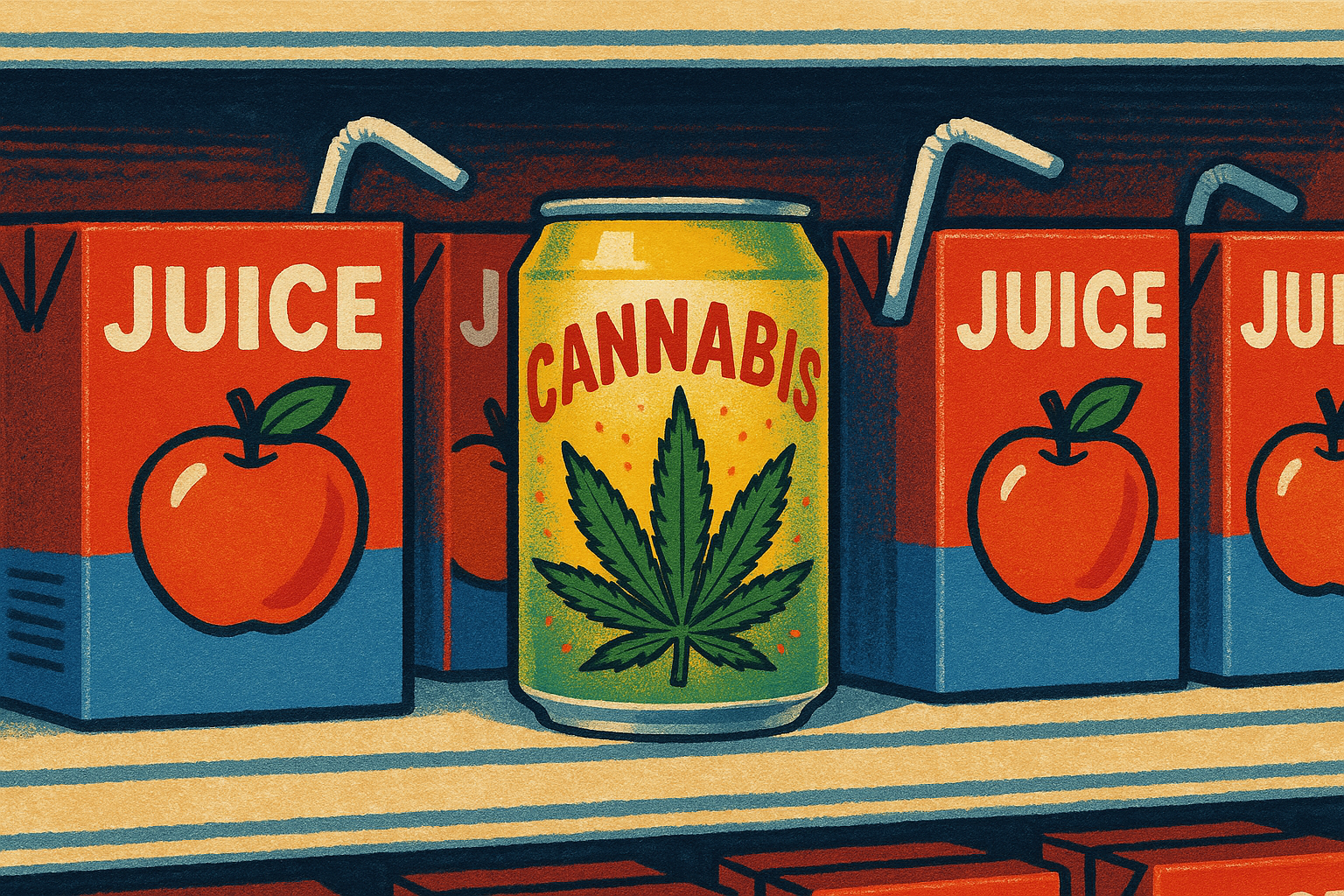
Doctors across the United States are sounding a public health alarm regarding the increasing availability of cannabis-infused beverages, which are being sold in mainstream retail environments such as grocery and convenience stores. These products, containing tetrahydrocannabinol (THC), the psychoactive compound in cannabis, are often packaged in colorful cans that closely resemble non-intoxicating soft drinks, sparkling waters, or iced teas, leading to growing concerns about accidental ingestion, particularly among children.
"We’ve been seeing a huge increase in the number of kids ingesting the THC drinks as well as other THC products now that they’re easily accessible." — Dr. Rudy Kink, Pediatric Emergency Physician at Le Bonheur Children’s Hospital
The proliferation of these THC-infused drinks has coincided with a significant increase in calls to U.S. poison centers related to cannabis exposure in minors. Researchers indicate a staggering rise of over 6,000 percent in calls concerning children younger than six between 2009 and 2024. For children aged six to twelve, the increase was even more dramatic, exceeding 13,000 percent over the same period. These figures highlight a rapidly escalating public health challenge that medical experts attribute directly to the easy accessibility and often deceptive appearance of these products.
A recent survey conducted by STAT News in New York City revealed that THC beverages were frequently displayed on shelves alongside common non-alcoholic drinks like sodas and coconut water. Furthermore, many of the stores visited reportedly failed to post adequate warning signs identifying the beverages as intoxicating. In numerous instances, cashiers did not request identification from customers purchasing these products, despite existing state regulations that restrict their sale to minors. This lack of robust age verification and clear product differentiation exacerbates the risk of accidental exposure.
Dr. Rudy Kink, a pediatric emergency physician at Le Bonheur Children’s Hospital in Memphis, Tennessee, shared his firsthand experience with the growing problem. "We’ve been seeing a huge increase in the number of kids ingesting the THC drinks as well as other THC products now that they’re easily accessible," Dr. Kink told STAT. He estimates his hospital now treats four to five pediatric cases each week involving THC beverages or other cannabis products. Patients range from toddlers drawn to colorful packaging to teenagers experimenting with cannabis, presenting with symptoms that include confusion, lethargy, vomiting, and, in severe cases, impairment requiring emergency medical attention.
Beyond accidental ingestion by children, experts also express concern that many adult consumers may not fully comprehend the labeling or appropriate dosage amounts of these products. Jessica Kruger, a health educator at the University at Buffalo specializing in cannabis use, notes that many individuals struggle to interpret cannabis labels accurately. Kruger also points out that hemp-derived THC products, often sold outside of licensed dispensaries, frequently bypass the stringent testing requirements applied to state-regulated marijuana products. This regulatory gap can leave consumers uninformed about the actual potency of the beverages or the potential presence of contaminants.
Another critical safety concern involves the rapid onset of effects from cannabis beverages. Tory Spindle, a researcher at Johns Hopkins Medicine, indicates that his studies suggest THC beverages can begin to impair users within 15 to 20 minutes. This timeframe is considerably faster than many traditional edible cannabis products, which often take an hour or more for effects to manifest. Spindle warns that this quick onset, combined with the potential for consumers to unknowingly purchase THC beverages due to unclear labeling, creates significant dangers, particularly if individuals attempt to drive shortly after consumption.
The burgeoning market for these THC-infused drinks, projected to generate approximately $1.4 billion in sales this year, largely stems from a provision within the 2018 Farm Bill. This legislation inadvertently created a loophole that legalized hemp-derived products, enabling companies to sell THC-infused beverages outside the more tightly controlled framework of many state-regulated marijuana dispensaries. However, this federal loophole is currently slated to close in November unless Congress intervenes to extend it.
While some researchers explore the potential for THC beverages to help certain adults reduce alcohol consumption, the immediate and pressing concern for physicians remains the protection of public health, especially children. Medical professionals continue to advocate for clearer labeling standards, stricter age verification protocols, and more rigorous enforcement of existing regulations to mitigate the risks of accidental exposure among children and ensure consumer safety.

