


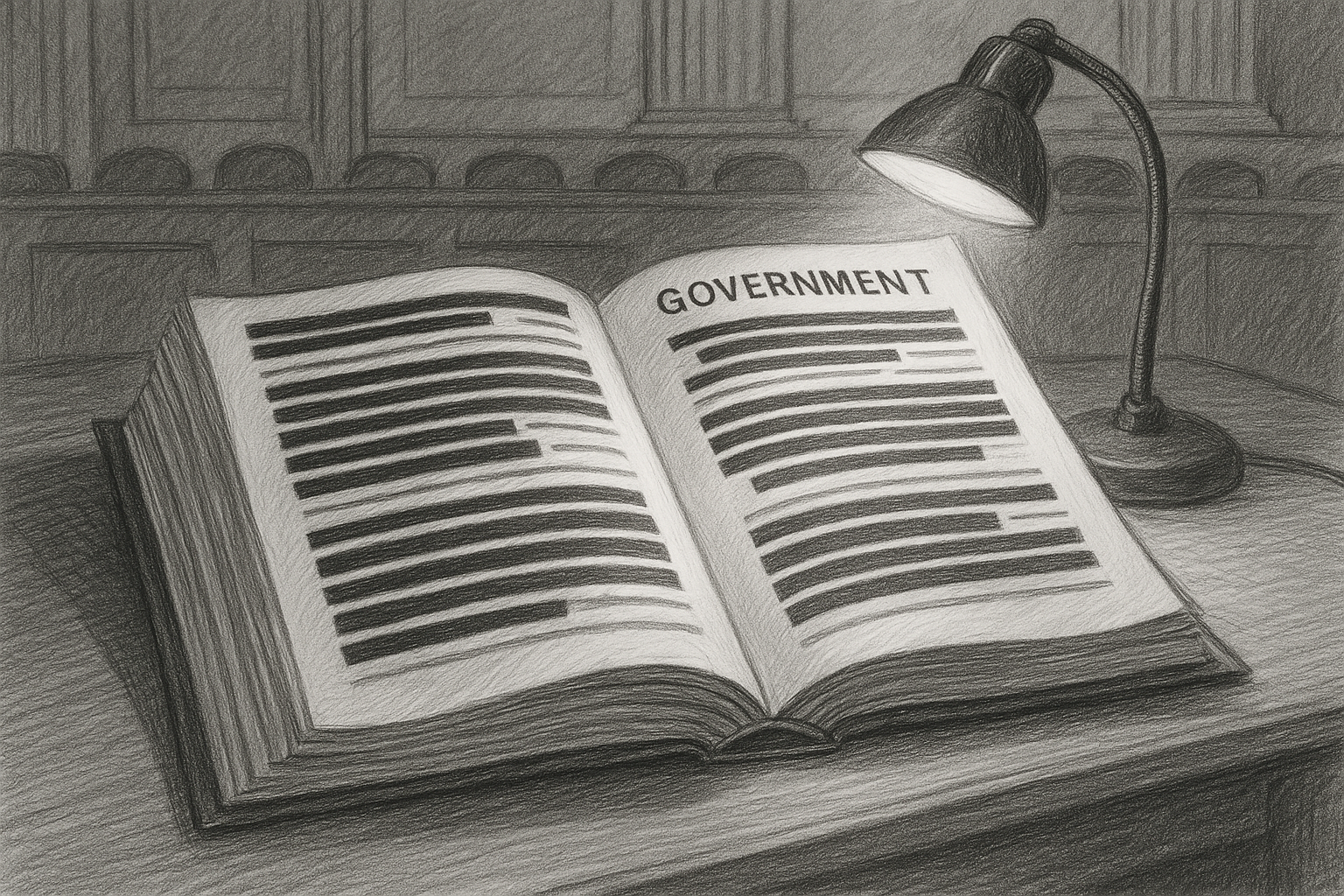
Acting Attorney General Todd Blanche engaged in a heated exchange with Representative Madeleine Dean (D-PA) during a House Appropriations Committee hearing on Tuesday, June 2, concerning the redaction of documents related to the Jeffrey Epstein investigation. The confrontation centered on allegations by Rep. Dean that the Justice Department was deliberately concealing information to protect powerful individuals, a claim Blanche firmly refuted, asserting that redactions were legally mandated to protect victims.
"Let me be crystal clear, that this Department of Justice will always, will always, protect victims and will always prosecute anybody we can. OK? Full stop. No ifs, ands, or buts." — Todd Blanche, Acting Attorney General
The hearing commenced with Rep. Dean presenting a stack of heavily redacted documents from the Epstein case, suggesting they indicated a cover-up by the Department of Justice under President Trump’s administration. Dean implied that the blacked-out sections were hiding the names of perpetrators or co-conspirators, rather than protecting victims. This line of questioning is part of a broader strategy employed by some Democrats to scrutinize the administration's handling of high-profile legal matters.
Acting Attorney General Blanche, however, directly challenged Dean's premise. He began by clearly stating the DOJ's commitment: “Let me be crystal clear, that this Department of Justice will always, will always, protect victims and will always prosecute anybody we can. OK? Full stop. No ifs, ands, or buts.” He then explained that the redactions Dean was highlighting were in fact mandated by law to protect the privacy of victims.
During the exchange, as Blanche attempted to elaborate on the legal necessity of victim redactions in prosecution memorandums, Rep. Dean interjected, stating, "Perpetrators," suggesting the redactions applied to them as well. Blanche immediately pressed her, asking, “How do you know that?” A notable silence followed, lasting approximately four seconds, during which Rep. Dean did not provide a direct, factual, or legal answer. When nudged by Blanche to "Go ahead," Dean responded, “Talk to the victims.”
Blanche continued to explain the legal framework governing such documents, emphasizing, “They’re victims’ names, which we are required to redact — required by law — to redact, which we did. So I take umbrage…” Before he could complete his statement, Rep. Dean interrupted again, shifting the discussion to procedural matters by stating, “Mr. Chairman, I realize I’m over time. Thank you for that indulgence,” and requested to enter documents into the record, which was granted. Her subsequent request to read the titles of those documents aloud was denied.
The Jeffrey Epstein saga has been a subject of intense public and congressional scrutiny for years. The financier died by suicide in August 2019 while in a federal detention facility in New York, facing federal charges of sex trafficking brought during the first Trump administration. Subsequent unsealed case documents contained allegations that implicated various public figures, though the specific details of these allegations and the identities of those involved often remain obscured by legal redactions. During the Biden administration years, the files generated relatively little Democratic urgency, a point some critics have raised given Epstein's documented connections to Democratic political figures through campaign contributions and social circles.
The Department of Justice amplified the confrontation by posting a video of the exchange on its official X account the following day, Wednesday. The accompanying text from the DOJ's Rapid Response account stated, "You’ve given us no criminal referrals for anyone identified in the files. The documents you cite were redacted to protect victims. Your hysterical outrage on this issue is manufactured and you are using victims as political pawns. Repulsive." This post underscored the department's position that Rep. Dean's questioning was performative and lacked genuine concern for the victims, while also challenging the absence of any criminal referrals from Dean's side regarding the documents she presented.
The acting Attorney General's testimony covered a wide array of Justice Department responsibilities and ongoing matters, but the direct and unyielding exchange regarding the Epstein documents captured significant attention. The confrontation highlighted the ongoing political tensions surrounding the Epstein investigation and the differing interpretations of transparency and legal obligations in such high-profile cases.

