

Breaking
Sponsor Advertisement
FBI Probes Sophisticated Agricultural Drone Theft in New Jersey
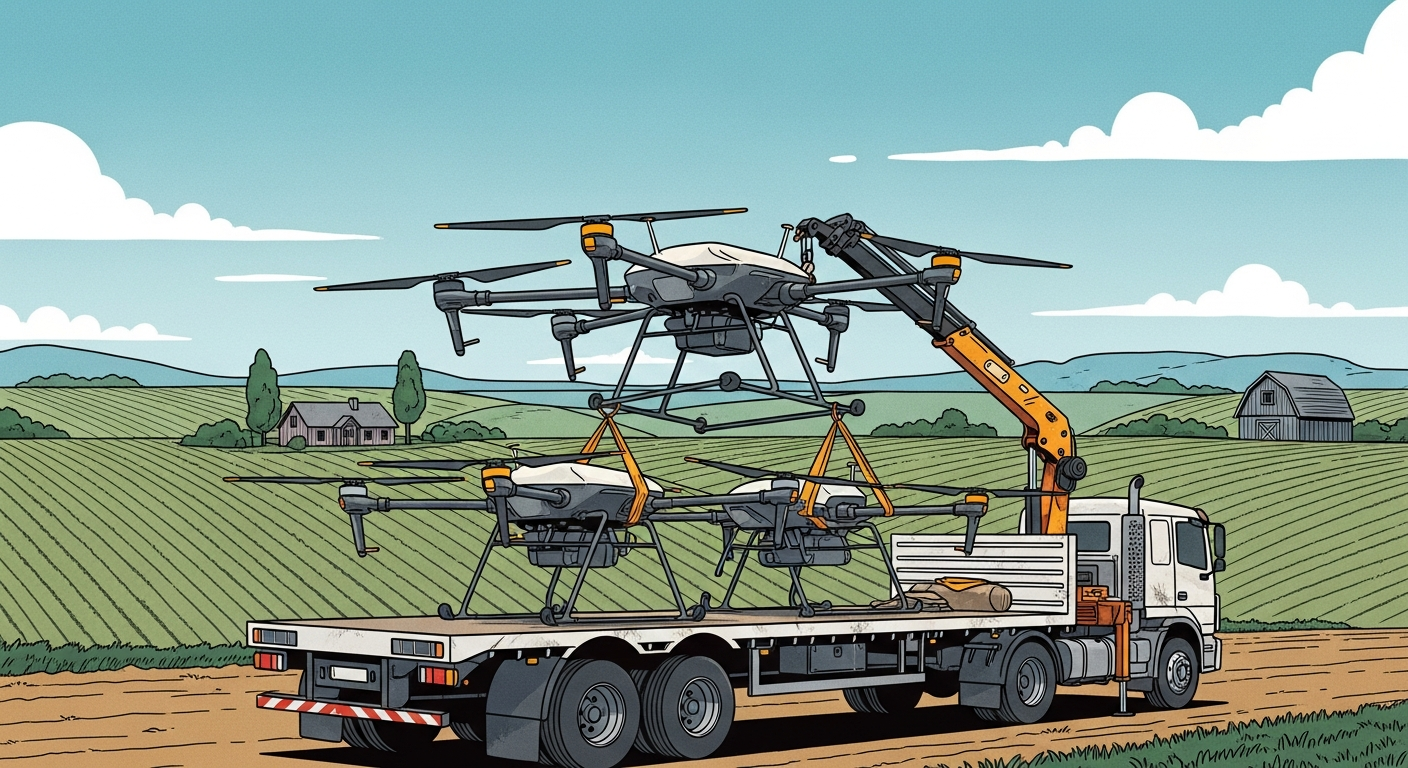
AI-generated image for: FBI Probes Sophisticated Agricultural Drone Theft in New Jersey

FBI Probes Sophisticated Agricultural Drone Theft in New Jersey

Federal investigators are probing the theft of 15 high-capacity agricultural drones from a New Jersey facility following a sophisticated cargo theft operation. Authorities are treating the incident seriously due to the drones' industrial capabilities and potential for misuse.
Jump to The Flipside Perspectives

The Federal Bureau of Investigation (FBI) has launched an urgent inquiry into the theft of 15 advanced agricultural drones from a logistics facility in Harrison, New Jersey, on March 24. The incident, described by sources as one of the most sophisticated cargo thefts in years, involved suspects using forged shipping documents to unlawfully remove the high-value equipment from CAC International.

According to reports, an individual posing as a legitimate delivery driver presented a counterfeit bill of lading and a fake confirmation email to gain possession of the shipment. The stolen equipment consists of Ceres Air C31 models, industrial-grade drones designed for large-scale agricultural applications. Each C31 unit weighs approximately 500 pounds, comparable in size to an all-terrain vehicle, and is valued between $15,000 and $58,000. This places the total estimated loss between $225,000 and $870,000, depending on the specific configurations of the stolen drones.

The capabilities of the Ceres Air C31 drones are a primary concern for investigators. These machines are engineered for precision agriculture, capable of spraying fertilizers, pesticides, and other liquid treatments over extensive farmland. Specifications indicate each drone can carry up to 40 gallons of liquid per flight and cover an area of 15 to 20 acres in approximately seven minutes, utilizing GPS-guided autonomous navigation. This combination of large payload capacity, rapid area coverage, and autonomous functionality distinguishes them significantly from recreational drones.

The New York Post reported that the FBI's involvement underscores the complexity and urgency of the investigation. A source briefed on the matter characterized the theft as extraordinarily sophisticated, highlighting a growing national trend of cargo theft involving fraudulent pickups. Criminal organizations increasingly employ tactics such as fake identities, forged dispatch records, cloned trucking credentials, or spoofed emails to intercept valuable freight before it reaches its intended destination.

Retired FBI agent Steve Lazarus emphasized the gravity of the situation, stating, "These are not hobby drones but industrial sprayers built to disperse significant amounts of liquid quickly and accurately." Lazarus warned, as reported by Trending Politics, that even common agricultural chemicals, if misused, could pose serious public safety risks. The potential for misuse extends beyond agricultural chemicals, with a 2020 U.S. Army manual referenced in the report noting that commercially available agricultural drones could potentially be adapted as platforms for chemical or biological agent delivery, given their inherent design for aerial dispersion.

As of the current publication, no arrests have been announced in connection with the theft. Neither Ceres Air, CAC International, nor the Harrison Police Department has issued public statements regarding the incident. Investigators face the complex task of determining the drones' current whereabouts, including whether they have been dismantled for parts, resold domestically or internationally, or remain intact for illicit operations.

The nature of the stolen equipment presents unique challenges for the perpetrators. These advanced machines require specialized batteries, proprietary software, transport vehicles, and trained operators to function effectively, making them considerably more difficult to conceal or liquidate than ordinary stolen goods. The ongoing investigation aims to trace these components and the individuals responsible for what authorities consider a highly organized criminal operation with potentially far-reaching implications.

Advertisement

The Flipside: Different Perspectives

Progressive View

The theft of 15 agricultural drones in New Jersey, and the FBI's subsequent investigation, illuminate serious systemic vulnerabilities that could have widespread public safety and environmental implications. From a progressive viewpoint, this incident is not merely a property crime but a potential threat to collective well-being, given the drones' capacity for rapid chemical dispersion and their potential adaptation as delivery platforms for harmful substances. This raises questions about the adequacy of security protocols within the supply chain for advanced technologies and the broader societal responsibility to mitigate such risks.

Beyond the immediate criminal act, this event calls for a deeper examination of how advanced technologies are secured and regulated to prevent misuse. The increasing sophistication of cargo theft also points to potential socioeconomic factors that might drive organized criminal activities, urging a comprehensive approach that includes not only law enforcement but also strengthening community resilience and addressing underlying disparities. Ensuring public safety and environmental protection, as well as fostering a secure technological ecosystem, requires collective action, robust regulatory frameworks, and collaborative efforts between government agencies and the private sector to prevent future "nightmare scenarios" and protect all members of society.

Conservative View

The sophisticated theft of 15 high-capacity agricultural drones from a New Jersey facility highlights critical vulnerabilities in our logistics and supply chain security, demanding robust law enforcement action. From a conservative perspective, this incident underscores the imperative for strong property rights protection and the need to deter criminal enterprises through decisive prosecution. The substantial financial loss, estimated up to $870,000, represents a direct economic blow to businesses, impacting free market operations and potentially increasing costs for consumers.

The ability of criminals to bypass security with forged documents points to a failure in enforcement and oversight that must be rectified. Limited government principles suggest that while the private sector bears primary responsibility for securing its assets, the government's role is to ensure a secure environment where commerce can thrive without fear of sophisticated theft. This includes adequately resourcing the FBI and local law enforcement to combat such complex crimes. Furthermore, the potential for these drones to be misused for nefarious purposes, as highlighted by a retired FBI agent, emphasizes the critical importance of national security and public safety, core tenets of conservative governance. Upholding law and order and ensuring accountability for such brazen acts are paramount to maintaining a stable society and a functional economy.

Common Ground

The theft of 15 industrial agricultural drones in New Jersey presents a clear area of bipartisan agreement: the need for effective law enforcement and enhanced security measures to protect critical technologies and public safety. Both conservatives and progressives can agree that sophisticated cargo theft, particularly involving equipment with potential for misuse, is a serious threat that requires a robust response. There is shared concern for the economic impact on businesses and the broader implications for national security and public well-being if such powerful tools fall into the wrong hands.

Common ground can be found in supporting federal agencies like the FBI with the resources necessary to investigate and prosecute complex criminal enterprises. Furthermore, there is likely bipartisan consensus on the importance of improving supply chain security, fostering better information sharing between the private sector and law enforcement, and developing strategies to prevent the fraudulent acquisition of valuable assets. Regardless of political leaning, protecting citizens from potential threats posed by the misuse of technology and ensuring the integrity of commercial operations are shared objectives that can unite policymakers and communities in seeking practical, solution-oriented approaches.

What's your view on this story? Share your thoughts and remember to consider multiple perspectives and being respectful when forming and voicing your opinion. "If you resort to personal attacks, you have already lost the debate..."

Advertisement

Contact Us About This Article

Have a question or comment about this article? We'd love to hear from you.

About Fair Side News

At Fair Side News, we believe in presenting news with perspectives from both sides of the political spectrum. Our goal is to help readers understand different viewpoints and find common ground on important issues.