


Federal authorities have announced the disruption of a significant drug trafficking network, headquartered in an Oklahoma City office park but with operations stretching across several U.S. states and even international borders. The investigation, which has resulted in charges against 18 individuals for conspiracy to commit a felony, heavily leveraged digital footprints, including publicly available rap videos and encrypted communications, to identify suspects and map the organization's structure.
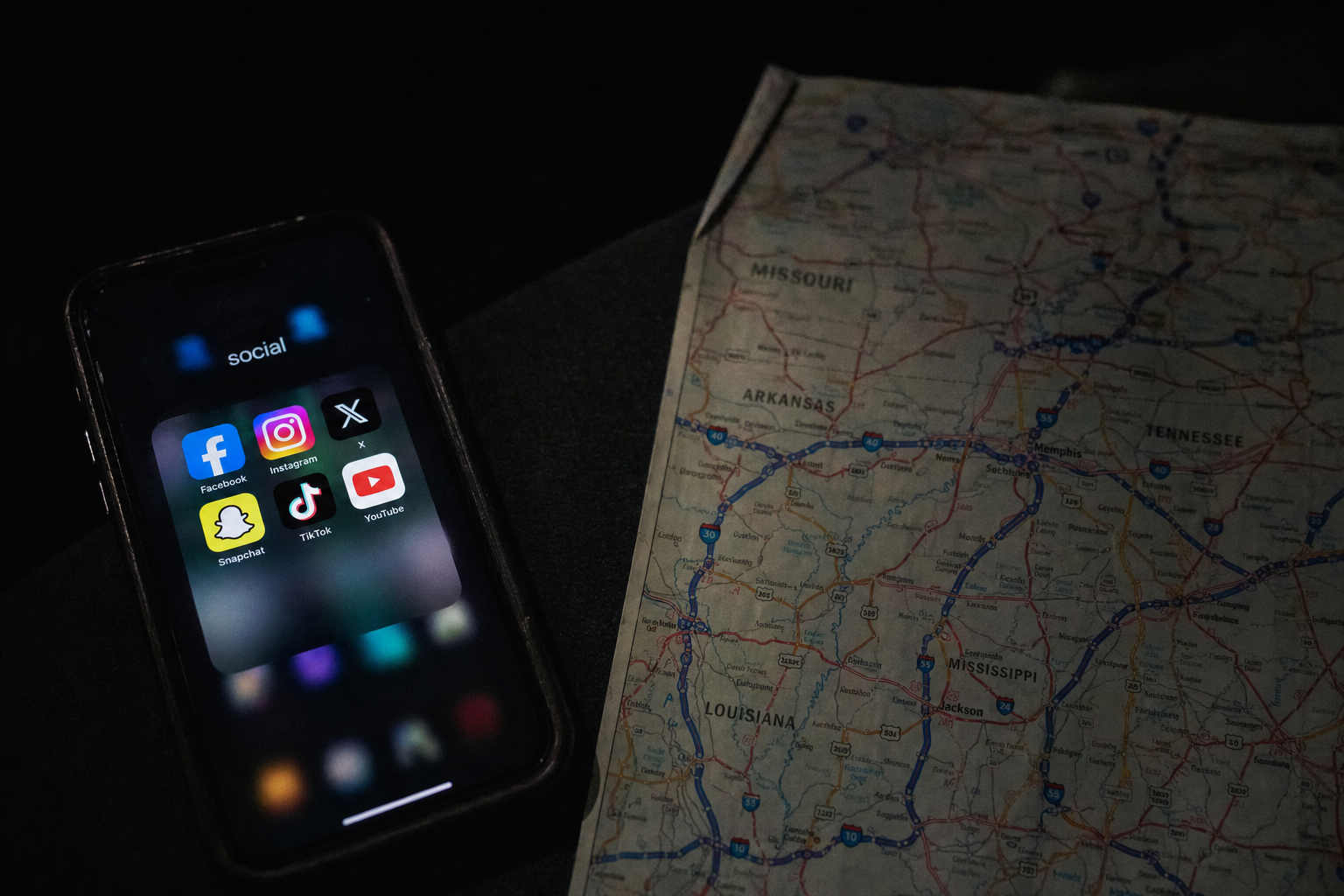
Court documents allege that the extensive operation was led by Randall McCain and utilized a range of digital platforms, notably Snapchat, Instagram, Signal, and other encrypted messaging applications. Prosecutors contend these tools were instrumental in coordinating the distribution of narcotics and facilitating communication across various regions, all while attempting to evade law enforcement detection. The network's reach extended significantly beyond Oklahoma, with alleged connections in California, Texas, Illinois, Arkansas, and Florida. Furthermore, court filings, as reported by KFOR, suggest the organization maintained international ties, reaching Spain and the United Kingdom.
As the federal probe intensified, investigators reportedly reviewed publicly accessible music videos posted online by several suspects, including McCain. These videos, according to court records, were believed to reflect activities already under surveillance and offered additional insights into the alleged hierarchy and operational methods of the organization. Prosecutors assert that the content from these videos was meticulously analyzed in conjunction with other digital evidence collected throughout the investigation.
Authorities allege that the lyrics and imagery within these music videos not only mirrored the group’s alleged criminal conduct but also helped to document aspects of its internal operations. Investigators maintain that this material was consistent with intelligence gathered through traditional surveillance methods and communications monitoring conducted over the course of the investigation. Specific lyrics cited in court documents illustrate the nature of the evidence. One such lyric states, "The feds tryna watch me but they couldn’t, I was swapping whips." Prosecutors interpret this statement as a direct reference to changing vehicles in an effort to elude law enforcement surveillance.
Further lyrics highlighted in the court filings allegedly include references to being on the road with "200 bows" and pricing at approximately "$3,500 per pound." Prosecutors contend this language is consistent with large-scale marijuana trafficking activities. Another lyric reportedly referenced criminal activity taking place at a family member’s residence, further implicating individuals and locations.
Investigators emphasized that the music videos were part of a broader strategy to connect individuals linked to the alleged conspiracy. Prosecutors argue that this digital content served to reinforce and corroborate information obtained from surveillance operations and electronic communications, thereby strengthening the comprehensive case file built against the organization.
To date, law enforcement has identified more than 40 individuals allegedly connected to the conspiracy, with 18 already facing charges. Authorities have not yet indicated whether additional arrests or charges are anticipated as the investigation remains ongoing. This case highlights the growing significance of digital evidence, including social media activity, encrypted communications, and publicly available online content, in contemporary criminal investigations. Prosecutors underscored that evidence amassed from various digital platforms was crucial in linking suspects and establishing the full scope of the alleged multi-jurisdictional operation.

