

Breaking
Fair Side News (formerly BalancedRight News), was created to help readers move b… | ● BREAKING Beyond the Library and the Boardroom: Celebrating the Illustrious, Multi-Talented Life of Anthony Stewart Head | Newsom Proposes 100% Tax on Trump Anti-Weaponization Fund | Senators Block Election Security Amendment in Immigration Bill | SPLC Accused of Funding KKK Members in Federal Indictment | Albanian Protests Erupt Over Kushner-Linked Resort Deal | NIH Researchers Charged in Alleged Monkeypox Smuggling Scheme | Trump Alleges Cheating in California Primary Vote Count | Google Seeks EPA Permit for Mosquito Release in California, Florida | Federal Agents Uncover $45M Cocaine Tunnel Under US-Mexico Border | Missing Los Alamos Lab Worker Found Deceased | Fair Side News (formerly BalancedRight News), was created to help readers move b… | ● BREAKING Beyond the Library and the Boardroom: Celebrating the Illustrious, Multi-Talented Life of Anthony Stewart Head | Newsom Proposes 100% Tax on Trump Anti-Weaponization Fund | Senators Block Election Security Amendment in Immigration Bill | SPLC Accused of Funding KKK Members in Federal Indictment | Albanian Protests Erupt Over Kushner-Linked Resort Deal | NIH Researchers Charged in Alleged Monkeypox Smuggling Scheme | Trump Alleges Cheating in California Primary Vote Count | Google Seeks EPA Permit for Mosquito Release in California, Florida | Federal Agents Uncover $45M Cocaine Tunnel Under US-Mexico Border | Missing Los Alamos Lab Worker Found Deceased |
Sponsor Advertisement
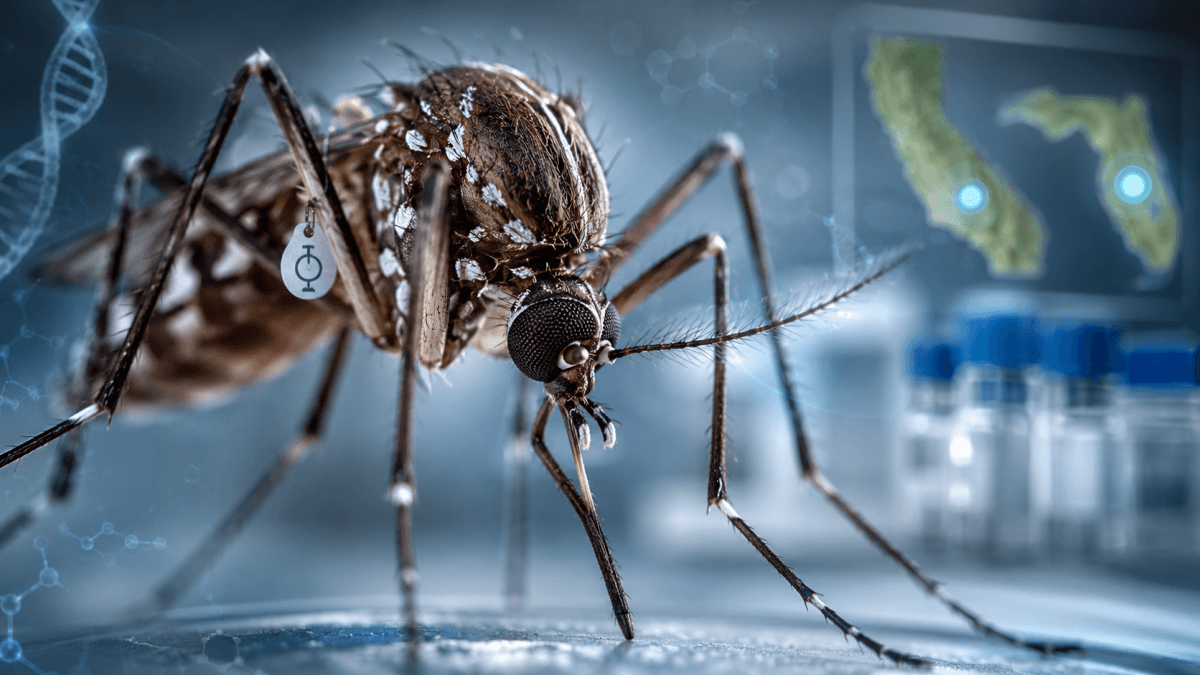
Google Seeks EPA Permit for Mosquito Release in California, Florida
Image for: Google Seeks EPA Permit for Mosquito Release in California, Florida

Google Seeks EPA Permit for Mosquito Release in California, Florida

Google is seeking federal authorization from the U.S. Environmental Protection Agency to release specially bred male mosquitoes in parts of California and Florida. This initiative, part of its Debug program, aims to control mosquito populations using biotechnology to prevent disease transmission.
Jump to The Flipside Perspectives

Google's "Debug" program is seeking an experimental use permit from the U.S. Environmental Protection Agency (EPA) to release millions of specially bred male mosquitoes in select areas of California and Florida. The initiative aims to suppress populations of mosquitoes that transmit diseases such as dengue, Zika, West Nile virus, chikungunya, and malaria, according to filings currently under review by the EPA. A public comment period is open until June 5, before the agency makes a final decision on the permit application.

"The program is designed to scale mosquito control technologies globally. He pointed to outcomes in Singapore as an example of how data-driven biological interventions could be applied in regions where mosquito-borne diseases remain a persistent public health challenge." — Linus Upson, Head of Google’s Debug Initiative

The proposed two-year experimental program involves staged releases of male mosquitoes, which do not bite humans or transmit diseases. These mosquitoes carry a naturally occurring bacterium called Wolbachia. When Wolbachia-carrying males mate with wild female mosquitoes, the resulting eggs are unable to develop properly, leading to a reduction in the mosquito population over time. This method is based on the sterile insect technique, a biological pest-control strategy that has been utilized for decades to manage various insect populations without relying on chemical pesticides.

Traditional mosquito control methods, such as widespread spraying and habitat reduction, face increasing limitations. Google has indicated that these challenges include the development of pesticide resistance in mosquito populations, various environmental constraints, and the inherent difficulty of completely eliminating all mosquito breeding sites. The Debug initiative, as referenced in company materials and reporting by outlets like Cyber News, focuses on population suppression techniques rather than treatment-based approaches for mosquito-borne illnesses.

The EPA is evaluating Google's application under its experimental use permit framework, which requires a thorough review of potential ecological and public health impacts. Documents cited by FOX 13 indicate that the program would involve phased mosquito releases, with deployment levels contingent on regulatory approval and environmental assessments. The agency's review process is designed to ensure that any proposed biological intervention meets stringent safety and efficacy standards before broader implementation.

Google has previously conducted trials of its Debug program in Singapore. Following controlled releases of Wolbachia-infected mosquitoes there, local environmental authorities reported significant reductions in mosquito populations and a decrease in dengue transmission rates. Linus Upson, head of Google’s Debug initiative, has cited these outcomes as evidence of the program's potential effectiveness, stating that the technology is designed to scale globally to address persistent public health challenges posed by mosquito-borne diseases.

Researchers and public health experts generally describe Wolbachia-based suppression and sterile insect technique programs as established methods within mosquito control research and field trials. These biological approaches are often considered viable alternatives or complements to chemical pesticide-based strategies, particularly in regions where chemical resistance has diminished the effectiveness of traditional methods, as reported by WCNC.

The current proposal underscores a growing trend towards biotechnological solutions in public health and pest management. While the method has a scientific basis and prior successful trials, the scale of the proposed release in California and Florida, potentially involving millions of insects, necessitates rigorous regulatory oversight and public discourse. The EPA’s ongoing review and the public comment period serve as critical steps in assessing the full scope of potential benefits and risks before any final authorization is granted for this large-scale biological experiment in American communities. A final determination on whether to approve the experimental use permit has not yet been announced, and no specific deployment timeline has been confirmed pending regulatory review.

Advertisement

The Flipside: Different Perspectives

Progressive View

The Google Debug initiative, aiming to control mosquito populations through advanced biotechnology, represents a potentially significant advancement in public health, particularly for vulnerable communities disproportionately affected by mosquito-borne diseases. From a progressive perspective, this effort aligns directly with the goal of collective well-being, social justice, and addressing systemic health disparities. Diseases like dengue, Zika, and malaria disproportionately impact lower-income populations, communities of color, and regions with inadequate public health infrastructure, making innovative, scalable solutions crucial for achieving health equity.

The use of Wolbachia-infected male mosquitoes offers a non-chemical, precision-based alternative to traditional pesticides, which can have adverse environmental impacts, harm beneficial insects, and contribute to the development of pesticide resistance. This approach reflects a commitment to sustainable, ecologically conscious solutions that protect both human health and biodiversity. While caution and rigorous scientific scrutiny are always warranted with new technologies, the established scientific basis of the sterile insect technique, coupled with successful pilot trials in Singapore, suggests a promising and responsible path forward. The EPA's thorough review process and the provision for public comment are vital for ensuring transparency, fostering inclusive stakeholder engagement, and rigorously assessing all potential impacts, thereby upholding the public trust and ensuring equitable access to effective disease prevention. This initiative underscores the importance of leveraging technological innovation for the benefit of all, especially those most at risk from preventable diseases.

Conservative View

The proposal by Google to release specially bred mosquitoes, even for public health purposes, raises fundamental questions about the scope of government oversight and the potential for unintended consequences in complex ecosystems. While the stated goal of reducing mosquito-borne diseases is laudable, conservative principles emphasize caution regarding large-scale biological interventions, particularly those involving federal approval for widespread release. The free market typically drives innovation, but when a tech giant seeks government permits for a biological experiment of this magnitude, it highlights the need for stringent regulatory review that prioritizes individual liberty, property rights, and environmental stewardship.

Concerns may arise regarding the long-term ecological impact of altering natural populations, even if the immediate effects appear beneficial. A limited government approach would advocate for minimal intervention in natural systems unless there is overwhelming, undeniable evidence of safety and efficacy, coupled with transparent public accountability. Taxpayers and property owners in affected areas should have a clear and significant voice in such decisions, ensuring that private enterprise, even with good intentions, does not inadvertently impose unquantified risks or burdens on communities without their full, informed consent and understanding. The EPA's role should be strictly confined to scientific assessment and ensuring no undue burden or risk is placed on citizens or the environment, carefully avoiding any mission creep into broad social engineering or unchecked biological experimentation.

Common Ground

Despite differing approaches to government intervention and environmental management, both conservative and progressive viewpoints can find common ground in the Google Debug initiative's overarching goal: protecting public health. There is universal agreement on the need to mitigate the spread of debilitating mosquito-borne diseases like dengue, Zika, and West Nile virus, which pose threats to communities across the nation. Both sides can appreciate the scientific innovation behind the Wolbachia method as a potentially more targeted and environmentally conscious alternative to broad-spectrum chemical pesticides, which can have unintended consequences for ecosystems.

Furthermore, the emphasis on robust scientific review by the EPA and the provision for public comment are areas of shared value. Conservatives can support strict regulatory oversight to ensure accountability and prevent overreach, while progressives advocate for transparency and community engagement in decisions affecting public health and the environment. Both perspectives would agree on the importance of data-driven decision-making, drawing from successful pilot programs like those in Singapore. The shared objective remains to safeguard citizens from disease, ensuring that any large-scale biological intervention is thoroughly vetted for safety, efficacy, and long-term impact on both human well-being and ecological balance.

What's your view on this story? Share your thoughts and remember to consider multiple perspectives and being respectful when forming and voicing your opinion. "If you resort to personal attacks, you have already lost the debate..."

Advertisement

Contact Us About This Article

Have a question or comment about this article? We'd love to hear from you.

About Fair Side News

At Fair Side News, we believe in presenting news with perspectives from both sides of the political spectrum. Our goal is to help readers understand different viewpoints and find common ground on important issues.