


The Department of Health and Human Services (HHS) introduced a sweeping overhaul of America's food oversight system on Monday, as Secretary Robert F. Kennedy Jr. rolled out twin regulatory actions designed to address hidden ingredients and ambiguous labeling practices. The announcement marks a significant step in fulfilling a two-year pledge made by the administration of President Donald Trump and Secretary Kennedy to reshape federal nutrition policy.
"Almost exactly two years later, we’re here celebrating the most transformative 18 months of food reform in modern American history.”" — Robert F. Kennedy Jr., Secretary of Health and Human Services
Speaking before reporters, Secretary Kennedy emphasized the significance of the moment, stating, "Almost exactly two years later, we’re here celebrating the most transformative 18 months of food reform in modern American history.” He then detailed the administration's commitment, telling the audience they were “taking two more historic steps to deliver on that promise that we made two years ago.” These actions aim to fundamentally alter how the federal government monitors the food supply and how Americans understand their dietary choices.
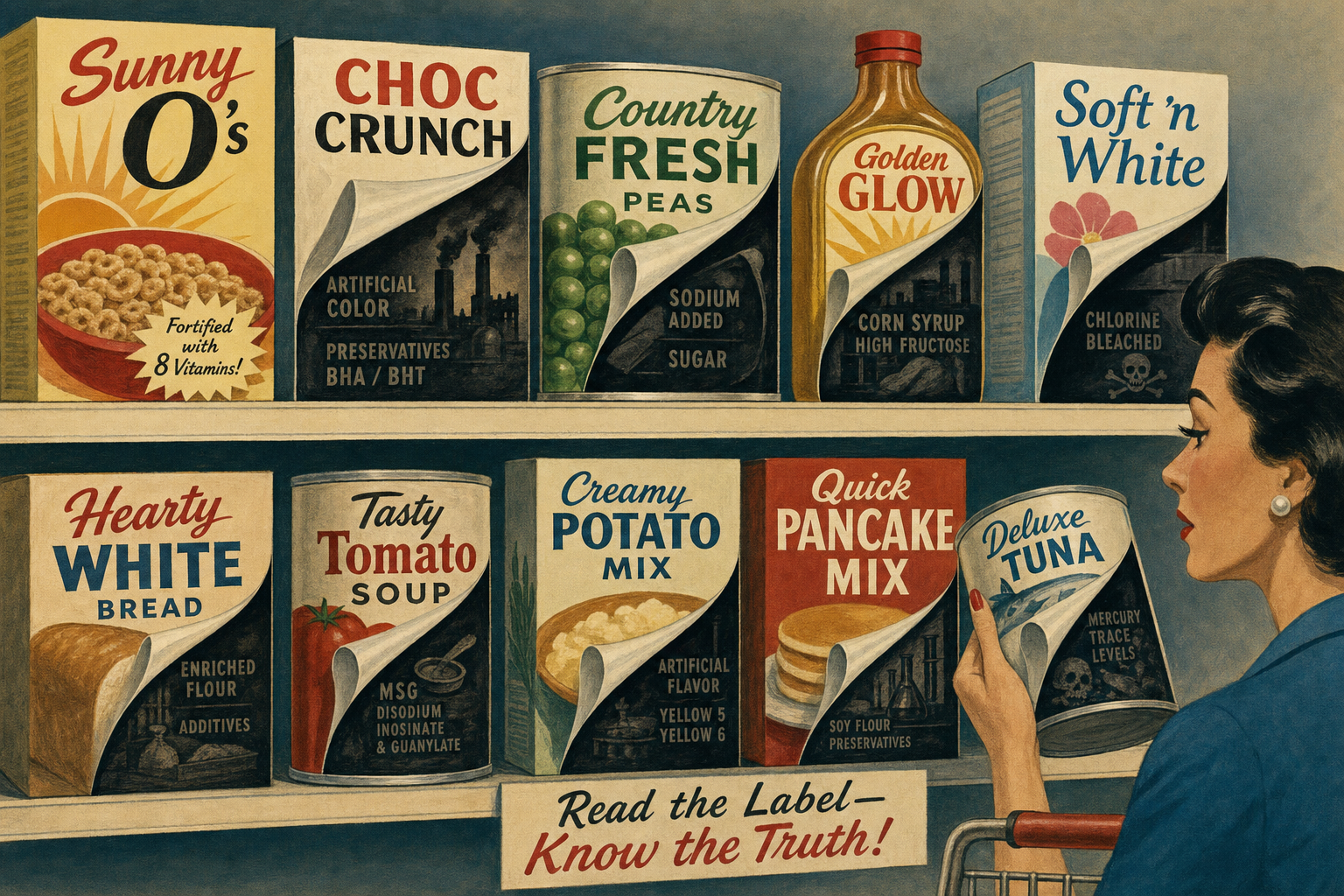
At the core of the first reform is a decades-old regulatory gap known as GRAS, or "Generally Recognized As Safe." Since 1958, food manufacturers have been permitted to privately determine that an ingredient is safe for consumption without any mandatory notification to federal regulators. This self-certification process has operated largely on an honor system, with the Food and Drug Administration (FDA) offering voluntary disclosure programs that companies were not legally required to participate in. Critics have long argued that this system lacks transparency and could allow potentially harmful substances into the food supply without adequate government oversight.
Secretary Kennedy's proposed rule seeks to close this loophole entirely. The new regulation would transform the once-optional notification into a legal requirement for any manufacturer introducing new substances into human or animal food. Explaining the rationale behind this shift, Kennedy stated, “We’re proposing a rule that would end the practice of companies making GRAS determinations without notifying the FDA, the proposal will give the agency greater visibility into the substances that are entering our food supply.” HHS officials anticipate that this change would also facilitate the growth of a searchable public database of ingredient notices, providing outside researchers and consumers with unprecedented insight into additives that were previously undisclosed. This increased transparency is expected to empower both regulatory bodies and the public to make more informed decisions about food safety.
The second reform addresses a term that has become increasingly prevalent in nutrition science but has lacked an official government definition: "ultra-processed food." HHS and the U.S. Department of Agriculture (USDA) jointly submitted a formal federal definition for final review, a milestone Secretary Kennedy attributed to a close collaborative relationship with Agriculture Secretary Brooke Rollins. Kennedy elaborated on this joint effort, saying, “Second, alongside my friend and colleague, Agricultural Secretary Brooke Rollins, we submitted for final review the federal government’s first definition of ultra-processed foods.” This official definition is expected to provide a consistent framework for research, public health initiatives, and consumer education regarding these types of foods.
Secretary Kennedy argued that these twin measures carry consequences far beyond mere regulatory paperwork. He contended that they would “change how the federal government oversees what’s in our food and how we understand the foods that Americans eat.” To underscore the urgency of these reforms, Kennedy presented statistics revealing the pervasive presence of processed foods in the American diet, particularly among younger demographics. He noted, “Nearly 60 percent of American diet is made up of ultra-processed foods. For our kids, it can be up to 70 percent.”
The Secretary directly linked these dietary figures to a broader national health crisis, citing alarming childhood and adult obesity statistics that he believes demand immediate attention. “Obesity now affects more than one in five American children. More than 70 percent of American adults are obese or overweight,” Kennedy reported. He described the far-reaching impact of this crisis, stating plainly, “The costs are spiritual, physical, and financial.” Despite the nation's substantial healthcare expenditures, Kennedy asserted that the return on this investment has been insufficient, leading to America being, in his words, "the world’s sickest country."
Drilling into the allocation of health dollars, Kennedy highlighted, “Ninety percent of those expenditures are for people with chronic disease and mental health conditions.” He drew a direct correlation between these illnesses and diet, adding, “Many of them food-induced. We cannot spend our way out of a chronic disease epidemic while ignoring the things that are making Americans sick.” Kennedy elevated food policy to a paramount position among tools for reversing these trends, calling it the "most powerful weapon that we have in our arsenal to change the trajectory of the chronic disease epidemic.” He also criticized the complexity of current food labels, advocating for greater clarity for everyday shoppers. “Parents should not need a chemistry degree to understand what their children are eating,” Kennedy insisted. He concluded his remarks with a direct appeal to the public, asserting, “Americans deserve real transparency. They deserve real food.”
Both proposals now enter the federal rulemaking pipeline, a process that typically includes a public comment period, allowing stakeholders and the general public to provide feedback before any rule becomes final. Neither HHS nor the Agriculture Department has yet released a specific timeline for when the mandatory GRAS notification rule or the official ultra-processed food definition would take full legal effect. This announcement builds on a series of food-policy actions championed by Secretary Kennedy since he took office, forming part of a broader campaign initiated by him and President Trump two years ago to reshape the nation's nutrition policy landscape.

