


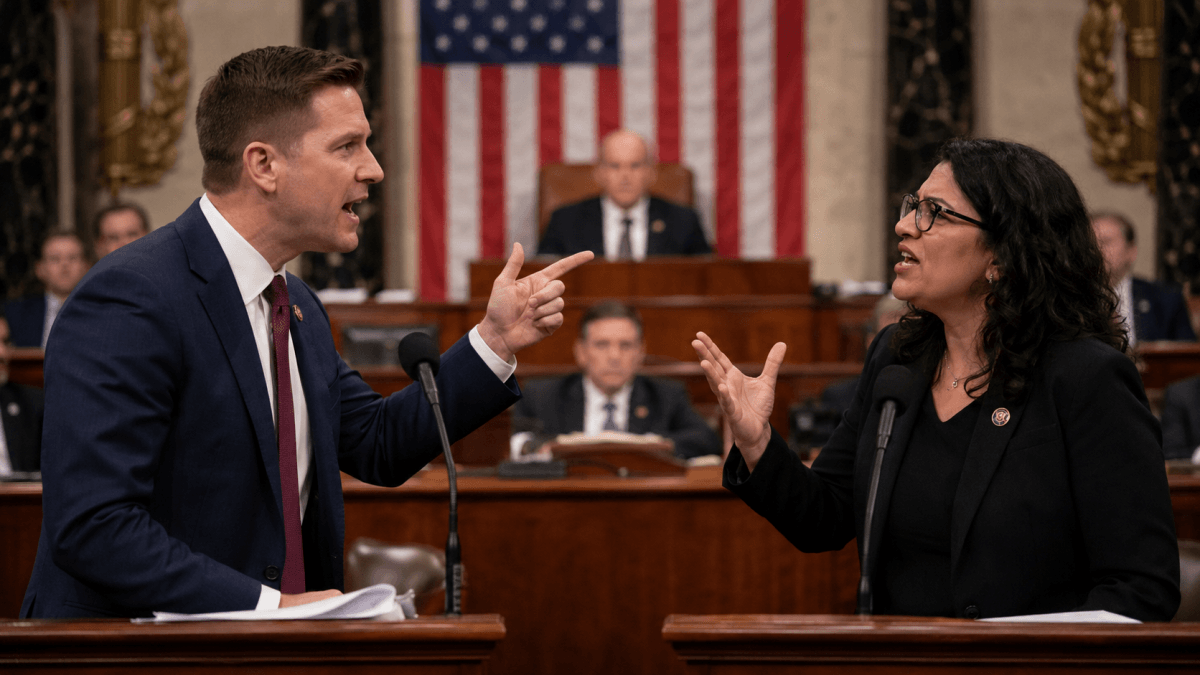
The U.S. House of Representatives descended into a contentious floor dispute on Wednesday after Representative Max Miller (R-OH) accused Representative Rashida Tlaib (D-MI) of associating with terrorist organizations. The confrontation occurred during a debate on a resolution sponsored by Tlaib, which proposed directing President Donald Trump to withdraw American military personnel from Lebanon. The incident brought House proceedings to a halt for over an hour, highlighting deep divisions within Congress regarding U.S. foreign policy in the Middle East.
"Yes, I said it. I own it, and I stand by it." — Rep. Max Miller (R-OH), via Rep. Brian Mast (R-FL)
Representative Tlaib's resolution sought to reduce the United States' military footprint in Lebanon, arguing that U.S. forces should not be involved in supporting military operations connected to the ongoing conflict between Israel and various armed groups operating within Lebanon. This stance has been a consistent theme for Tlaib, who has frequently voiced concerns about American military entanglements in the region.
However, the resolution faced immediate criticism from Republican lawmakers, who argued that it failed to adequately address the threat posed by Hezbollah, the Iran-backed group that the United States officially designates as a foreign terrorist organization. Republicans expressed concerns that withdrawing U.S. forces could embolden Hezbollah and undermine regional stability, as American forces stationed in Lebanon are seen by some as vital for protecting U.S. diplomatic personnel and supporting the Lebanese Armed Forces in their efforts to counter Hezbollah’s influence.
During the floor debate, Representative Miller sharply criticized Tlaib's proposal and made a direct accusation regarding her associations. "Hezbollah is a terrorist organization … and its members are butchers that you like to hang out with to a certain extent," Miller stated during his remarks. This comment immediately drew a strong reaction from Representative Tlaib, who was present on the House floor and began shouting objections. She argued that Miller's accusation constituted a personal attack on her character and demanded that the remarks be ruled out of order. "That is an attack on my character," Tlaib asserted as she sought intervention from the presiding officer.
The ensuing procedural clash brought legislative business to a standstill. Representative Jay Obernolte, who was presiding over the House at the time, was tasked with determining whether Miller's comments violated chamber rules that prohibit personal attacks against fellow members. After an extended period of deliberation and debate among lawmakers on parliamentary procedure, Obernolte ultimately ruled that Miller's comments were indeed out of order and should be removed from the Congressional Record. Consequently, Miller's remarks were formally stricken, and he was barred from speaking on the House floor for the remainder of the legislative day, a standard penalty for such violations.
Despite the ruling, the controversy did not abate. Later in the debate, Representative Brian Mast (R-FL), who chairs the House Foreign Affairs Committee, attempted to read a statement on Miller's behalf. According to Mast, Miller stood by his original comments despite the official reprimand. Mast relayed Miller's position, stating, "Yes, I said it. I own it, and I stand by it." Mast further sought to introduce additional materials into the Congressional Record, which he claimed were related to allegations involving Tlaib’s past activities and associations. However, Tlaib objected to the unanimous consent request, preventing those documents from being officially entered into the record.
This heated exchange underscored the persistent and often acrimonious divisions within Congress over critical aspects of U.S. policy in the Middle East. Debates surrounding the role of American military forces, support for allies like Israel, and strategies for confronting groups like Hezbollah continue to be highly charged. While supporters of Tlaib's resolution advocate for a more restrained U.S. military posture and reduced intervention in regional conflicts, many lawmakers from both parties have expressed reservations about withdrawing U.S. forces from the strategically vital region. The resolution itself is anticipated to encounter significant opposition in the House.
Even with the formal removal of Miller’s comments from the official record, the incident highlighted the increasingly intense political battles that characterize discussions on Middle East policy, the deployment of U.S. military personnel, and the complex dynamics surrounding support for Israel and its adversaries. The clash reflects a broader struggle over the direction of American foreign policy and the acceptable boundaries of political discourse within the legislative body.

