


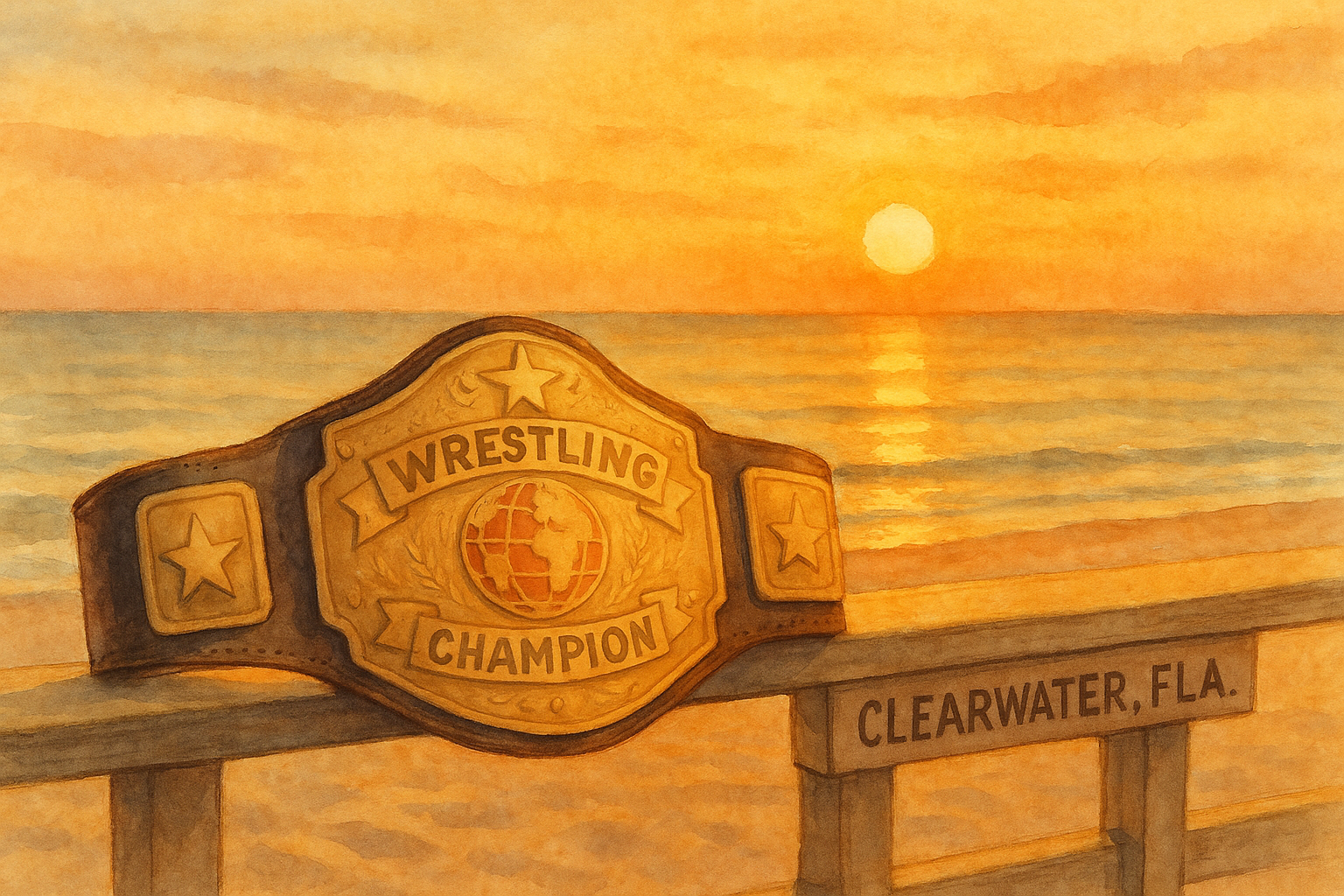
Clearwater, Florida – Professional wrestling icon and actor Terry Gene Bollea, widely known as Hulk Hogan, died of natural causes on July 24, 2025, Florida authorities announced Friday. The Clearwater Police Department officially closed its nearly year-long investigation into the circumstances surrounding Hogan’s death, confirming that no evidence of foul play or criminal wrongdoing was found. Hogan was 71 years old when he suffered a medical emergency at his Clearwater residence.
"Following an exhaustive review of the statements, medical records, surveillance footage from within the residence, and a visual inspection of Mr. Bollea’s body, there has been no evidence to indicate the death of Terry Bollea was anything other than natural." — Investigators, Clearwater Police Department report.
The extensive investigation by the Clearwater Police Department culminated in a 72-page report detailing the findings. Detectives meticulously reviewed a range of evidence, including witness statements from individuals present at the time, Hogan’s comprehensive medical records, and surveillance footage from inside his home. A thorough visual inspection of Mr. Bollea’s body was also conducted as part of the investigative process. These steps were taken to ensure a complete understanding of the events leading to his passing.
Clearwater police and emergency personnel initially responded to Hogan’s home following a call reporting cardiac arrest. He received immediate treatment from Clearwater Fire & Rescue personnel before being transported to a local hospital, where he was pronounced dead later that morning. The official conclusion that his death was due to natural causes brings a definitive end to the public inquiry.
The investigative report specifically stated, "Following an exhaustive review of the statements, medical records, surveillance footage from within the residence, and a visual inspection of Mr. Bollea’s body, there has been no evidence to indicate the death of Terry Bollea was anything other than natural." This finding directly addresses initial concerns and speculation that had emerged in the wake of his death. Authorities further clarified that no evidence suggesting criminal activity or suspicious circumstances contributed to Hogan's passing was uncovered during the exhaustive review.
Among the individuals interviewed during the investigation was Justin McCamey, Hogan’s occupational therapist, who had worked with the wrestling legend for approximately two weeks prior to his death. McCamey initially raised concerns, speculating that Hogan might have suffered complications from a prior medical procedure, specifically suggesting that a surgeon could have damaged his phrenic nerve. This nerve is crucial for controlling diaphragm function and plays a vital role in breathing. However, investigators noted that McCamey later clarified his initial statements, acknowledging that he was not a medical specialist in that particular field and had been making assumptions based on information he had heard rather than personal medical knowledge or direct medical expertise.
The report also mentioned that Hogan’s family had previously taken steps to preserve the option of pursuing a medical malpractice review. They filed a legal petition to extend the statute of limitations, indicating their desire to explore all avenues for understanding the cause of death. Despite this, the police investigation itself did not uncover any evidence that would support criminal charges related to medical negligence or any other criminal act. The Clearwater Police Department commended Hogan’s family for their cooperation throughout the challenging investigation, noting that "Their willingness to allow our investigators access to very personal information, at a time when they were grieving and struggling, was extremely helpful."
Hogan's death followed years of significant health challenges, a reality well-documented by his friends and associates. Decades of professional wrestling had taken a severe physical toll on his body, leading to numerous medical interventions. The wrestling icon had publicly discussed undergoing more than two dozen surgeries over the course of a decade, including multiple procedures on his neck and back, according to reports from the Daily Mail. These long-term health issues provide important context to the natural causes conclusion.
Beyond his in-ring career, Hulk Hogan transcended professional wrestling to become one of the most recognizable figures in American popular culture. He played a pivotal role in transforming WWE (then WWF) into a global entertainment brand during the 1980s, ushering in the era known as "Hulkamania," one of the most successful periods in professional wrestling history. A six-time WWE champion and a Hall of Fame inductee, Hogan headlined numerous WrestleMania events and faced some of the sport’s biggest stars, including Andre the Giant, Randy Savage, and The Rock, cementing his legacy as a cultural icon.
With the investigation now officially closed, authorities state that there are no remaining questions regarding the cause of death. This definitive conclusion brings finality to what had been one of the most closely watched celebrity death investigations of the past year.

