

Breaking
Sponsor Advertisement
Journalist Attacked in Ceuta Amidst Migrant Surge
Image for: Journalist Attacked in Ceuta Amidst Migrant Surge

Journalist Attacked in Ceuta Amidst Migrant Surge

Independent journalist Nick Shirley was physically assaulted while documenting a significant migrant surge in Ceuta, a Spanish enclave on the African coast. The incident occurred amidst diplomatic tensions and heightened scrutiny of European border enforcement.
Jump to The Flipside Perspectives

Ceuta, a small strip of Spanish territory nestled on the African coast, erupted into violence this week as independent journalist Nick Shirley was physically assaulted while filming the ongoing migrant crisis. Shirley, known for his on-the-ground reporting in contentious immigration flashpoints, became the target of a crowd while documenting the scene in the enclave, which is situated along Morocco’s northern shoreline but governed by Madrid. The incident, captured on video and widely circulated, occurred as local officials struggled to contain a massive wave of migrants.

The video, posted by commentator Mike Cernovich, quickly gained traction across social media platforms. Conservative commentators highlighted the footage, framing it as a stark warning for journalists covering the unfolding crisis. As of this report, no law enforcement agency has released charging details connected to the attack on Shirley, and the individuals involved remain officially unidentified.

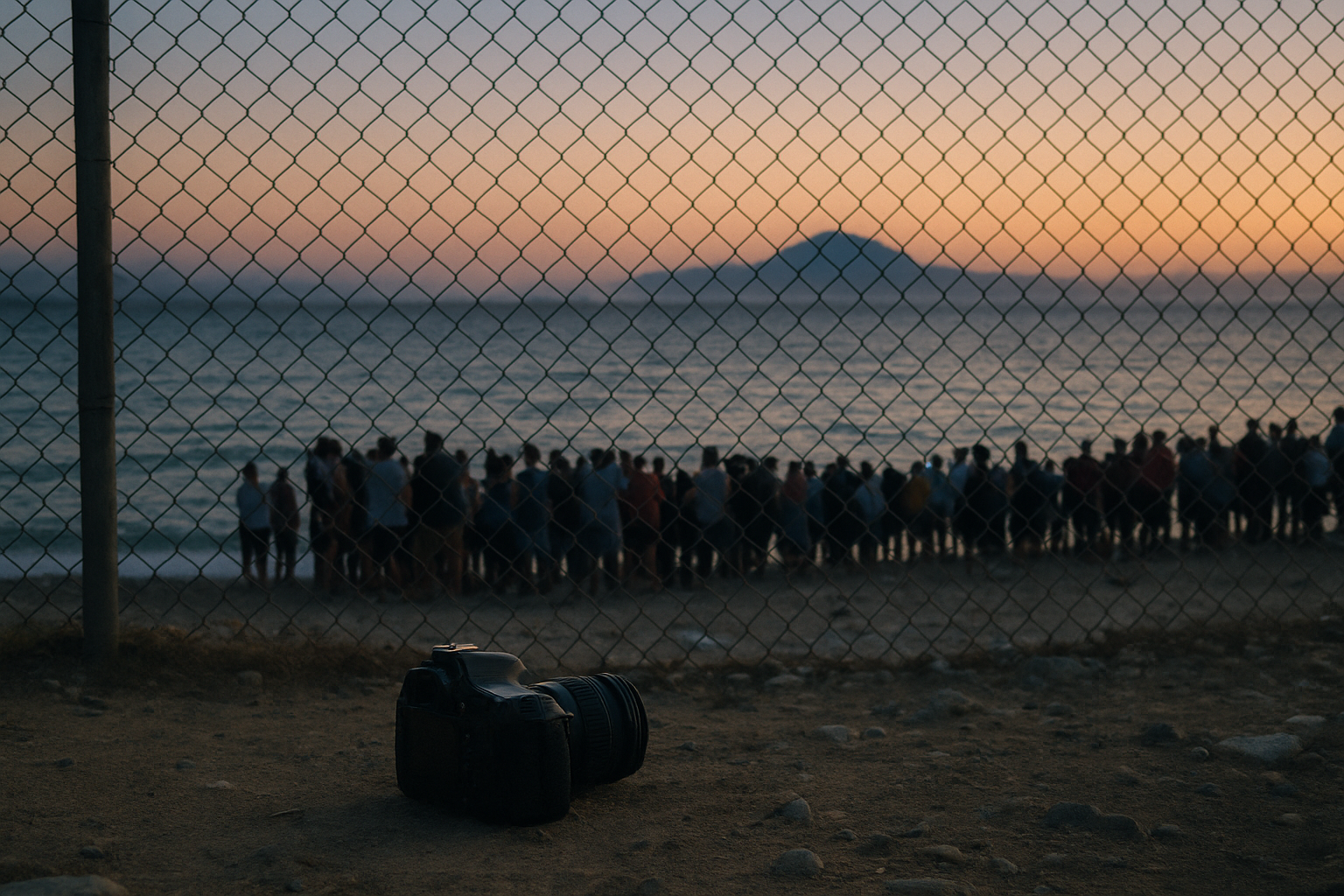
Ceuta's unique geography makes it a perpetual flashpoint for migration. As a European foothold directly on African soil, separated from Morocco by little more than fencing and patrol routes, it serves as a primary magnet for migrants attempting to reach European Union territory. The latest surge has pushed the territory's local resources past their breaking point, exacerbating existing challenges. Reuters confirmed on Monday that hundreds of migrants continue to be camped along a Ceuta beach, with authorities still working to manage the extensive fallout from the crossings that began days prior.

The scale and suddenness of the recent migration event have reignited long-simmering criticism regarding how European governments manage border enforcement, particularly at their most exposed frontier points. The incident in Ceuta has sharpened public doubts about the resilience of European border systems when confronted with sudden, large-scale migration events.

Shirley has built his reputation by immersing himself in precisely these kinds of high-pressure locations. His reporting style favors direct, on-the-ground documentation, often eschewing reliance on official briefings or filtered narratives. This approach has positioned him as a polarizing figure: he is frequently praised by conservative audiences for providing an unfiltered perspective on migration issues, while simultaneously drawing sustained criticism from left-leaning media figures who question his methods or framing.

The assault on Shirley unfolded against a backdrop of escalating diplomatic friction between Spanish and Moroccan officials. Both governments are facing intense demands to explain how such a large-scale crossing was permitted to occur. Rabat has publicly affirmed its commitment to collaborating with international partners to crack down on irregular migration routes and dismantle human trafficking operations. Despite these assurances, the chaotic scenes broadcast from Ceuta this week have underscored the profound challenges in controlling such volatile borders.

The ongoing situation in Ceuta highlights the complexities of international migration, national sovereignty, and the safety of journalists reporting from dangerous zones. The lack of identified assailants and the continued presence of migrants underscore the persistent difficulties authorities face in maintaining order and security in such sensitive areas. As international attention remains fixed on Ceuta, the incident serves as a stark reminder of the risks faced by those who seek to document these critical global events firsthand.

Advertisement

The Flipside: Different Perspectives

Progressive View

The assault on Nick Shirley in Ceuta, while deplorable, must be understood within the broader context of a severe humanitarian crisis driven by systemic inequalities and the desperate plight of migrants. From a progressive viewpoint, the incident is a tragic symptom of a broken global migration system that prioritizes border militarization over human dignity and safety. The migrants converging on Ceuta are often fleeing poverty, conflict, and instability, seeking basic human rights and a chance at a better life, and their desperation can unfortunately lead to volatile situations.

Progressives argue that the focus should shift from solely "border enforcement" to addressing the root causes of migration, such as economic disparities, climate change, and political instability in migrants' home countries. The current approach, characterized by fences and patrols, often funnels vulnerable individuals into dangerous routes, making them susceptible to exploitation and creating unsustainable pressures on transit countries. The attack on Shirley, while unacceptable, highlights the volatile conditions that arise when large groups of desperate people are contained without adequate humanitarian support or clear pathways for asylum.

The international community, including Spain and Morocco, has a collective responsibility to uphold human rights, provide safe and legal pathways for asylum seekers, and ensure humane conditions for all individuals, regardless of their migratory status. The incident should serve as a call to action for comprehensive, empathetic policies that prioritize collective well-being, foster international cooperation, and protect the fundamental rights and safety of everyone, including journalists, in these complex environments.

Conservative View

The attack on journalist Nick Shirley in Ceuta underscores the critical need for robust border security and the preservation of national sovereignty. From a conservative perspective, the uncontrolled influx of migrants into Spanish territory highlights a failure of effective border enforcement, which inevitably leads to instability and potential threats to public safety. The incident demonstrates the consequences of porous borders, not only for the host nation but also for individuals, including journalists, who are caught in the ensuing chaos.

Conservatives emphasize that national borders are fundamental to maintaining law and order, protecting citizens, and preserving national identity. The inability of European authorities to contain the surge in Ceuta is seen as a dangerous precedent, suggesting that lax immigration policies can embolden those who disregard legal entry processes. This situation further strains public resources and creates an environment where violence and lawlessness can proliferate. The protection of a journalist, an American citizen, abroad is paramount, and the failure to prevent such an assault reflects poorly on the security measures in place.

Furthermore, the episode calls into question the accountability of governments, both Spain and Morocco, in managing their shared frontier. While humanitarian concerns are acknowledged, they must be balanced with the imperative to control who enters a nation’s territory and under what conditions. The focus should be on upholding the rule of law, ensuring secure borders, and holding foreign governments responsible for cooperation in preventing illegal crossings, thereby safeguarding national interests and ensuring the safety of all within a sovereign state.

Common Ground

Despite differing perspectives on migration policy, there are clear areas of common ground regarding the situation in Ceuta. Both conservative and progressive viewpoints agree on the fundamental importance of ensuring the safety of journalists reporting from dangerous zones. An attack on any journalist, regardless of their reporting style or political leanings, is an affront to press freedom and a threat to transparent information gathering, which is vital for informed public discourse.

Furthermore, there is shared recognition of the need for orderly and managed migration processes. While approaches may differ, both sides acknowledge that uncontrolled, large-scale movements of people pose significant challenges for infrastructure, social services, and public safety. There is also agreement on the importance of combating human trafficking and organized crime networks that exploit vulnerable migrants, a goal that requires robust international cooperation and intelligence sharing.

Finally, both perspectives can converge on the need for diplomatic engagement and stability in regions that serve as migration flashpoints. Supporting economic development and stability in North African nations, for instance, could reduce the pressures that compel individuals to undertake perilous journeys. Practical solutions could involve investing in joint security initiatives, enhancing humanitarian aid for those genuinely in need, and fostering dialogue between nations like Spain and Morocco to manage shared border challenges more effectively and humanely, ensuring security without compromising dignity.

What's your view on this story? Share your thoughts and remember to consider multiple perspectives and being respectful when forming and voicing your opinion. "If you resort to personal attacks, you have already lost the debate..."

Advertisement

Contact Us About This Article

Have a question or comment about this article? We'd love to hear from you.

About Fair Side News

At Fair Side News, we believe in presenting news with perspectives from both sides of the political spectrum. Our goal is to help readers understand different viewpoints and find common ground on important issues.