


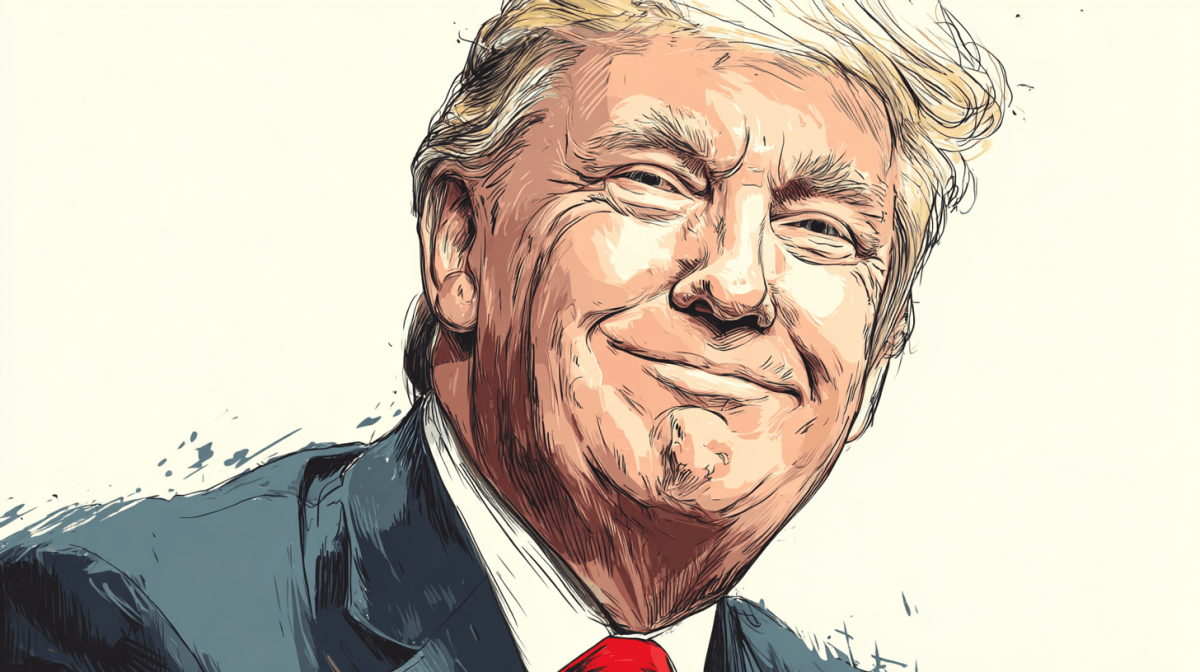
U.S. District Judge Carl Nichols, a Trump appointee, recently denied a request from Democratic-led plaintiffs and voting rights organizations to block President Donald Trump’s executive order aimed at tightening mail-in voting procedures. The decision, handed down in federal court, allows the executive order to remain in effect for the time being, even as multiple lawsuits challenging its legality continue to move through the judicial system.
Judge Nichols concluded that the plaintiffs, at this stage of the proceedings, had not demonstrated the immediate and concrete harm required to justify a preliminary injunction. In his written opinion, Nichols emphasized that the executive order has not yet been fully implemented by federal agencies, leading many of the claims raised by challengers to be premature. He clarified that speculative future effects are not sufficient to meet the legal threshold for emergency relief, according to documents obtained by Just the News. The judge noted that if federal agencies later take specific actions under the order that result in measurable consequences, those actions could still be challenged in court at that time.
The executive order, signed by President Trump on March 31, directs several federal agencies, including the Department of Homeland Security (DHS) and the Social Security Administration (SSA), to compile lists intended to verify the citizenship status of adult U.S. residents. It further instructs the U.S. Postal Service (USPS) to develop supporting eligibility data and to coordinate the delivery of mail-in ballots based on federal records.
This policy has prompted a wave of legal challenges from nearly two dozen states, alongside Democratic officials and various voting rights groups. Plaintiffs argue that the U.S. Constitution assigns authority over federal election rules primarily to Congress and state legislatures under Article I, rather than to the executive branch. They also contend that the Postal Service cannot legally be directed to make determinations tied to voter eligibility, as reported by Reuters.
Conversely, the Trump administration has defended the order as a crucial measure to strengthen election integrity and prevent noncitizen participation in federal elections. Administration officials have stated that federal agencies are still actively working on how to implement the order’s directives while litigation is ongoing, and that implementation will proceed in coordination with legal review, VPM reported.
Much of the court’s reasoning in denying the injunction centered on the legal principle of standing—specifically, whether the plaintiffs could demonstrate harm that was both real and immediate. Judge Nichols determined that many of the concerns raised, such as potential inaccuracies in federal citizenship databases or privacy issues stemming from data sharing between agencies, were not sufficiently concrete at this juncture to warrant blocking the order. He also addressed arguments regarding potential violations of privacy rights through interagency sharing of basic identifying information, stating that such concerns remain hypothetical unless and until specific implementation measures are taken that directly affect individuals.
The ruling represents an early procedural victory for the Trump administration, allowing the executive order to remain partially in effect. However, it does not resolve the fundamental legal disputes regarding the scope of presidential authority in election administration, particularly concerning mail-in voting systems that are already widely used across multiple states in ongoing election cycles. Additional cases challenging the policy are still progressing in other federal courts, including proceedings in Massachusetts, where further rulings are anticipated in the coming weeks. The ultimate legality of the executive order and its implications for election administration remain subject to ongoing judicial review.

