

Breaking
Sponsor Advertisement
LA Mayoral Candidate Scrutinized Over Staged Homeless Encampment
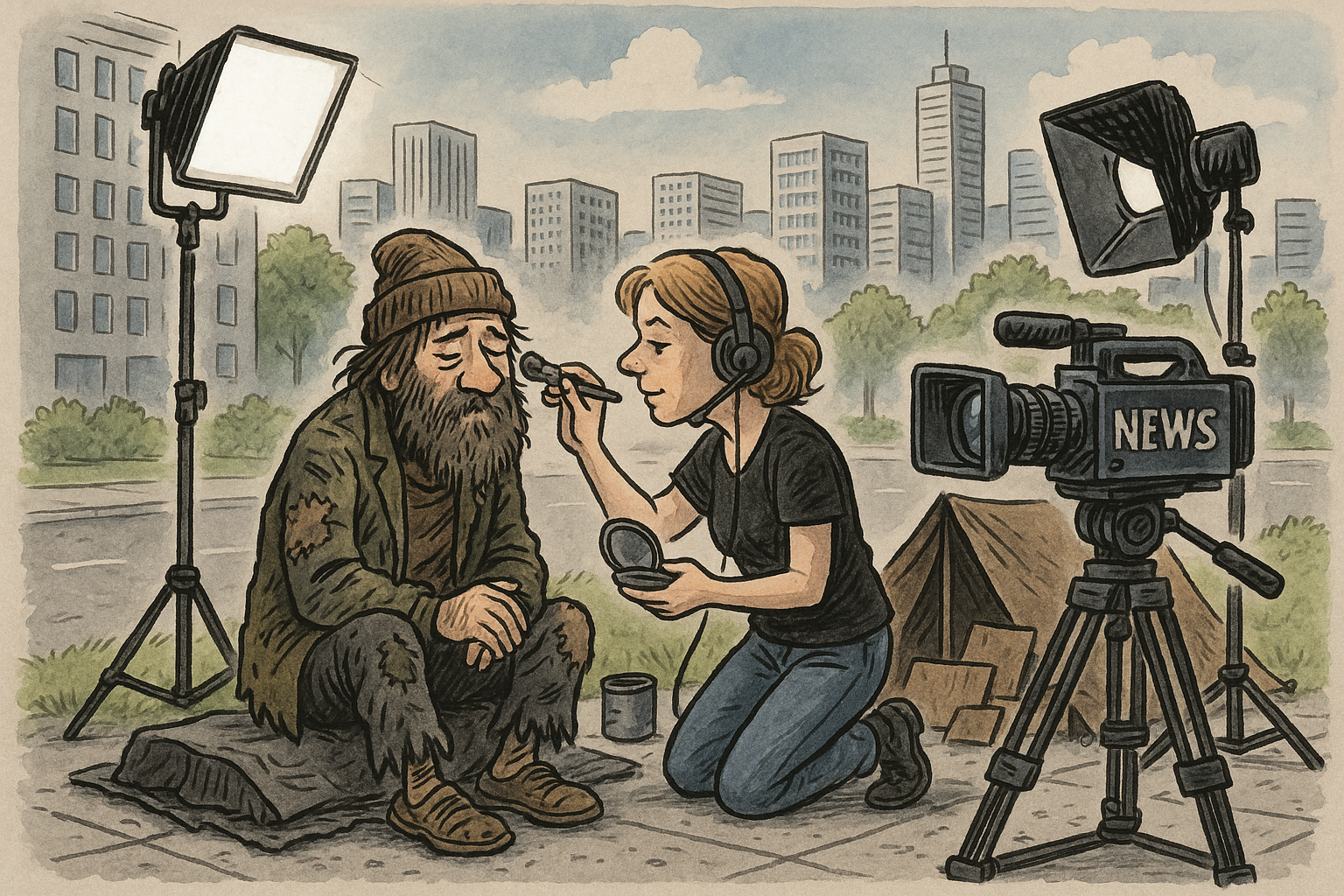
AI-generated editorial image for: LA Mayoral Candidate Scrutinized Over Staged Homeless Encampment

LA Mayoral Candidate Scrutinized Over Staged Homeless Encampment

Los Angeles City Councilmember Nithya Raman is under increased scrutiny after a staged homeless encampment appeared outside her home, sparking debate about the city's homelessness policies.
Jump to The Flipside Perspectives

Los Angeles City Councilmember Nithya Raman, a candidate in the city's competitive mayoral race, is facing heightened scrutiny following a staged homeless encampment that appeared outside her Silver Lake residence early in the morning. The incident, which occurred recently, has reignited public debate over Los Angeles' persistent homelessness crisis and the efficacy of current city policies.

"I don’t think a kid is gonna be safer if an encampment is 10 feet away or 500 feet away from a school." — Nithya Raman, Los Angeles City Councilmember and Mayoral Candidate.

The demonstration involved tents, trash, and props meticulously arranged to mimic a typical homeless encampment. Footage of the scene quickly went viral across social media platforms, drawing widespread attention from various political commentators, supporters, and opponents of Raman. The individual who claimed to have helped organize the display later characterized it as a form of political satire and commentary on the conditions prevalent in other parts of Los Angeles. Speaking to FOX 11, the organizer stated the intent was to bring the issue directly to Raman's neighborhood, highlighting the daily realities experienced by many residents. He denied any formal ties to specific political campaigns, asserting the demonstration was primarily for parody and political messaging.

Councilmember Raman addressed the incident during a podcast interview with comedian Adam Conover. She described waking up to commotion outside her home and observing what she believed to be a staged encampment. Raman expressed concern for her family, noting the presence of young children in her household and the potential impact of such an event on them.

The episode swiftly gained traction online, where it was disseminated by political figures and opponents who drew parallels to Raman's past stances on homelessness policy. Critics have argued that her expressed concern over the simulated encampment outside her home appears inconsistent with her previous support for limiting the enforcement of anti-camping laws across the city. Raman has historically opposed expanding stricter enforcement of Los Angeles’ regulations governing where homeless individuals may set up tents in public spaces, including areas near schools and parks. This position has been a consistent point of contention from opponents, who contend that such city policies have inadvertently contributed to the proliferation of visible encampments in residential neighborhoods, as reported by the New York Post.

Homelessness remains a paramount issue in the Los Angeles mayoral race, consistently ranked by voters alongside crime and public safety as a top concern. The city continues to grapple with one of the largest unhoused populations in the United States, with a significant portion of individuals living without shelter in public areas rather than within structured housing programs, according to the Daily Mail.

Supporters of the demonstration maintained that its primary purpose was to underscore these pervasive conditions and the tangible impact of city policy decisions on Los Angeles residents. They asserted that the stunt reflected a deep-seated frustration with the continued presence of encampments in various neighborhoods, parks, and near public facilities, framing it as a legitimate form of political expression rather than an act of harassment.

Councilmember Raman also serves on the City Council’s Housing and Homelessness Committee, a body responsible for overseeing funding and policy initiatives aimed at addressing encampments and expanding housing placements. Recent reports indicate that some funding allocated for encampment reduction programs has experienced delays due to administrative and contracting issues, thereby slowing implementation efforts. City officials have attributed these delays to procedural complexities rather than fundamental policy flaws, reiterating that the funding is ultimately intended to support outreach and housing placement programs for unhoused residents. However, alternative accounts suggest these delays may highlight broader inefficiencies within the city's overall response system to homelessness.

As the mayoral race progresses, this incident has become integrated into a larger political discourse surrounding homelessness policy, public safety, and governance in Los Angeles. The episode is increasingly serving as a focal point in campaign messaging, prompting candidates to face heightened scrutiny not only over their stated policy positions but also their personal responses to one of the city's most visible and enduring crises.

Advertisement

The Flipside: Different Perspectives

Progressive View

The incident outside Nithya Raman's home, while controversial, highlights the intense emotional and political pressures surrounding the homelessness crisis in Los Angeles. From a progressive viewpoint, the focus should remain on the systemic failures that lead to widespread homelessness, rather than on individual reactions to staged protests. The presence of encampments, whether real or simulated, serves as a stark reminder of the urgent need for comprehensive, compassionate solutions that address the root causes of housing insecurity, poverty, and lack of access to mental health services.

Critics who point to Raman's past policy positions on anti-camping laws often overlook the broader context of criminalizing homelessness. Progressive approaches emphasize that punitive measures, such as strict encampment clearings without adequate housing alternatives, merely displace individuals without resolving their underlying issues. The delays in funding for encampment reduction programs point to administrative inefficiencies that hinder effective outreach and housing placement, rather than a failure of policy intent. True progress requires investing in permanent supportive housing, expanding social services, and addressing the deep structural inequities that push people into homelessness. Empathy for those experiencing homelessness, coupled with a commitment to collective well-being, demands policies that prioritize human dignity and ensure everyone has a safe place to live.

Conservative View

The incident involving a staged encampment outside Nithya Raman's home underscores a fundamental disconnect between policy rhetoric and practical realities in Los Angeles' approach to homelessness. From a conservative perspective, policies that restrict the enforcement of anti-camping laws often fail to prioritize public safety and the well-being of all residents. The argument for individual liberty extends to the right of homeowners to enjoy their property and neighborhoods free from blight and public health concerns. When city officials advocate for policies that allow encampments to persist, they inadvertently compromise the quality of life for tax-paying citizens and businesses.

This situation highlights the need for a more pragmatic, results-oriented approach that emphasizes personal responsibility and effective resource management. Instead of focusing on "housing first" models that often prove costly and inefficient, conservatives advocate for comprehensive solutions that address the root causes of homelessness, such as mental health and substance abuse, through targeted intervention and accountability. The frustration expressed by those who staged the encampment reflects a broader public sentiment that current policies are failing to solve the problem, instead merely shifting it or allowing it to fester. A limited government approach would prioritize efficient use of taxpayer dollars on programs that demonstrate clear outcomes, rather than perpetuating a cycle of dependency and visible urban decay.

Common Ground

Despite differing approaches, there are genuine areas of common ground in addressing Los Angeles' homelessness crisis. Both conservatives and progressives acknowledge the severity of the problem and the urgent need for effective solutions. There is shared concern for public safety and the well-being of all residents, including those experiencing homelessness. Both sides can agree on the importance of transparent and accountable use of public funds, ensuring that taxpayer money allocated for homelessness initiatives is spent efficiently and yields measurable results.

Practical bipartisan approaches could include streamlining administrative processes to ensure that allocated funds for housing and outreach programs are disbursed and implemented without undue delay. There is also a shared understanding that mental health and substance abuse issues often contribute to homelessness, suggesting a need for increased access to and coordination of behavioral health services. While approaches to enforcement may differ, a shared goal of reducing visible encampments and improving public spaces is broadly accepted. Focusing on data-driven programs that can demonstrate success in moving individuals into stable housing, regardless of the philosophical approach, can serve as a basis for collaboration and shared progress.

What's your view on this story? Share your thoughts and remember to consider multiple perspectives and being respectful when forming and voicing your opinion. "If you resort to personal attacks, you have already lost the debate..."

Advertisement

Contact Us About This Article

Have a question or comment about this article? We'd love to hear from you.

About Fair Side News

At Fair Side News, we believe in presenting news with perspectives from both sides of the political spectrum. Our goal is to help readers understand different viewpoints and find common ground on important issues.