


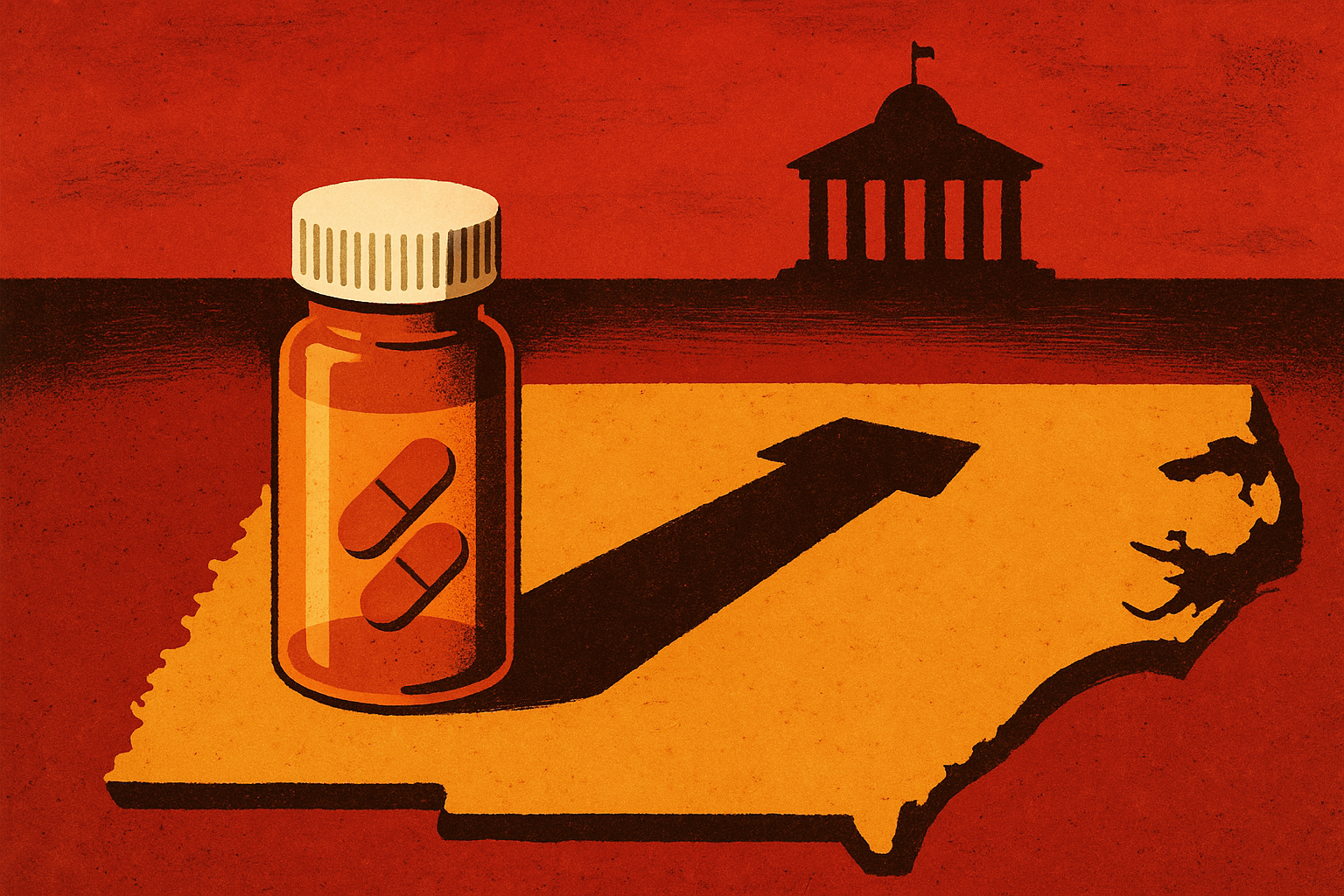
Oklahoma has become the latest state to enact stringent measures targeting the distribution of abortion-inducing medications, as Governor Kevin Stitt signed House Bill 1168 into law. The legislation, which takes effect on August 12, makes it a felony to knowingly deliver or possess abortion-inducing drugs, such as mifepristone and misoprostol, with the intent to facilitate an illegal abortion under state law. Violations of the new statute carry penalties of up to 10 years in prison, fines reaching $100,000, or both.
The new law positions Oklahoma at the center of the ongoing national debate concerning chemical abortion access and state-level enforcement of abortion restrictions. Supporters of the measure contend it is designed to bolster existing state prohibitions on abortion by targeting what they describe as unlawful distribution channels, particularly in response to the rise of mail-order access to these medications.
State Representative Denise Crosswhite Hader, a Republican and author of the legislation, articulated that the bill aims to address distribution methods operating outside traditional medical oversight. She argued that individuals could face vulnerable situations when obtaining abortion drugs without proper medical supervision or essential safeguards. Similarly, State Senator David Bullard, a Republican who championed the bill in the Senate, framed the measure as an integral part of a broader strategy to combat illegal trafficking networks. Bullard drew parallels between the unlawful distribution of abortion drugs and other forms of trafficking, asserting that it represents a significant public policy concern that lawmakers are obligated to address.
Crucially, House Bill 1168 specifically targets individuals involved in the illegal distribution or trafficking of abortion-inducing medications. It does not criminalize patients who obtain medication for their own use under legal circumstances. Furthermore, the law includes clear exemptions for legitimate medical treatments, such as miscarriage care, ectopic pregnancy treatment, chemotherapy-related use, and other non-abortion applications. Pharmacists and manufacturers operating within established regulatory guidelines are also exempt from the statute's provisions.
Proponents of the law argue that the increasing prevalence of mail-order abortion pill distribution has complicated the enforcement of state-level abortion restrictions. They suggest that remote access has fundamentally altered how abortion services are acquired, thereby increasing challenges for regulators striving to ensure compliance with state statutes. Representative Crosswhite Hader also highlighted concerns regarding medical oversight, noting that complications may arise when abortion medications are utilized without direct physician supervision. She stated that a key intent of the law is to address scenarios where patients may not receive adequate medical guidance during or after taking these drugs. Some supporters have also raised environmental concerns, positing that pharmaceutical compounds from abortion medications could potentially enter wastewater systems, though this remains an area of ongoing policy discussion rather than established regulatory findings.
The federal rules permitting remote prescribing of abortion medications have, according to opponents of mail-order access, made it more difficult for states to enforce their abortion restrictions. Conversely, those who advocate for broader abortion access argue that such state laws effectively criminalize aspects of healthcare distribution. They contend these measures impose legal penalties on providers and intermediaries rather than directly addressing individual medical decisions.
Oklahoma's legislative action aligns with similar efforts in other Republican-led states, including Iowa and Mississippi, which have also advanced restrictions on the distribution or mailing of abortion-inducing drugs. These state-level initiatives are unfolding amidst broader national legal disputes concerning federal regulatory authority and the U.S. Food and Drug Administration’s (FDA) rules governing access to abortion medications. At the national level, the issue remains subject to ongoing litigation and policy debates, particularly regarding the FDA’s regulation of mifepristone and related medications, including questions about the potential reinstatement of in-person requirements. Federal courts have issued mixed rulings in recent challenges, and the matter continues its progression through the judicial system.
As the legal and political debate persists, supporters of the Oklahoma law maintain that it represents a vital effort to align enforcement tools with existing state abortion restrictions. Critics, however, argue that it expands criminal penalties into areas intrinsically linked to reproductive healthcare access. This measure underscores the widening divide between states that are tightening abortion regulations and those that are working to maintain broader access protections in the wake of federal regulatory changes in recent years.

