


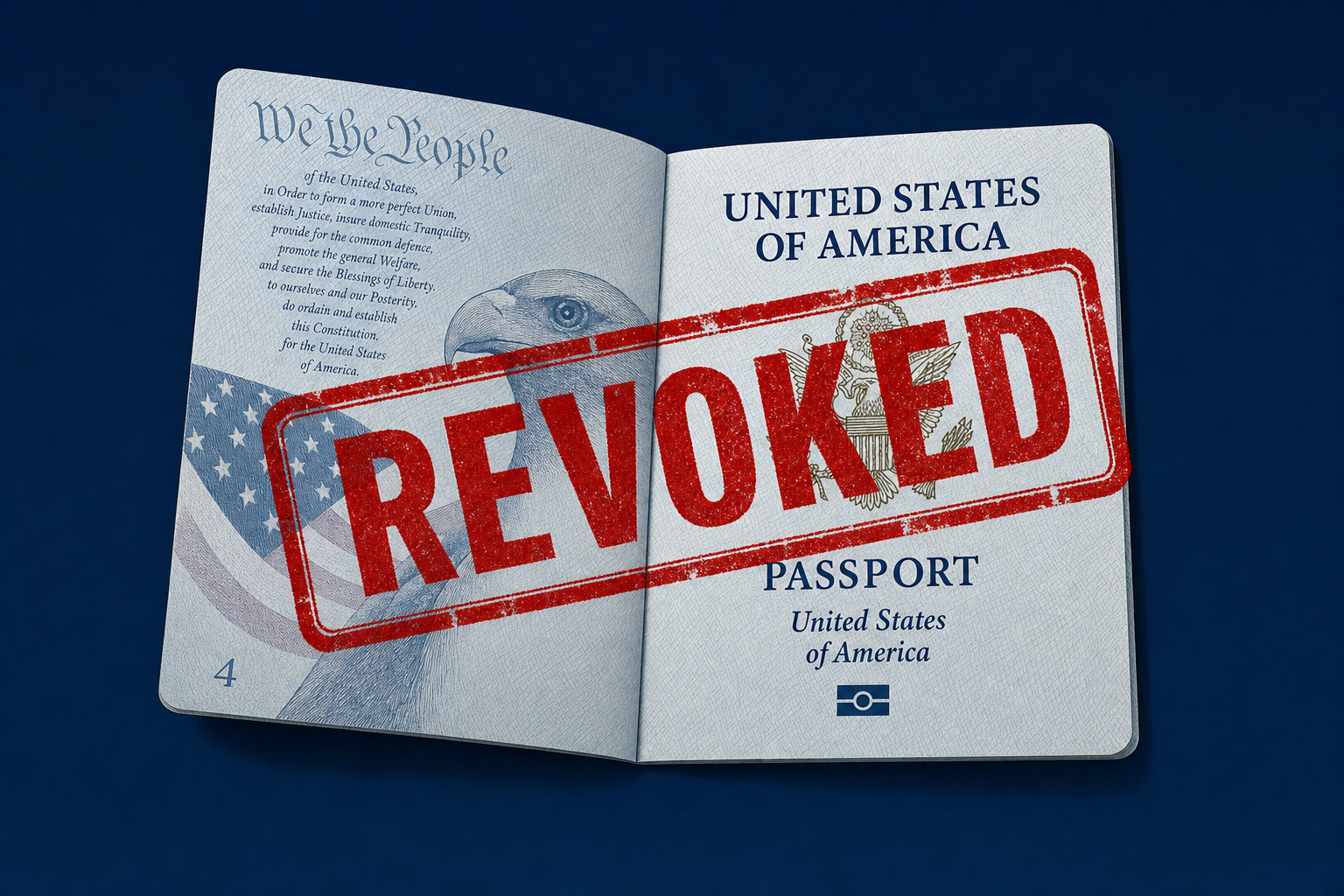
Secretary of State Marco Rubio announced a sweeping crackdown on organized "birth tourism" Wednesday, revealing that the State Department has revoked more than 600 visas as the President Trump administration targets networks accused of exploiting U.S. immigration laws. The enforcement effort is being carried out through the newly created Birth Tourism Prevention Task Force, which has taken action against hundreds of foreign nationals around the world during its first month of operation.
"American citizenship is not for sale." — Marco Rubio, Secretary of State
The initiative primarily targets operations that allegedly help foreign nationals travel to the United States primarily to give birth, allowing their children to acquire U.S. citizenship under the principle of birthright citizenship, which is enshrined in the 14th Amendment of the U.S. Constitution. While birth in the U.S. generally confers citizenship, the administration's focus is on the intent and methods used to gain entry.
Speaking on social media, Secretary Rubio declared, "American citizenship is not for sale." He further elaborated on the nature of the operations being targeted: "Elaborate birth tourism rings are profiting off the exploitation of America’s laws, coaching foreigners to defraud the U.S. visa system, arranging travel and housing, and even forging documents, all to enable foreign nationals to obtain citizenship for their children."
The crackdown does not aim to alter the 14th Amendment or directly eliminate birthright citizenship. Instead, the State Department is focusing its efforts on alleged visa fraud, deception, and the organizations that facilitate these birth tourism practices. Existing State Department rules, implemented in 2020, already direct consular officers to deny certain visitor visa applications when officials determine that an applicant's primary purpose for traveling to the U.S. is giving birth in order to obtain citizenship for the child. The new task force expands these governmental enforcement efforts through retrospective visa reviews, revocations, and enhanced coordination with the Department of Homeland Security.
Colleen Putzel-Kavanaugh, an associate policy analyst at the Migration Policy Institute, highlighted the complexities of the issue. She noted that while giving birth while visiting the U.S. is not inherently illegal, the actions of companies facilitating visa fraud are indeed criminal. "Birth tourism represents a conundrum for policymakers," Putzel-Kavanaugh told Newsweek, adding, "Giving birth on U.S. territory is not inherently illegal, but coming to the U.S. intentionally to give birth and the actions of the companies that Rubio describes, like visa fraud, are crimes." She further clarified that the term "birth tourist" specifically describes someone whose sole purpose for coming to the U.S. is to give birth to a child who will then obtain U.S. citizenship.
The administration's increased focus on this practice has garnered praise from immigration enforcement advocates. Jeremy Beck, co-president of NumbersUSA, commended the initiative. "Birth tourism undermines the integrity of birthright citizenship as asylum shopping undermines our humanitarian programs," Beck told Newsweek. He reiterated that the U.S. has had a policy since 2020 allowing officials to deny visitor visas to individuals whose primary purpose for travel is birth-related citizenship. Beck emphasized the importance of preventing entry, particularly following court rulings that protect birthright citizenship. "That makes it all the more important to stop birth tourism before entry," he stated. Beck also called on Congress to codify restrictions targeting the practice, suggesting legislation that would explicitly deem tourists inadmissible if their intent is to enter the country to give birth for citizenship purposes.
This enforcement push aligns with immigration remaining a major priority for President Donald Trump’s second administration. President Trump has previously pursued separate efforts to restrict the application of birthright citizenship through executive action, which has led to significant constitutional litigation. Secretary Rubio’s latest initiative adopts a different strategy by targeting the means through which foreign nationals obtain permission to enter the country, rather than directly challenging the citizenship status of children after they are born.
The State Department has not publicly disclosed the specific countries from which the more than 600 visa revocations originated, nor has it identified the specific organizations allegedly involved in the birth tourism networks. Secretary Rubio indicated that the enforcement campaign is ongoing, stating, "The State Department will use all available tools to dismantle birth tourism networks and defend the integrity of U.S. citizenship."

