

Breaking
Sponsor Advertisement
Shopping App Phia Faces Fraud Allegations Over Commission Practices
Image for: Shopping App Phia Faces Fraud Allegations Over Commission Practices

Shopping App Phia Faces Fraud Allegations Over Commission Practices

Phia, a shopping app co-founded by Phoebe Gates and Sophia Kianni, faces allegations of "cookie stuffing" that improperly claimed retail commissions. Internal company records reportedly conflict with public statements regarding the timeline of the issue's discovery and resolution.
Jump to The Flipside Perspectives

Phia, a shopping application co-founded by Phoebe Gates, daughter of Microsoft co-founder Bill Gates, and Sophia Kianni, is at the center of fraud allegations concerning its commission practices. A recent investigation by Bloomberg reported that the app's browser extension allegedly used a technique known as "cookie stuffing" to claim credit for retail purchases it did not influence, potentially leading to unearned commission payments from retailers.

The core of the allegations, as detailed by Bloomberg, revolves around a discrepancy between Phia's internal communications and its public statements. Sources familiar with internal communications, cited by Bloomberg, indicate that the company's founders, Gates and Kianni, were aware of the problematic practice as early as December 2025. This timeline directly contradicts an initial statement provided by a Phia spokesperson to Bloomberg in July, which characterized the discovery of the issue as "recent and unexpected." The spokesperson had stated at the time, "As soon as we were notified, our team worked overnight to identify, mitigate, and has since resolved the issue."

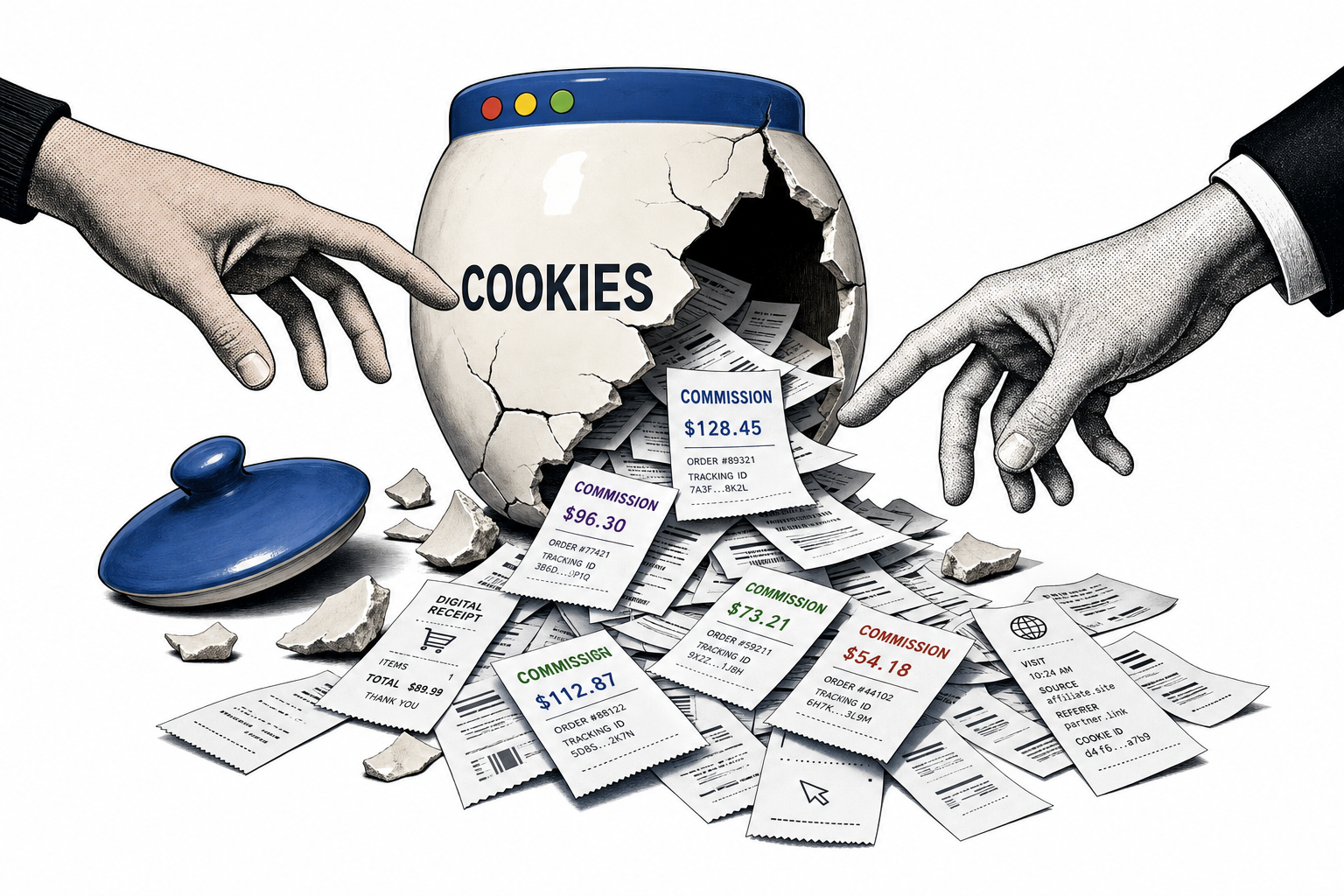
Cookie stuffing is a deceptive method in digital affiliate marketing where a tracking file, or cookie, is placed into a customer’s checkout session without any legitimate interaction or influence from the company benefiting from it. Once this cookie is present, a retailer's tracking system may mistakenly attribute the sale to the involved company, triggering an undeserved commission payment. Phia's business model relies on these commissions, paid by retailers every time a shopper completes a purchase after using its browser extension to find discount codes.

The financial scope of the alleged fraud is significant. An internal Slack message, attributed to a Phia data scientist and dated July 7, estimated that cookie stuffing accounted for 51 percent of the sales the app claimed credit for throughout June 2026. This suggests that more than half of the company's reported sales volume for that month may have originated from purchases where the app played no actual role in generating.

Following the fallout from Bloomberg’s reporting, Phia issued a new statement to multiple news outlets, providing a more specific timeline for its actions. The company spokesperson stated, "Any features causing misattributions were immediately removed over a month ago on July 7." Phia also indicated that it is now working to reverse fraudulent transactions with its brand partners who were affected by the misattributed commissions. Furthermore, the company announced plans to hire a head of compliance, an individual tasked with preventing similar issues from recurring.

Despite these measures and updated statements, one crucial detail remains unaddressed by Phia: whether Phoebe Gates and Sophia Kianni personally knew about the alleged cookie stuffing practice before it became public knowledge. This omission leaves a central question from Bloomberg's reporting unanswered by the company itself, even as Phia works to rectify the financial implications with its retail partners.

Phoebe Gates has garnered public attention in her business ventures, partly due to her father's prominent status in the American technology industry. Sophia Kianni has also built a public profile alongside Gates as they positioned Phia within the competitive market for price-comparison apps. The ongoing controversy highlights the challenges of maintaining transparency and ethical practices in the rapidly evolving landscape of digital commerce, particularly when internal records reportedly conflict with public assurances. The reliance of Bloomberg's account on unnamed sources with knowledge of internal matters underscores the complexity of verifying such allegations without direct, on-the-record confirmations from the company's leadership. The discrepancy between the company's internal communications and its public narrative continues to shape the public reception of the story.

Advertisement

The Flipside: Different Perspectives

Progressive View

A progressive viewpoint on the Phia allegations would focus on corporate responsibility, consumer protection, and the potential for systemic exploitation within the digital economy. The alleged "cookie stuffing" scheme, if proven true, represents a breach of trust not only with retailers but also with the broader ecosystem of digital commerce and the consumers who rely on these platforms. Progressives would highlight how such deceptive practices can disproportionately impact smaller businesses and entrepreneurs who may lack the resources to detect or dispute fraudulent commission claims. This incident also raises questions about the ethical obligations of wealthy individuals and their ventures, suggesting that prominence should come with heightened accountability. The initial discrepancy between internal knowledge and public statements points to a potential lack of transparency, which is a significant concern for advocates of corporate ethics. The call for a head of compliance is a step, but progressives would advocate for broader industry standards and potentially stronger regulatory oversight to ensure fair play, protect consumers from hidden costs, and prevent powerful tech entities from leveraging their position for unearned gains. Ensuring equity and integrity in digital transactions is paramount for a just economy.

Conservative View

From a conservative perspective, the allegations against Phia underscore the critical importance of market integrity, fair competition, and individual accountability in business. Free markets thrive on trust and transparent transactions, where companies earn their success through genuine value creation, not deceptive practices. "Cookie stuffing" represents a form of commercial manipulation that undermines the very principles of honest enterprise. Retailers, often small and medium-sized businesses, rely on clear contractual agreements for affiliate commissions. If these agreements are exploited through illicit means, it erodes trust and distorts competition, potentially harming businesses that play by the rules. Conservatives would emphasize the need for Phia's leadership to take full responsibility, not only to correct past errors but to implement robust internal controls that prevent future misconduct. This situation highlights the necessity for businesses to self-regulate effectively, as a failure to do so often invites heavier government intervention, which conservatives typically view with skepticism due to concerns about overreach and stifling innovation. Upholding ethical business standards is seen as a personal responsibility of entrepreneurs and executives to ensure a level playing field for all market participants.

Common Ground

Both conservative and progressive perspectives can find common ground in the fundamental need for transparency and ethical conduct in business. Regardless of political leaning, there is broad agreement that companies should operate honestly, earn their revenues fairly, and be accountable for their actions. The Phia allegations highlight shared concerns about maintaining trust in digital commerce and ensuring that economic transactions are genuinely productive. Both sides would agree that deceptive practices like "cookie stuffing" erode consumer confidence and create an unfair marketplace. There is a mutual interest in fostering an environment where businesses compete on merit and innovation, rather than through manipulation. Furthermore, the commitment by Phia to reverse fraudulent transactions and hire a head of compliance demonstrates a shared recognition of the need for corrective action and improved internal governance. Establishing clear, enforceable standards for digital advertising and affiliate marketing, developed through collaboration between industry and potentially government, could be a bipartisan goal to protect all stakeholders and ensure a robust, fair digital economy.

What's your view on this story? Share your thoughts and remember to consider multiple perspectives and being respectful when forming and voicing your opinion. "If you resort to personal attacks, you have already lost the debate..."

Advertisement

Contact Us About This Article

Have a question or comment about this article? We'd love to hear from you.

About Fair Side News

At Fair Side News, we believe in presenting news with perspectives from both sides of the political spectrum. Our goal is to help readers understand different viewpoints and find common ground on important issues.