

Breaking
Sponsor Advertisement
Trump Appoints Bill Pulte Acting DNI, Signals Intelligence Shakeup
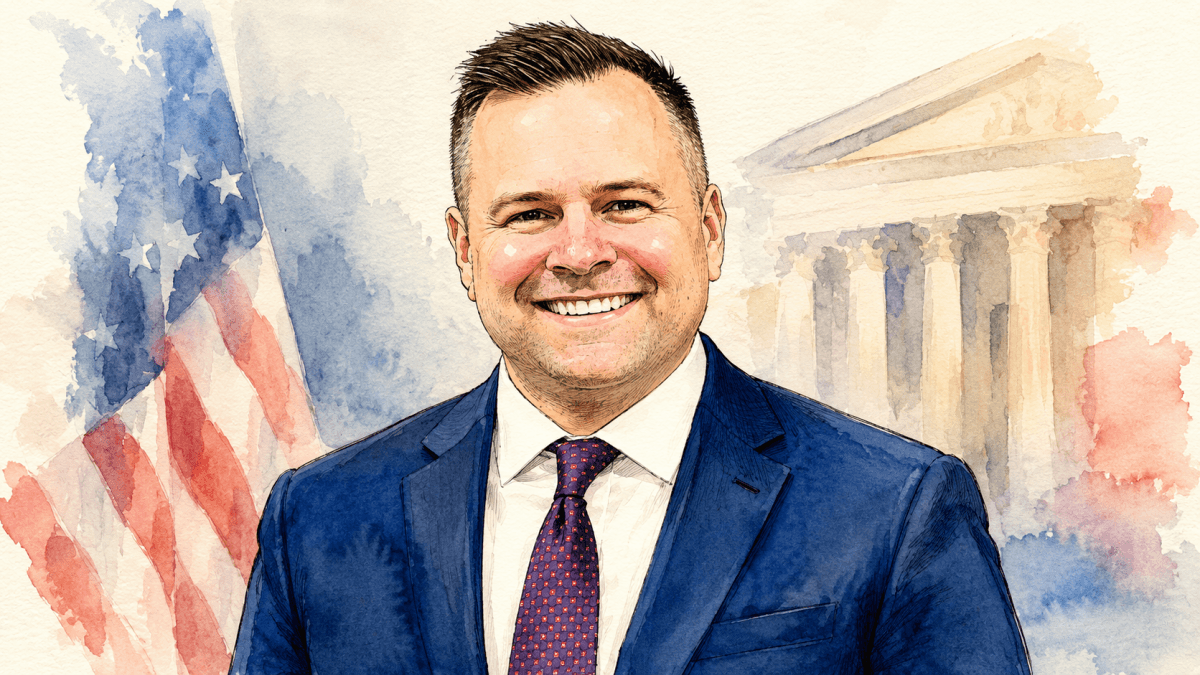
Image for: Trump Appoints Bill Pulte Acting DNI, Signals Intelligence Shakeup

Trump Appoints Bill Pulte Acting DNI, Signals Intelligence Shakeup

President Donald Trump has appointed Bill Pulte as acting Director of National Intelligence, bypassing Senate confirmation.
Jump to The Flipside Perspectives

President Donald Trump has appointed Bill Pulte as the acting Director of National Intelligence (DNI), a strategic move that allows the administration to bypass the Senate confirmation process and immediately begin implementing changes across the nation’s intelligence agencies. The appointment follows the recent resignation of Director of National Intelligence Tulsi Gabbard and places Pulte at the helm of the Office of the Director of National Intelligence (ODNI), which oversees 18 distinct intelligence entities.

"We look forward to working with Mr. Pulte and President Trump on additional initiatives to advance savings and root out deep state bad actors." — Office of the Director of National Intelligence spokesman, per Trending Politics.

Under the provisions of the Federal Vacancies Reform Act, Pulte is permitted to serve temporarily as the nation’s top intelligence official without requiring Senate approval. This mechanism grants him broad authority over intelligence operations, personnel decisions, budget oversight, and access to classified information during his acting tenure. The President has articulated clear objectives for Pulte’s temporary role, signaling a significant shakeup within the U.S. intelligence community.

President Trump indicated that a primary responsibility for Pulte would be to reduce the overall size of the intelligence bureaucracy and remove officials who may have remained from previous administrations. Speaking to The Wall Street Journal, President Trump stated, "I’d like to see it smaller. I think there are a lot of people in there that shouldn’t be there." He later elaborated on these comments to reporters, emphasizing his desire for Pulte to initiate the restructuring process before a permanent nominee is selected.

The President suggested that serving in an acting capacity could provide Pulte with greater flexibility to implement potentially controversial changes. "You’re less shackled," President Trump remarked, adding, "It sort of gives you more power, you know, for a somewhat limited period of time." He expressed belief that Pulte could undertake much of the challenging work associated with downsizing agencies and restructuring personnel before a permanent intelligence chief assumes the position, noting, "Frankly, it might be good for him to shake it up before people come."

Another key directive from President Trump involves the review and potential public release of classified materials. When asked about possible declassification efforts, particularly concerning records related to the 2020 election and allegations of voter fraud, President Trump stated, "I would say everything—he should look at everything and make a determination." This directive suggests a potential focus on transparency regarding politically sensitive intelligence records.

As acting DNI, Pulte will be responsible for overseeing an intelligence budget estimated at approximately $100 billion annually. His role involves coordinating operations among a vast array of agencies, including prominent entities such as the Central Intelligence Agency (CIA), the Federal Bureau of Investigation (FBI), the National Security Agency (NSA), and the Defense Intelligence Agency (DIA), among others. This expansive oversight grants him significant influence over the direction and priorities of U.S. intelligence gathering and analysis.

The appointment has elicited varied reactions within Washington. While some Republicans have expressed concerns regarding the unexpected nature of the selection, supporters of the administration argue that Pulte’s temporary status is an efficient way to initiate reforms without being bogged down by a potentially lengthy and contentious Senate confirmation battle. Pulte previously served as director of the Federal Housing Finance Agency and reportedly sought the intelligence position in the weeks leading up to Gabbard’s resignation.

A spokesman for the Office of the Director of National Intelligence, as reported by Trending Politics, affirmed the agency’s readiness to collaborate with the new acting director. "We look forward to working with Mr. Pulte and President Trump on additional initiatives to advance savings and root out deep state bad actors," the spokesman stated.

The White House has not yet provided a timeline for the selection of a permanent Director of National Intelligence. Similarly, details regarding when workforce reductions might commence or if personnel changes are already underway remain undisclosed. For the immediate future, Pulte’s appointment signifies the administration’s clear intent to pursue substantial changes within the intelligence community, leveraging the temporary authority afforded by federal law to do so.

Advertisement

The Flipside: Different Perspectives

Progressive View

Progressives view President Trump’s appointment of Bill Pulte as acting Director of National Intelligence with significant concern, primarily focusing on the circumvention of Senate confirmation. This move is seen as undermining democratic checks and balances, potentially allowing an individual without full Congressional vetting to wield immense power over the nation's 18 intelligence agencies. The DNI position is critical for national security, and bypassing the rigorous confirmation process raises questions about transparency, qualifications, and potential politicization of intelligence operations.

Concerns are amplified by President Trump's stated intentions for Pulte, including reducing staff and removing officials from previous administrations, which progressives fear could lead to a purge of experienced professionals and the politicization of intelligence analysis. An independent, non-partisan intelligence community is considered vital for providing objective assessments to policymakers, and any actions perceived as an attempt to mold intelligence to fit a political narrative are deeply troubling. Furthermore, the directive to review classified materials, particularly related to the 2020 election, is seen as a potential weaponization of declassification powers for political purposes, rather than genuine transparency. This could expose sensitive intelligence sources and methods, compromise national security, and erode public trust in the impartiality of intelligence agencies. Progressives argue that such actions threaten the integrity and effectiveness of institutions essential for collective well-being and national defense.

Conservative View

From a conservative perspective, President Trump's appointment of Bill Pulte as acting Director of National Intelligence is viewed as a decisive move to streamline government and enhance accountability within the intelligence community. The use of the Federal Vacancies Reform Act to bypass Senate confirmation is seen not as an evasion of oversight, but as a pragmatic approach to quickly implement necessary reforms without facing potential political obstruction from an opposition-controlled Senate or entrenched bureaucratic interests. This aligns with the conservative principle of limited government, aiming to reduce the size and scope of federal agencies, especially those perceived as having grown too large or inefficient.

Conservatives often express concerns about the existence of a "deep state" – unelected officials who may work against the agenda of an elected administration. President Trump's stated goal of reducing staff and removing officials from previous administrations is therefore seen as a direct effort to ensure that intelligence agencies are responsive to the President's directives and priorities, rather than operating independently or pursuing their own agendas. The emphasis on fiscal responsibility, by seeking "savings" and "rooting out deep state bad actors," resonates strongly with calls for government efficiency and prudent use of taxpayer dollars. Furthermore, the directive for Pulte to review classified materials, particularly concerning the 2020 election, is seen as a commitment to transparency and addressing lingering questions that many conservatives believe have not been adequately answered, reinforcing public trust in democratic processes.

Common Ground

Despite differing approaches, both conservative and progressive viewpoints share common ground regarding the fundamental importance of an effective and accountable intelligence community for national security. There is bipartisan agreement on the need for intelligence agencies to operate efficiently and to be good stewards of taxpayer money. Discussions around budget optimization and eliminating waste within federal agencies, including intelligence bodies, could find common ground.

Both sides also recognize the critical role of intelligence in protecting the nation and its interests. While the methods and priorities may differ, the shared goal of ensuring the United States has robust intelligence capabilities to counter threats remains paramount. Furthermore, there is a general appreciation across the political spectrum for appropriate oversight and accountability within government. While conservatives may emphasize presidential authority and progressives may prioritize Congressional checks, both ultimately seek to prevent abuse of power and ensure that intelligence agencies serve the nation responsibly. Dialogue could focus on establishing transparent oversight mechanisms that balance executive authority with legislative scrutiny, ensuring intelligence remains both effective and ethically sound without becoming politicized.

What's your view on this story? Share your thoughts and remember to consider multiple perspectives and being respectful when forming and voicing your opinion. "If you resort to personal attacks, you have already lost the debate..."

Advertisement

Contact Us About This Article

Have a question or comment about this article? We'd love to hear from you.

About Fair Side News

At Fair Side News, we believe in presenting news with perspectives from both sides of the political spectrum. Our goal is to help readers understand different viewpoints and find common ground on important issues.