

Breaking
Sponsor Advertisement
Trump Warns Oman Over Strait of Hormuz Interference
Image for: Trump Warns Oman Over Strait of Hormuz Interference

Trump Warns Oman Over Strait of Hormuz Interference

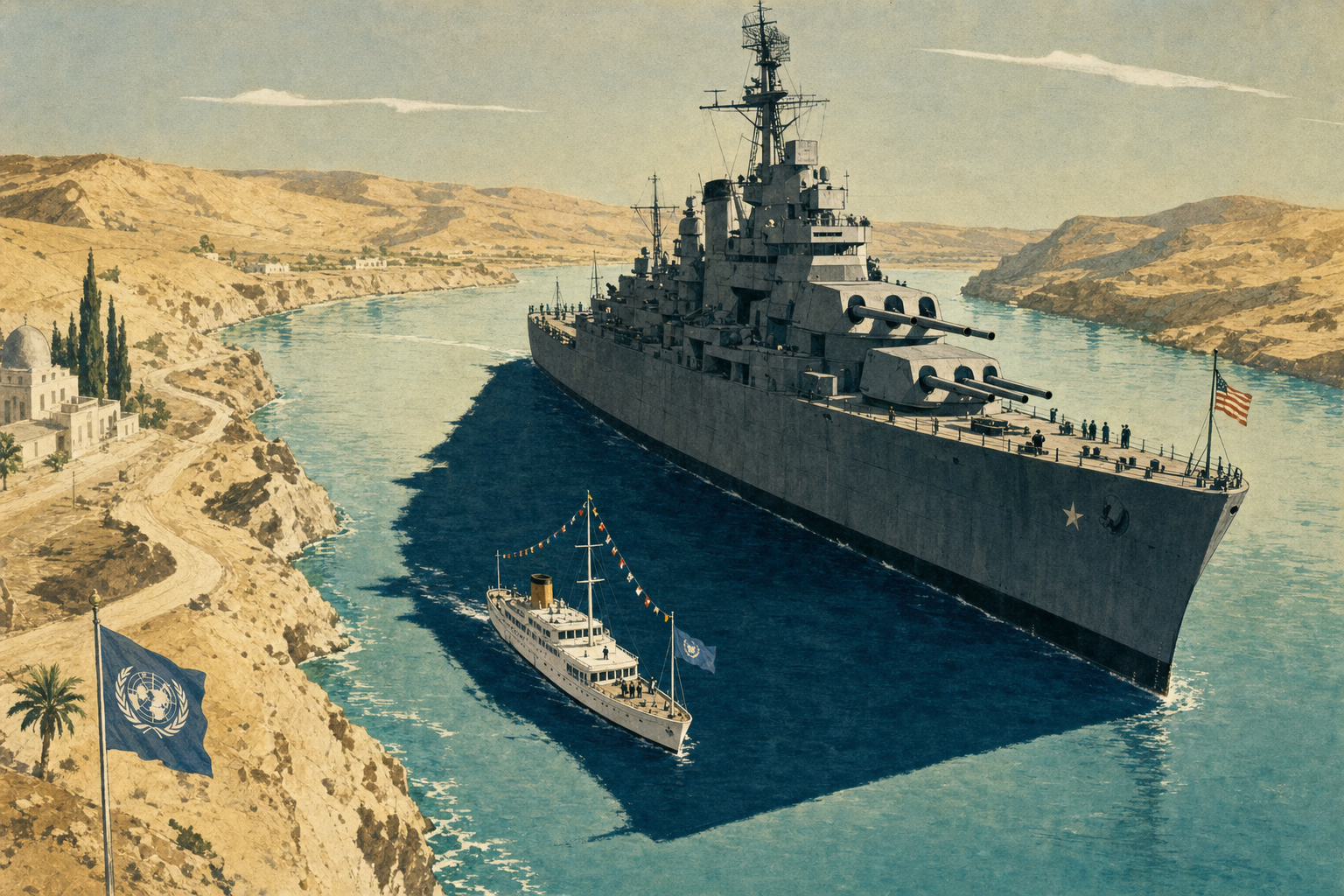
President Donald Trump issued a stern warning to Oman, a long-standing U.S. ally, threatening military action if the Gulf nation interferes with American interests regarding the Strait of Hormuz amid ongoing tensions with Iran.
Jump to The Flipside Perspectives

President Donald Trump issued a stark warning to Oman on Monday, threatening military action if the Gulf nation's negotiations with Iran regarding the Strait of Hormuz interfere with American interests. The President's remarks, made during an interview with Fox News, focused on Oman's discussions with Tehran concerning arrangements for shipping through the strategically vital waterway. "If Oman gets in the way, we’ll bomb the s*** out of them," President Trump stated.

"If Oman gets in the way, we’ll bomb the s*** out of them." — President Donald Trump, Interview with Fox News

This declaration marks an extraordinary warning directed at Oman, a nation that has historically served as a critical diplomatic intermediary between Washington and Tehran and is also a U.S. defense partner. The Strait of Hormuz, a narrow passage connecting the Persian Gulf to the open sea, is one of the world's most important energy routes, facilitating the transit of a significant portion of global oil shipments. Amid heightened tensions between the United States and Iran, the strait has become a major point of contention.

President Trump has consistently asserted that Iran will not be permitted to dictate the terms of passage for vessels through the strait or impose new fees on U.S.-backed ships. Monday's comments are not the first instance of the President issuing threats to Oman regarding this issue. Earlier this year, when questioned about the potential for an agreement between Iran and Oman concerning control of the waterway, President Trump stated, "The strait will be open to everybody. Nobody is going to control it… We will watch over it." He then directly addressed Muscat, warning, "Oman will behave just like everybody else or we’ll have to blow them up. They understand that. They’ll be fine." At that time, Oman did not issue a public response to the threat. Following these earlier remarks, Treasury Secretary Scott Bessent indicated that Oman’s ambassador had provided assurances that the country had no intention of charging ships for transit through the strait.

The ongoing dispute places Oman in a precarious diplomatic position. For decades, Muscat has maintained diplomatic relations with both the United States and Iran, often playing a crucial intermediary role in negotiations, including those that contributed to the 2015 Iran nuclear agreement. However, the Trump administration has adopted an increasingly firm stance toward Tehran, actively seeking to prevent Iran from gaining greater leverage over the Strait of Hormuz.

Iran, for its part, has frequently used the waterway as a bargaining chip in its negotiations with Washington, while the U.S. has responded with a combination of military and economic pressure. The Trump administration has demanded that Tehran cease uranium enrichment for an extended period, abandon any pursuit of nuclear weapons, and surrender its existing stockpile of enriched uranium. In return, Iran has sought relief from sanctions, access to frozen assets, an end to U.S. military pressure in the region, and greater control over the Strait of Hormuz.

The escalating confrontation has sent ripples through global energy markets. Concerns about potential disruptions to shipping through the critical passage have contributed to rising oil prices, underscoring the international economic impact of regional instability. President Trump’s latest comments serve as a clear signal that his administration's warnings extend beyond Iran itself, indicating a willingness to impose consequences on U.S. partners if they engage in agreements that Washington believes could strengthen Tehran’s strategic position in the region. The situation highlights the complex geopolitical dynamics at play in the Middle East and the challenges faced by nations attempting to navigate the intensifying rivalry between the United States and Iran.

Advertisement

The Flipside: Different Perspectives

Progressive View

From a progressive viewpoint, President Trump's threat of military action against Oman, a long-standing U.S. ally, is deeply concerning and counterproductive. Such aggressive rhetoric risks destabilizing an already volatile region and alienating key diplomatic partners. Oman has historically played a crucial role in de-escalating tensions between the U.S. and Iran, and undermining its diplomatic capacity through threats could eliminate a vital channel for communication and negotiation, making conflict more likely.

Progressives advocate for diplomatic solutions, multilateral engagement, and adherence to international law over unilateral threats of force. The emphasis should be on de-escalation and finding common ground, rather than escalating tensions that could lead to broader regional conflict with devastating humanitarian and economic consequences. Threatening an ally for pursuing independent diplomacy, even if it involves an adversary, weakens alliances and diminishes America's standing as a reliable partner. A more empathetic and analytical approach would recognize Oman's difficult position and work collaboratively to ensure maritime security while supporting diplomatic efforts to resolve the underlying U.S.-Iran dispute.

Conservative View

From a conservative perspective, President Trump's strong warning to Oman underscores a commitment to protecting vital American interests and global trade routes against potential interference. The Strait of Hormuz is a critical chokepoint for international oil shipments, and ensuring its free and unhindered passage is paramount for global economic stability and U.S. national security. Any agreement that could grant Iran undue leverage over this waterway is seen as a direct threat to free markets and the principle of open seas.

Conservatives generally prioritize a robust defense and a clear demonstration of American strength on the world stage. President Trump's direct language, while unconventional, is viewed by some as a necessary display of resolve, intended to deter potential adversaries and ensure allies understand the gravity of aligning with hostile interests. This approach emphasizes that while diplomatic relationships are valued, they cannot compromise core security objectives or allow for the empowerment of regimes that threaten U.S. and allied security. The administration's stance reinforces the idea that nations must uphold international norms regarding maritime freedom, and any deviation will be met with decisive action, thus safeguarding the economic interests of the United States and its partners.

Common Ground

Despite differing approaches, there is common ground regarding the fundamental importance of stability and security in the Strait of Hormuz. Both conservative and progressive viewpoints recognize that the free flow of commerce through this vital waterway is essential for global energy markets and the world economy. Disruptions in the Strait would have severe economic repercussions, impacting consumers and industries worldwide. Therefore, ensuring the unhindered passage of vessels through the Strait of Hormuz is a shared objective across the political spectrum.

Furthermore, both sides generally agree on the need for regional stability and the avoidance of large-scale military conflict in the Middle East, even if their preferred methods for achieving it differ. There is a mutual understanding that an uncontrolled escalation of tensions between the U.S. and Iran could lead to disastrous outcomes for all parties involved. Consequently, exploring diplomatic avenues to manage the U.S.-Iran relationship, while safeguarding international shipping, remains a critical area where bipartisan cooperation and pragmatic solutions can be sought to prevent broader conflict and protect shared global interests.

What's your view on this story? Share your thoughts and remember to consider multiple perspectives and being respectful when forming and voicing your opinion. "If you resort to personal attacks, you have already lost the debate..."

Advertisement

Contact Us About This Article

Have a question or comment about this article? We'd love to hear from you.

About Fair Side News

At Fair Side News, we believe in presenting news with perspectives from both sides of the political spectrum. Our goal is to help readers understand different viewpoints and find common ground on important issues.