
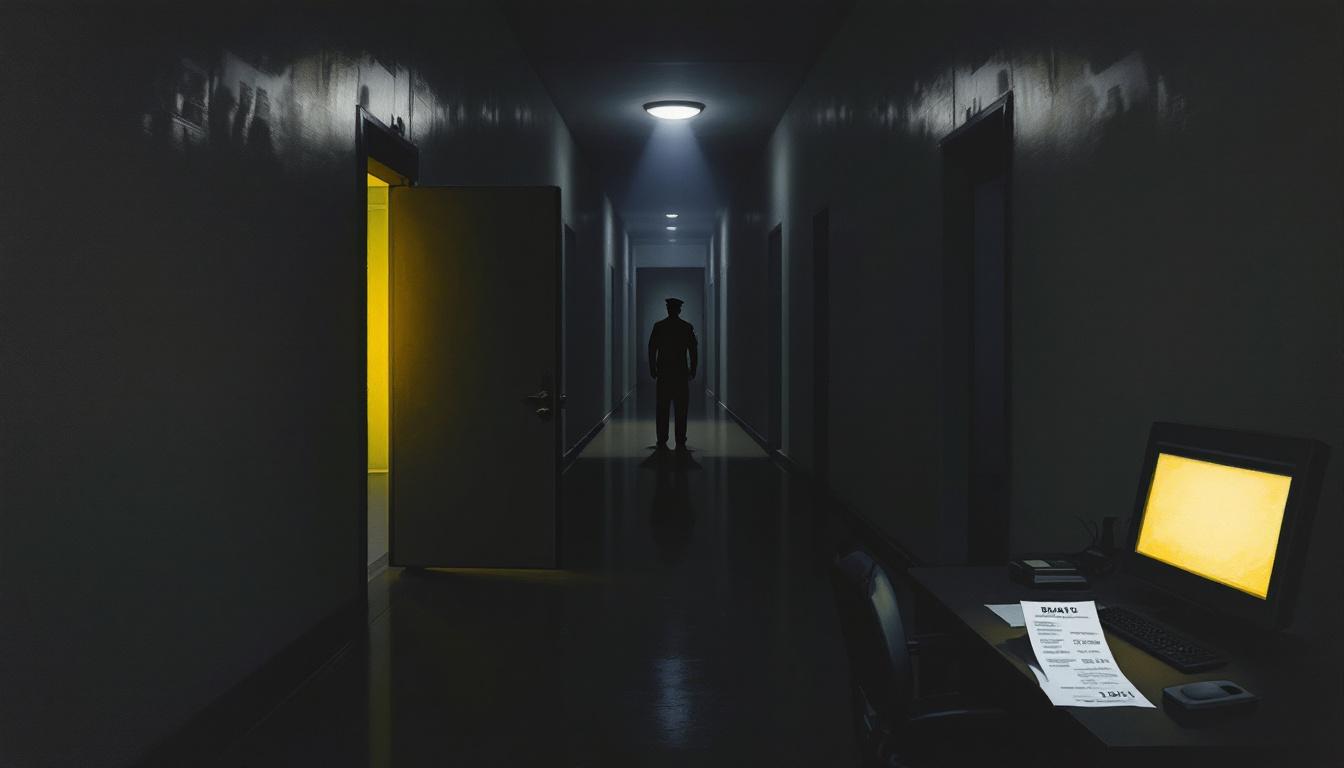
Newly released Department of Justice (DOJ) records are renewing scrutiny over the August 2019 death of convicted sex offender Jeffrey Epstein at the Metropolitan Correctional Center (MCC) in Manhattan. The documents indicate that Tova Noel, a correctional officer assigned to monitor Epstein, conducted online searches about him just minutes before he was found dead. These revelations add to a long-standing controversy surrounding the circumstances of Epstein's death while he awaited trial on federal sex trafficking charges.
"The [guards] had a duty to ensure the safety and security of federal inmates in their care. Instead, they repeatedly failed to conduct mandated checks on inmates, and lied on official forms to hide their dereliction."
Jeffrey Epstein, 66, was discovered unresponsive in his cell at the federal detention facility on August 10, 2019. His death was officially ruled a suicide by hanging. However, inconsistencies in timelines, missing camera footage, and repeated security failures at MCC have fueled public skepticism and prompted ongoing investigations by lawmakers and oversight bodies.
According to FBI forensic analysis cited in the newly released files, Officer Noel searched "latest on Epstein in jail" at 5:42 a.m. and again at 5:52 a.m. on the morning of August 10. This occurred less than 40 minutes before her colleague, Officer Michael Thomas, reportedly discovered Epstein's body around 6:30 a.m. In sworn statements provided to the DOJ in 2021, Noel denied conducting these searches, stating, "I don’t remember doing that," and challenging the accuracy of the FBI data.
The records also reveal other questionable activities during Noel's shift. While she was reportedly conducting online searches, she also engaged in online shopping. Officer Thomas, her partner, was browsing motorcycles instead of performing the mandated inmate rounds. Both Noel and Thomas had previously been accused of falsifying official records to suggest they had performed the required 30-minute checks overnight, which they allegedly failed to do. Although both officers were subsequently terminated from their positions, prosecutors ultimately declined to pursue criminal charges against them, as reported by the New York Post.
Further raising questions, the DOJ files flagged unusual financial activity related to Officer Noel. Chase Bank reportedly filed a suspicious activity report with the FBI, noting multiple cash deposits into Noel’s account between April 2018 and July 2019. Among these was a significant $5,000 deposit made just 10 days before Epstein's death, on July 30, 2019. The report also indicated prior totals over $11,000 in unexplained sums. According to The Sun, investigators did not question Noel about these deposits.
Surveillance footage from the facility also contributed to the mystery. The footage reportedly showed a blurry figure, believed to be Noel, near Epstein’s cell late on August 9. This figure appeared to be carrying what investigators believed were linens or inmate clothing. Epstein was later found hanging with strips of orange fabric. Noel, however, denied distributing linens or having any involvement in the circumstances leading to Epstein's death, as reported by Radar Online.
Epstein's confinement at MCC, specifically in the Special Housing Unit, was plagued by systemic issues. Prior reports highlighted that the facility had struggled with chronic staff shortages, broken cameras, and a pattern of procedural noncompliance, particularly concerning the monitoring of high-risk inmates. These institutional failures have led many to question whether deeper systemic problems contributed to the inability to prevent Epstein's death. The high-profile nature of Epstein's associates has further fueled public skepticism and calls for greater transparency regarding the investigation.
Manhattan U.S. Attorney Geoffrey Berman emphasized the responsibilities of correctional staff in 2019, stating, “The [guards] had a duty to ensure the safety and security of federal inmates in their care. Instead, they repeatedly failed to conduct mandated checks on inmates, and lied on official forms to hide their dereliction.” His statement underscores the severity of the alleged lapses in duty.
As additional DOJ and House Oversight Committee files continue to be released, investigators are still probing the extensive lapses that contributed to Epstein’s death nearly seven years ago. The ongoing scrutiny highlights persistent concerns about protocol compliance, staff accountability, and the effective management of high-risk inmates within federal correctional facilities across the nation.