
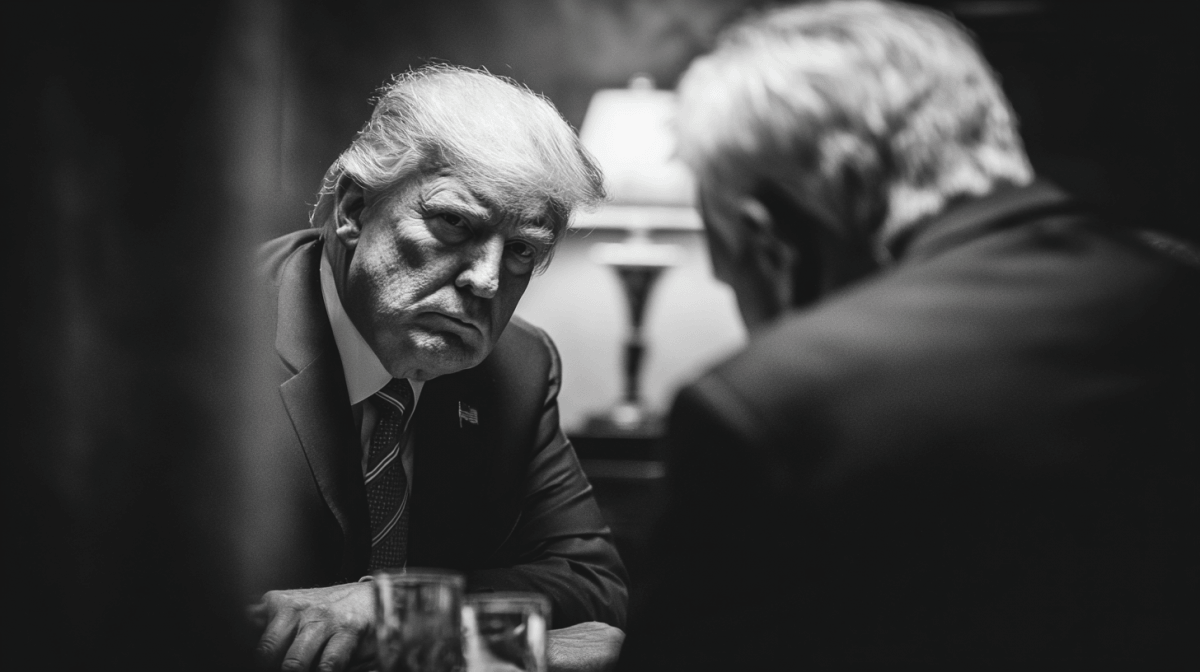
The United States Senate on Wednesday voted to reject a resolution that would have prevented President Donald Trump from initiating further military strikes against Iran, marking another instance where Congress has affirmed the executive branch's authority in ongoing international conflicts. The procedural vote, which failed 52-47, represented the latest effort by a bipartisan group of lawmakers to reassert congressional war powers as military operations in the region continue.
"I have been clear from the beginning of this military operation that the President’s power is not unlimited as Commander in Chief, as the Constitution gives Congress an essential role in matters of war and peace." — Senator Susan Collins, Republican of Maine
The resolution aimed to invoke the War Powers Resolution of 1973, a federal law intended to check the president's power to commit the United States to an armed conflict without the consent of Congress. Supporters of the measure, primarily Democrats and a handful of Republicans, argued that Congress must reclaim its constitutional mandate regarding declarations of war and peace. They emphasized that the legislative branch, not the executive, holds the ultimate authority to commit the nation to prolonged military engagements.
Conversely, most Republicans opposed the resolution, asserting that President Trump, as commander-in-chief, requires the necessary flexibility and swift decision-making capability to address active international crises. They contended that limiting the President's options during sensitive military operations could undermine national security and embolden adversaries.
A notable vote came from Senator Susan Collins (R-Maine), who, despite her frequent criticisms of President Trump on other issues, voted against the resolution. Following the vote, Senator Collins clarified her position, stating, "I have been clear from the beginning of this military operation that the President’s power is not unlimited as Commander in Chief, as the Constitution gives Congress an essential role in matters of war and peace." She further indicated that while she opposed this specific resolution, Congress would need to act if the conflict extended beyond legal time limits, specifically referencing the 60-day threshold stipulated by the War Powers Resolution.
Under the War Powers Resolution of 1973, presidents are generally required to terminate unauthorized military hostilities within 60 days unless Congress provides approval or grants an extension. With current military operations nearing this critical 60-day mark, the legal implications of continued action are becoming increasingly salient. President Trump has offered varied assessments of the conflict's duration, at one point predicting it would last only four to five weeks, while more recently stating the war was "very close to over" even as additional strikes persisted.
Senator Collins also expressed strong reservations about the potential for prolonged engagement, stating, "It is very likely that I would vote not to authorize further hostilities" if Congress were asked to approve continued action beyond the 60-day limit. She underscored that congressional approval would be legally mandated at that point. Furthermore, Senator Collins identified the deployment of American ground troops as a clear "red line," permissible only in extraordinary rescue circumstances.
The Senate vote also highlighted internal divisions within both major parties. Senator Rand Paul (R-Kentucky), a long-standing proponent of limiting open-ended foreign military interventions, joined Democrats in supporting the resolution. Conversely, Senator John Fetterman (D-Pennsylvania) broke ranks with many of his Democratic colleagues and voted against the measure. Senator Jim Justice (R-West Virginia) did not cast a vote.
The immediate aftermath of the vote saw Senator Collins facing political backlash, particularly in her home state of Maine. Democrats there quickly accused her of enabling unauthorized war powers and failing to hold President Trump accountable, especially as she prepares for a reelection campaign. The Maine Democratic Party issued a statement claiming Collins had once again sided with President Trump, intensifying the political scrutiny on her stance.
The failed resolution means that President Donald Trump retains the authority to continue current military operations against Iran for the immediate future. However, the legislative debate has underscored growing legal and political pressure on the administration regarding the duration and scope of these engagements, particularly as the 60-day deadline of the War Powers Resolution draws nearer. The outcome sets the stage for potential future legislative battles over presidential war powers, especially if military actions extend further without explicit congressional authorization.