

Breaking
Sponsor Advertisement
Coast Guard Seizes $33.9M Cocaine Shipment Off Ecuador
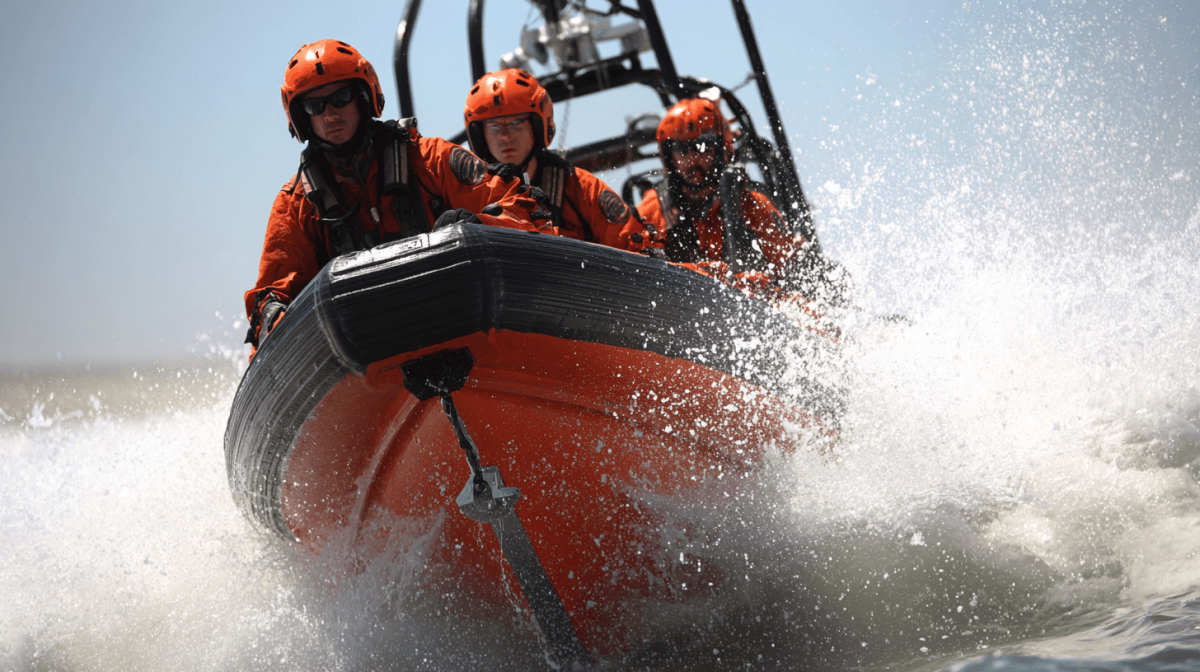
AI-generated image for: Coast Guard Seizes $33.9M Cocaine Shipment Off Ecuador

Coast Guard Seizes $33.9M Cocaine Shipment Off Ecuador

The U.S. Coast Guard Cutter Escanaba recently seized over 4,500 pounds of cocaine, valued at an estimated $33.9 million, during an operation in the Eastern Pacific Ocean off Ecuador. This interdiction highlights ongoing efforts to disrupt maritime drug trafficking routes feeding the United States.
Jump to The Flipside Perspectives

The U.S. Coast Guard has successfully intercepted a substantial cocaine shipment off the coast of Ecuador, preventing over 4,500 pounds of narcotics, estimated to be worth $33.9 million, from reaching illicit markets. The seizure, carried out by the USCGC Escanaba during a patrol in the Eastern Pacific near Manta, Ecuador, on Easter Sunday, April 5, 2026, marks another significant interdiction under Operation Pacific Viper.

"Operation Pacific Viper plays a central part of President Trump’s fight against the cartels at sea, cutting off their ability to make money." Markwayne Mullin, DHS Secretary

According to officials, the operation began when a U.S. maritime patrol aircraft detected suspicious activity, observing a suspected smuggling vessel dumping contraband overboard. The aircraft promptly alerted the USCGC Escanaba, which then deployed its helicopter and pursuit teams. These teams successfully located and recovered the floating cargo from the water. The seized narcotics, totaling approximately 4,510 pounds of cocaine, were subsequently brought aboard the cutter for processing and eventual destruction.

This interdiction is a component of Operation Pacific Viper, a comprehensive counter-drug campaign initiated in 2025. The operation focuses on disrupting maritime smuggling networks that actively operate across the Eastern Pacific, a region identified as one of the world's most active cocaine transit zones. The initiative involves a strategic surge of cutters, aircraft, and enhanced joint task force coordination to bolster interdiction capabilities.

Officials emphasize that the Eastern Pacific remains a crucial corridor for cocaine originating in South America. These shipments are frequently routed through or near Ecuador before continuing northward towards Central America and ultimately, the United States. The port city of Manta, Ecuador, has been repeatedly identified by intelligence agencies as a key transit point, utilized by traffickers who leverage both commercial shipping lanes and remote coastal routes for their illicit operations.

DHS Secretary Markwayne Mullin underscored the significance of these efforts, stating, "Operation Pacific Viper plays a central part of President Trump’s fight against the cartels at sea, cutting off their ability to make money." He further elaborated on the campaign's broader impact: "This operation has already seized over 215,000 pounds of cocaine and has arrested over 160 suspected narco-traffickers, with the Coast Guard working to keep these drugs out of American communities." These figures, cited in official statements based on DHS data, reflect the cumulative successes of Operation Pacific Viper since its inception.

The Escanaba's recent interdiction illustrates a broader strategic evolution in maritime enforcement. Modern drug seizures increasingly rely on sophisticated layered intelligence and real-time surveillance capabilities, moving beyond traditional routine patrol encounters. This advanced approach allows Coast Guard cutters to more efficiently target specific areas and suspected vessels, enhancing the effectiveness of interdiction missions.

While seizures of this magnitude remove substantial quantities of narcotics from circulation, analysts acknowledge that they also highlight the persistent and extensive nature of the trafficking networks operating throughout the Eastern Pacific. Cocaine production in South America continues to meet global demand, and enforcement agencies concede that only a fraction of total shipments are successfully intercepted at sea.

Nevertheless, officials maintain that maritime seizures impose significant costs on trafficking organizations. These costs include substantial financial losses, the necessity to reroute shipments, the expense of replacing lost product, and an increased risk of further detection and apprehension. Each intercepted load represents not only a direct financial blow but also a disruption to the intricate logistical chains that underpin international smuggling operations.

As Operation Pacific Viper continues to expand its patrols and intelligence-gathering efforts across the Eastern Pacific, the Escanaba's recent seizure serves as a concrete example of how maritime enforcement remains a critical frontier in the ongoing effort to disrupt drug flows long before they reach U.S. shores and communities.

Advertisement

The Flipside: Different Perspectives

Progressive View

From a progressive viewpoint, while the seizure of a large cocaine shipment is a positive outcome in terms of immediate harm reduction, it also highlights the persistent and complex challenges of the global drug trade. Progressives argue that such interdictions, while necessary, address only one symptom of a deeper, systemic issue. A more comprehensive approach would involve addressing the root causes of drug production and trafficking, such as poverty, lack of economic opportunity, and political instability in source countries. Furthermore, demand reduction strategies within the United States, including expanded access to addiction treatment, harm reduction services, and public health initiatives, are crucial. Progressives often advocate for re-evaluating punitive drug policies that have disproportionately affected marginalized communities, instead favoring approaches that prioritize public health and social justice. They suggest that focusing solely on enforcement without addressing the socioeconomic drivers of drug supply and demand will lead to a continuous cycle of seizures without fundamentally altering the drug trade's resilience. International cooperation, beyond just interdiction, to support sustainable development and reduce corruption in affected regions is also seen as vital.

Conservative View

From a conservative perspective, the seizure of a $33.9 million cocaine shipment by the U.S. Coast Guard is a clear victory in the fight against international drug trafficking and a testament to robust law enforcement. This operation aligns with core conservative principles emphasizing national security, border protection, and the rule of law. Strong enforcement actions like Operation Pacific Viper are seen as essential to protect American communities from the devastating effects of illegal drugs, which undermine public safety and individual well-being. Conservatives advocate for increased funding and resources for agencies like the Coast Guard and DHS, recognizing their critical role in interdicting contraband before it reaches U.S. borders. This proactive approach at sea is viewed as a cost-effective method to disrupt criminal organizations, imposing significant financial and logistical burdens on cartels. Furthermore, it reinforces the idea that a strong national defense extends beyond traditional military roles to include comprehensive efforts against transnational crime. This action demonstrates President Trump's commitment to securing the nation and holding criminals accountable, emphasizing personal responsibility for criminal acts rather than focusing on societal factors.

Common Ground

Despite differing approaches, there are genuine areas of common ground regarding drug interdiction efforts. Both conservatives and progressives can agree on the importance of reducing the availability of illicit drugs within American communities and protecting citizens from the dangers posed by drug trafficking. There is shared recognition of the need to disrupt powerful criminal organizations and cartels that profit from human suffering and destabilize regions. Both sides can support effective, intelligence-driven law enforcement operations that prevent large quantities of drugs from reaching U.S. shores. Furthermore, there is bipartisan agreement on the value of international cooperation to combat transnational crime, even if the scope and nature of that cooperation may differ. Investing in the safety and security of Coast Guard personnel and providing them with the necessary resources to perform their dangerous duties is also a shared priority. Ultimately, the goal of creating safer, healthier communities free from the pervasive influence of illegal narcotics is a common objective.

What's your view on this story? Share your thoughts and remember to consider multiple perspectives and being respectful when forming and voicing your opinion. "If you resort to personal attacks, you have already lost the debate..."

Advertisement

Contact Us About This Article

Have a question or comment about this article? We'd love to hear from you.

About Fair Side News

At Fair Side News, we believe in presenting news with perspectives from both sides of the political spectrum. Our goal is to help readers understand different viewpoints and find common ground on important issues.