


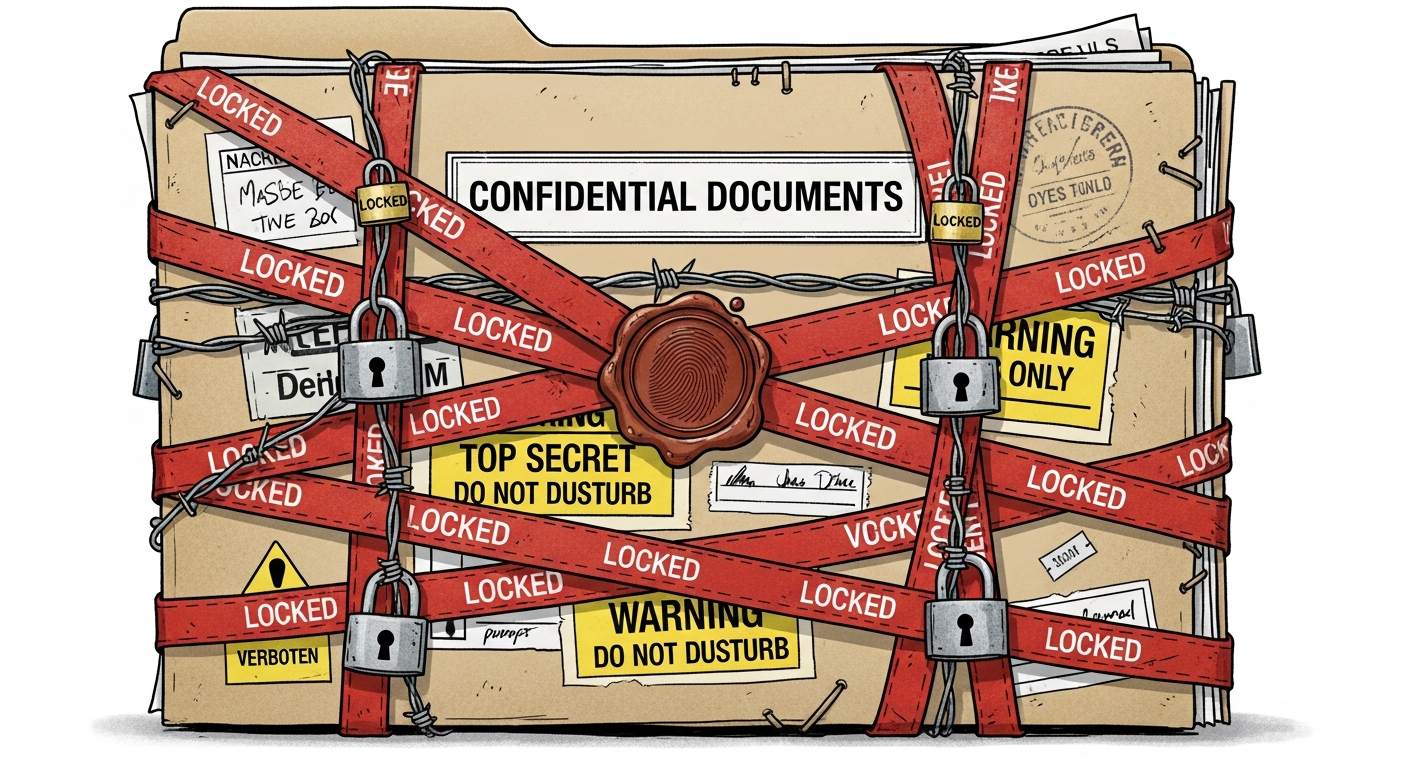
A reported suicide note purportedly written by financier Jeffrey Epstein has drawn renewed public and legal attention after his former cellmate claimed to have discovered it following an earlier incident inside a federal detention facility. The document, which has been part of a sealed case file for years, continues to be withheld from public scrutiny despite ongoing efforts to unseal it.
According to reports, including those cited by The New York Times, the alleged note was discovered by Nicholas Tartaglione, who shared a cell with Epstein in the Metropolitan Correctional Center (MCC) in New York City in July 2019. Tartaglione stated he found the note shortly after Epstein was discovered injured in his cell on July 23, 2019, an incident authorities initially described as a possible suicide attempt. The note was reportedly written on yellow legal pad paper and concealed inside a book within their shared cell.
Tartaglione later publicly described some of the note's alleged contents, claiming it included references to the ongoing FBI investigation into Epstein's activities. He also stated that the note contained a phrase questioning his predicament, reportedly reading, "What do you want me to do? Cry about it?" Tartaglione further indicated that the note concluded with a phrase suggesting a sense of finality. However, the authenticity and full context of the note remain unverified due to its sealed status.
The existence of such a note adds another layer of complexity to the circumstances surrounding Epstein's death. Federal prosecutors have stated they were not aware of any suicide note written by Epstein at the time of his death on August 10, 2019. This assertion, however, contrasts with internal Justice Department records which reportedly referenced the note's existence. These internal documents, according to reports, included a timeline entry indicating that Tartaglione found the note between July 23 and July 27, 2019.
The timeline of events leading up to Epstein's death has been a subject of intense scrutiny since his passing. On July 23, 2019, Epstein was found on the floor of his cell with injuries to his neck, and a makeshift noose was reportedly present. A Bureau of Prisons report detailed the discovery, noting visible marks around his neck. Initially, Epstein suggested his cellmate might have harmed him but later claimed he could not recall what had occurred. Tartaglione has consistently denied any involvement in that incident.
Following this event, Epstein was placed on suicide watch and underwent a psychological evaluation. During this evaluation, Epstein reportedly denied any suicidal intent or past attempts, telling staff he had "no interest in killing" himself and intended to continue fighting his extensive legal case. He was subsequently removed from suicide watch but remained under observation within the facility. Less than three weeks later, on August 10, 2019, Epstein was found dead in his cell. His death was officially ruled a suicide by hanging by the New York Medical Examiner’s Office, a conclusion that the Justice Department supported, as reported by ABC News.
The alleged suicide note, if authentic, could potentially offer critical insights into Epstein's state of mind during the weeks preceding his death. Its continued sealing means that investigators scrutinizing his death, as well as the public, have lacked access to what could be a significant piece of evidence. The document is currently part of a sealed case file related to Tartaglione’s own criminal proceedings, and access remains restricted. Tartaglione’s attorney has declined to comment on the matter, citing the sealed nature of the case.
A federal judge has ordered responses to a request to unseal the material, setting a deadline for early May. Efforts to make the document public are ongoing, with proponents arguing that its release is essential for full transparency and to address persistent questions surrounding Epstein's death. Any potential release of the note could introduce new details into a case that has continued to generate widespread public interest and speculation years after the events transpired. The sealing of such a potentially pivotal document highlights broader discussions about transparency in the federal justice system, particularly in high-profile cases involving individuals connected to powerful networks.

