


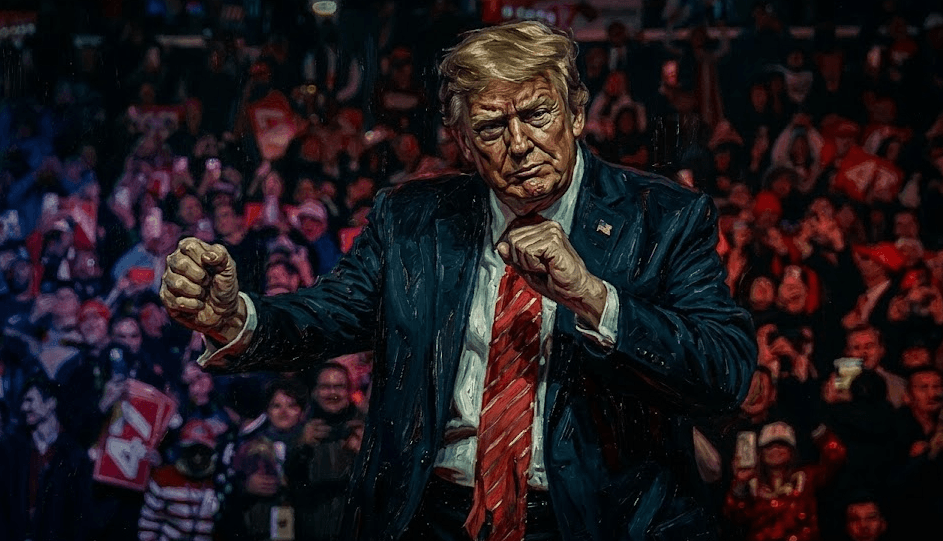
President Donald Trump recently shared a lighthearted anecdote with supporters in Florida, revealing that First Lady Melania Trump has expressed disapproval of his well-known dance to the 1978 hit "YMCA" by the Village People. President Trump humorously recounted his wife's reservations, stating, "She hates when I dance to what’s sometimes referred to as the gay national anthem," while quickly adding, "We love that song." This public admission offers a glimpse into the dynamic between the President's characteristic rally performances and the private opinions of those closest to him.
The "YMCA" dance has become a distinctive feature of President Trump's campaign events and rallies, often seeing him sway and gesture on stage as the song plays. His use of the track has been consistent, dating back to his campaign appearances leading into the 2024 election cycle. President Trump himself has previously claimed that his frequent use of the song contributed to a resurgence in its popularity, noting its commercial success decades after its initial release, including hitting the No. 1 spot in November 2024.
First Lady Melania Trump's perspective on the dance is not entirely new. In a January interview, she had previously commented on the routine, stating that she only appreciates the performance "at certain times" and advised him that it is "not always appropriate." She further described his dancing as "not presidential," though she acknowledged that supporters genuinely enjoy it. Despite these reservations, President Trump has continued to incorporate the dance into his public appearances, signaling no immediate plans to alter the routine. This persistence underscores how certain campaign traditions can become defining elements of a political figure's image, even amidst varied internal and external reactions.
The song "YMCA" itself carries a rich cultural history and diverse interpretations. Released in 1978, it quickly became a global disco anthem. Over time, it has been widely associated with gay culture, largely due to the Village People's origins in New York City's Greenwich Village and the historical role of YMCA facilities as gathering spaces for some members of the LGBTQ+ community. However, this interpretation has also faced pushback. Victor Willis, a co-writer of the song and the original police officer character in the Village People, has consistently rejected the notion that the song was written as a message about sexuality. Willis has publicly stated that the song's lyrics were not intended to convey a specific message about gay identity and has pushed back against claims regarding its meaning. He has also confirmed that President Trump's campaign obtained the necessary licenses to use the track, though he has described its continued use as a "nuisance."
The Village People themselves have navigated a complex relationship with political affiliations and their fan base regarding the song's use. The group performed at events associated with President Trump's inauguration in 2025, a decision that drew criticism from segments of their long-standing fan base. Some former members publicly objected to the performance, while others associated with the group maintained that music should be performed regardless of political context or the affiliations of the event hosts. This mixed approach highlights the broader tension between artistic expression, political endorsement, and audience expectations.
President Trump's continued use of "YMCA" and his accompanying dance remains a prominent feature of his rallies. It has evolved into one of his most recognizable campaign traits, frequently eliciting crowd participation and generating significant attention across social media platforms. While some critics may question the optics or cultural sensitivity of the routine, supporters often view it as an integral part of his informal, unconventional style and a key element of his direct connection with audiences. The President's recent comments about First Lady Melania Trump's reaction further emphasize the contrast between his public persona, which embraces popular cultural touchstones, and the more private, candid feedback from those within his inner circle. This dynamic illustrates the deliberate choices made in cultivating a political image and the ongoing negotiation of public perception.

