

Breaking
Sponsor Advertisement
Spirit Airlines Halts Operations After Bailout Fails
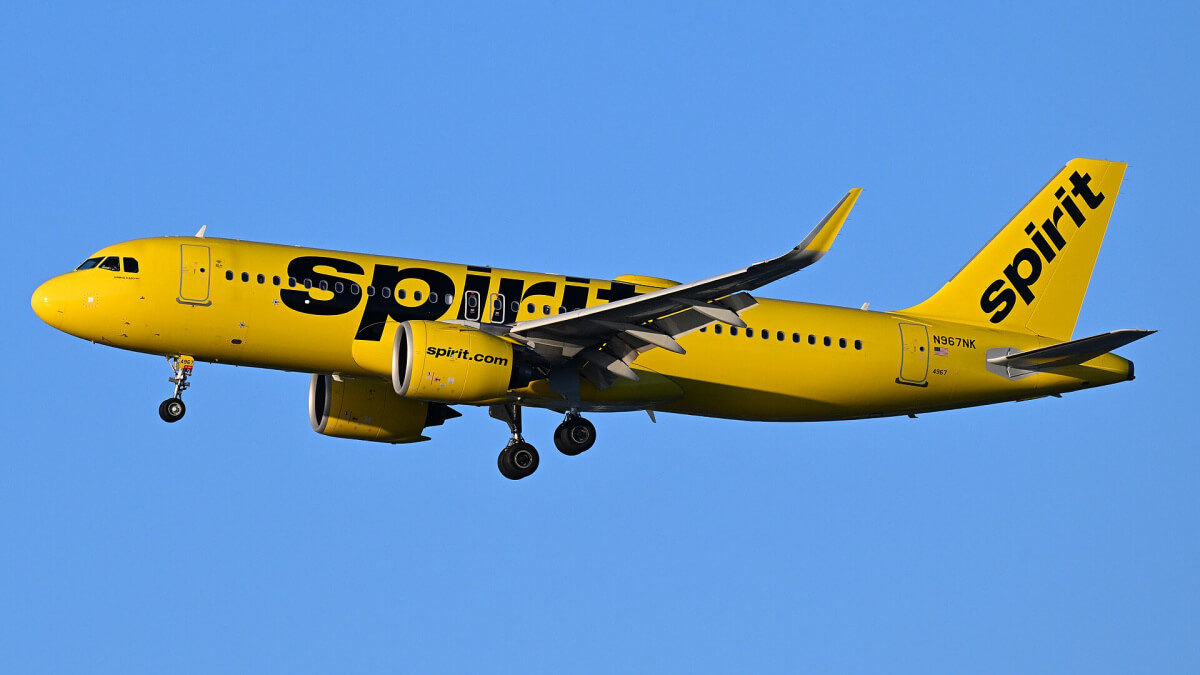
Spirit Airlines Airbus A320neo N967NK on final approach to Runway 27 at Boston Logan International Airport - Credit: 4300streetcar

Spirit Airlines Halts Operations After Bailout Fails

Spirit Airlines is ceasing operations at 3 a.m. on Saturday, May 1, 2026, after failing to secure a crucial $500 million financial lifeline. This shutdown is expected to strand thousands of passengers nationwide and impact over 14,000 employees.
Jump to The Flipside Perspectives

Spirit Airlines is set to halt all operations at 3 a.m. on Saturday, May 1, 2026, following the failure to secure a critical $500 million financial lifeline. The budget carrier, which initiated flights in 1990, had been operating under Chapter 11 bankruptcy protection since filing twice between November 2024 and August 2025. This impending shutdown is expected to strand thousands of passengers across the United States and directly impact more than 14,000 employees.

"If we can help them, we will. But we have to come first. We’re first." — President Donald Trump

According to reporting cited by The Wall Street Journal and CBS News, the airline was unable to finalize a bailout deal due to insufficient support from bondholders and the federal government. This lack of agreement leaves the company without the necessary capital to continue operations, leading to an abrupt cessation of flights. The immediate concern revolves around the thousands of travelers who may find themselves stranded at airports without viable alternatives as flights cease. Adding to the confusion, Spirit's website continued to allow customers to book flights in the lead-up to the reported cutoff time, potentially misleading travelers unaware of the airline's precarious financial state.

Spirit Airlines has faced prolonged financial strain, exacerbated by a combination of factors. The airline's restructuring plan, implemented during its Chapter 11 proceedings, relied on stable fuel prices and maintaining high passenger capacity. However, these assumptions did not materialize. Jet fuel costs have surged significantly, particularly following the escalation of the Iran conflict, dramatically increasing the airline's operating expenses. Concurrently, Spirit’s passenger capacity fell short of expectations, averaging around 74% instead of the projected 80%, which critically reduced revenue at a time when financial stability was paramount.

The company actively sought government intervention, attempting to negotiate a bailout with the administration of President Donald Trump. However, these negotiations were reportedly stalled by internal disagreements over funding terms and concerns raised by some bondholders. These creditors opposed the proposed rescue plan, arguing it would negatively affect their financial positions. President Donald Trump publicly addressed the situation, signaling conditional support for a rescue effort but emphasizing that any deal must prioritize U.S. interests. "If we can help them, we will. But we have to come first. We’re first," President Trump stated, as reported by the Daily Mail. Without a finalized agreement that satisfied both government conditions and bondholder concerns, Spirit appears unable to continue its operations.

The operational disruption stemming from a sudden shutdown could lead to significant logistical challenges across the nation's airports. Industry analysts have warned that abrupt airline collapses frequently trigger overcrowded terminals, widespread flight cancellations, and limited availability on other airlines as stranded passengers scramble to rebook travel. This situation could result in long lines, disputes over refunds, and strained airport resources, further complicating travel for potentially hundreds of thousands of individuals.

Beyond the immediate impact on passengers, the collapse of Spirit Airlines carries broader economic implications. Over 14,000 employees face sudden job uncertainty, contributing to potential economic instability in the affected regions. Furthermore, the low-cost airline market could experience a notable reduction in competition. Spirit Airlines played a significant role in offering more affordable fares on many routes, and its exit could lead to higher prices and reduced options for consumers, particularly on routes where the airline was a dominant budget provider.

As the deadline approaches, the situation remains fluid, but without last-minute emergency funding or a sudden agreement, Spirit’s operations are expected to cease as scheduled. Passengers with upcoming flights on Spirit Airlines are strongly advised to seek alternative travel arrangements immediately to mitigate disruptions.

Advertisement

The Flipside: Different Perspectives

Progressive View

The impending collapse of Spirit Airlines highlights critical issues concerning worker protections, consumer rights, and the role of government in safeguarding essential services and preventing economic shocks. The loss of over 14,000 jobs represents a significant blow to working families and communities, particularly without a robust social safety net or retraining programs in place. The immediate stranding of thousands of passengers, many of whom rely on low-cost carriers for affordable travel, points to a systemic failure to protect consumers from abrupt service disruptions.

From a progressive standpoint, while market forces are at play, the government has a responsibility to intervene when a company's failure has such widespread societal impact. The escalating Iran conflict, which contributed to soaring jet fuel costs, is a geopolitical factor beyond the airline's direct control, suggesting that external systemic issues can destabilize even well-managed businesses. A more proactive and comprehensive government response, potentially including conditional loans or bridge financing, could have prioritized job retention and minimized passenger disruption. This situation underscores the need for policies that ensure market stability, protect workers from sudden unemployment, and guarantee access to affordable travel options, rather than allowing unfettered market dynamics to create widespread hardship and reduce competition in critical sectors.

Conservative View

The cessation of Spirit Airlines’ operations underscores the fundamental principles of free-market capitalism and limited government intervention. While the immediate impact on passengers and employees is regrettable, the failure of a private enterprise to remain solvent, even with attempts at a government bailout, demonstrates that market forces ultimately dictate economic viability. Bondholders, as private investors, have a right to protect their financial interests, and their reluctance to support a deal they deemed unfavorable highlights their fiduciary responsibility.

From a conservative perspective, government bailouts, while sometimes politically expedient, can distort markets, create moral hazard, and burden taxpayers. President Trump's stance, prioritizing "U.S. first" and setting conditions for aid, reflects a prudent approach to taxpayer money, ensuring that any intervention serves a national interest rather than simply propping up a failing company. The airline's financial woes, stemming from rising fuel costs and lower-than-expected capacity, are inherent business risks that companies must manage. Allowing market correction, though painful in the short term, fosters greater long-term economic resilience and innovation, preventing the creation of an entitlement mentality within industries. This event reinforces the idea that personal responsibility extends to businesses and their financial decisions, and that market discipline is essential for a healthy economy.

Common Ground

Despite differing perspectives on the role of government intervention, there are clear areas of common ground regarding the Spirit Airlines situation. All stakeholders can agree on the urgent need to minimize disruption for stranded passengers, ensuring they have access to information and assistance in rebooking their travel. There is also shared concern for the welfare of the over 14,000 employees facing sudden unemployment, with a collective interest in exploring mechanisms to support them through this transition, whether through unemployment benefits, job placement services, or retraining initiatives.

Furthermore, both sides recognize the importance of market stability and competition within the aviation industry. While conservatives emphasize market-driven competition, and progressives focus on accessible, affordable travel, both benefit from a healthy, competitive airline sector. Transparency for consumers, especially regarding the financial health of airlines and the risks associated with booking, is another shared value. This event provides an opportunity to review and potentially strengthen regulations that ensure airlines provide timely information to customers about their operational status, preventing future instances of passengers booking flights just hours before a shutdown.

What's your view on this story? Share your thoughts and remember to consider multiple perspectives and being respectful when forming and voicing your opinion. "If you resort to personal attacks, you have already lost the debate..."

Advertisement

Contact Us About This Article

Have a question or comment about this article? We'd love to hear from you.

About Fair Side News

At Fair Side News, we believe in presenting news with perspectives from both sides of the political spectrum. Our goal is to help readers understand different viewpoints and find common ground on important issues.