

Breaking
Sponsor Advertisement
Texas Declares Disaster Over Screwworm Outbreak
Image for: Texas Declares Disaster Over Screwworm Outbreak

Texas Declares Disaster Over Screwworm Outbreak

Texas Governor Greg Abbott has issued a statewide disaster declaration following the confirmation of a second New World screwworm parasite case in South Texas. This marks the first U.S.
Jump to The Flipside Perspectives

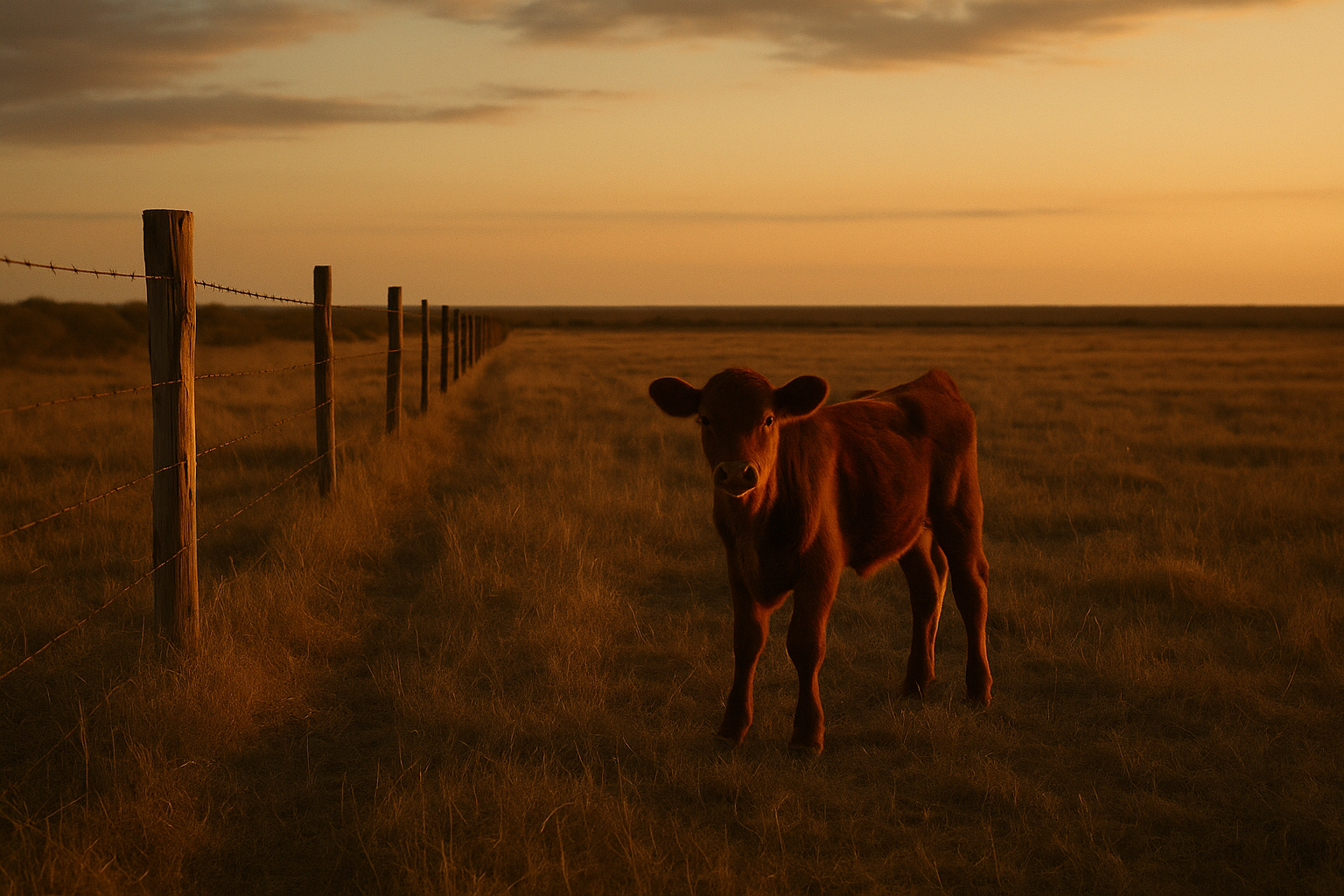
Texas Governor Greg Abbott has declared a statewide disaster after authorities confirmed a second case of the New World screwworm parasite in a calf in Zavala County on June 5. This discovery, following an initial case identified on June 3 in a three-week-old calf near La Pryor, approximately 30 miles from the Mexican border, marks the first known U.S. outbreak of the destructive parasite in decades. The declaration mobilizes state resources and enhances coordination among agencies to prevent the screwworm's spread into Texas's substantial livestock industry.

"This pest poses a significant threat to Texas livestock, wildlife, and the broader agricultural economy." — State Officials

The New World screwworm (Cochliomyia hominivorax) is a highly damaging livestock parasite. Unlike typical fly larvae that feed on decaying tissue, screwworm larvae consume living flesh, causing deep, festering wounds that can lead to severe infection, permanent injury, or death if left untreated. The first infected calf was found near La Pryor, and the second, about one month old, was located approximately 5.6 miles away, indicating a localized but concerning presence.

The rapid response from state and federal agencies underscores the gravity of the threat. Governor Abbott's disaster declaration authorizes the deployment of state resources, prioritizes emergency response efforts, and strengthens inter-agency collaboration. "This pest poses a significant threat to Texas livestock, wildlife, and the broader agricultural economy," state officials affirmed as containment operations scaled up.

A 20-kilometer quarantine zone has been established, encompassing parts of Zavala and Uvalde counties. Within this zone, movement restrictions are now in effect for livestock, wildlife carcasses, and any other warm-blooded animals that could potentially facilitate the parasite's spread. These measures are critical to isolating the current infestation and preventing its expansion.


The United States successfully eradicated the New World screwworm in 1966 through a massive federal campaign. This effort largely relied on the Sterile Insect Technique (SIT), a method where millions of male screwworm flies are bred in specialized facilities, sterilized using radiation, and subsequently released into the wild. Since female screwworm flies mate only once, breeding with sterile males results in no viable offspring, gradually leading to a collapse of the wild population.

State and federal officials are once again employing the SIT strategy. Facilities in Texas are actively producing and releasing millions of sterile flies weekly to disrupt the parasite's reproductive cycle and halt its advance. Additionally, more than 8,000 monitoring traps have been strategically placed along the southern border to detect any further infestations.

Agricultural experts have warned about the potential for devastating consequences should this outbreak become uncontrolled. Before the successful eradication efforts in the 1960s, screwworm infestations were responsible for significant livestock losses across the southern United States. Animals frequently suffered extensive tissue damage, substantial weight loss, secondary infections, and often death. Wildlife populations were also severely affected, with historical outbreaks in Texas causing mortality rates exceeding 50 percent among white-tailed deer and other game species in some areas.

The current outbreak follows a northward migration of the parasite, which began around 2023, moving through South America, Central America, and Mexico. Texas, being the leading state in cattle production nationwide, is particularly vulnerable to the economic disruption that a widespread infestation could inflict.

The Texas Animal Health Commission (TAHC) and the Texas Parks and Wildlife Department (TPWD) are spearheading the response through a specialized New World Screwworm Response Team. Officials are urging ranchers, veterinarians, hunters, and all animal owners to meticulously inspect their animals for any unusual wounds, signs of larvae, or other indications of infection. Prompt reporting of any suspected cases is considered crucial to the success of the containment efforts. While the outbreak currently remains limited to two confirmed cases, authorities emphasize that aggressive and coordinated containment measures are vital to avert a larger crisis for Texas agriculture and livestock producers across the nation.

Advertisement

The Flipside: Different Perspectives

Progressive View

The re-appearance of the New World screwworm in Texas highlights the interconnectedness of environmental health, public welfare, and economic stability. From a progressive viewpoint, this outbreak is a serious public health and ecological concern that demands a comprehensive, collective response. While the immediate threat is to livestock, an uncontrolled spread could have broader environmental impacts on wildlife populations and significant economic repercussions for the many families and communities dependent on the agricultural industry.

Governor Abbott's disaster declaration is a necessary step, demonstrating the vital role of government in protecting shared resources and ensuring the well-being of its citizens and ecosystems. The reliance on the Sterile Insect Technique, a testament to scientific innovation and collective action, underscores the importance of investing in research and public programs that benefit everyone. This situation calls for robust federal-state cooperation, ensuring that all available resources are mobilized to protect vulnerable animal populations and the livelihoods of ranchers. It also prompts reflection on how climate change and global trade patterns might contribute to the spread of such parasites, necessitating proactive, preventative strategies that prioritize environmental stewardship and community resilience. Empathy for affected ranchers and a commitment to preventing future outbreaks through collaborative, science-driven solutions are paramount.

Conservative View

The re-emergence of the New World screwworm in Texas represents a clear and present danger to the state's vital agricultural sector, particularly its cattle industry. From a conservative perspective, this situation underscores the critical need for swift, decisive government action focused on protecting private property and economic stability. Governor Abbott's disaster declaration is a commendable exercise of executive authority to safeguard Texas's leading agricultural industry, which is a cornerstone of the state's economy and contributes significantly to the national food supply.

The emphasis should be on efficient resource deployment and minimizing bureaucratic red tape to allow ranchers and state agencies to effectively combat the parasite. The Sterile Insect Technique, a proven method, exemplifies a practical, science-based approach to problem-solving without excessive regulatory burden. Protecting livestock from such a threat is not merely an economic issue but also a matter of food security and the responsible stewardship of natural resources. This situation highlights the importance of strong border security measures, as the parasite's northward migration from Mexico suggests potential vulnerabilities that could impact national agricultural health. The focus must remain on rapid containment, supporting affected ranchers, and ensuring that government intervention is targeted and effective, rather than expanding its scope beyond the immediate crisis.

Common Ground

The re-emergence of the New World screwworm in Texas presents a clear and immediate threat that transcends political divides, uniting stakeholders in a common goal: eradication. Both conservatives and progressives can agree on the paramount importance of protecting the state's agriculture and wildlife, which are crucial for both economic prosperity and ecological balance. The swift action taken by Governor Abbott and the collaborative efforts between state and federal agencies demonstrate a shared commitment to public safety and economic stability.

The use of the Sterile Insect Technique (SIT) is a prime example of a science-backed, practical solution that garners bipartisan support. It is an efficient, targeted approach to pest control that avoids broad chemical applications, appealing to both those who prioritize fiscal responsibility and those concerned with environmental impact. Protecting the livestock industry is vital for food security and the livelihoods of countless Texans, a shared value across the political spectrum. Furthermore, the need for robust monitoring and rapid response systems at the border to prevent future incursions of such threats is a point of agreement, emphasizing the importance of effective governance in safeguarding national interests. Collaborative efforts, resource allocation, and a focus on proven scientific methods are key to successfully addressing this challenge.

What's your view on this story? Share your thoughts and remember to consider multiple perspectives and being respectful when forming and voicing your opinion. "If you resort to personal attacks, you have already lost the debate..."

Advertisement

Contact Us About This Article

Have a question or comment about this article? We'd love to hear from you.

About Fair Side News

At Fair Side News, we believe in presenting news with perspectives from both sides of the political spectrum. Our goal is to help readers understand different viewpoints and find common ground on important issues.