

Breaking
Sponsor Advertisement
Carlson Declares Break From Republican Party Over Foreign Policy
Image for: Carlson Declares Break From Republican Party Over Foreign Policy

Carlson Declares Break From Republican Party Over Foreign Policy

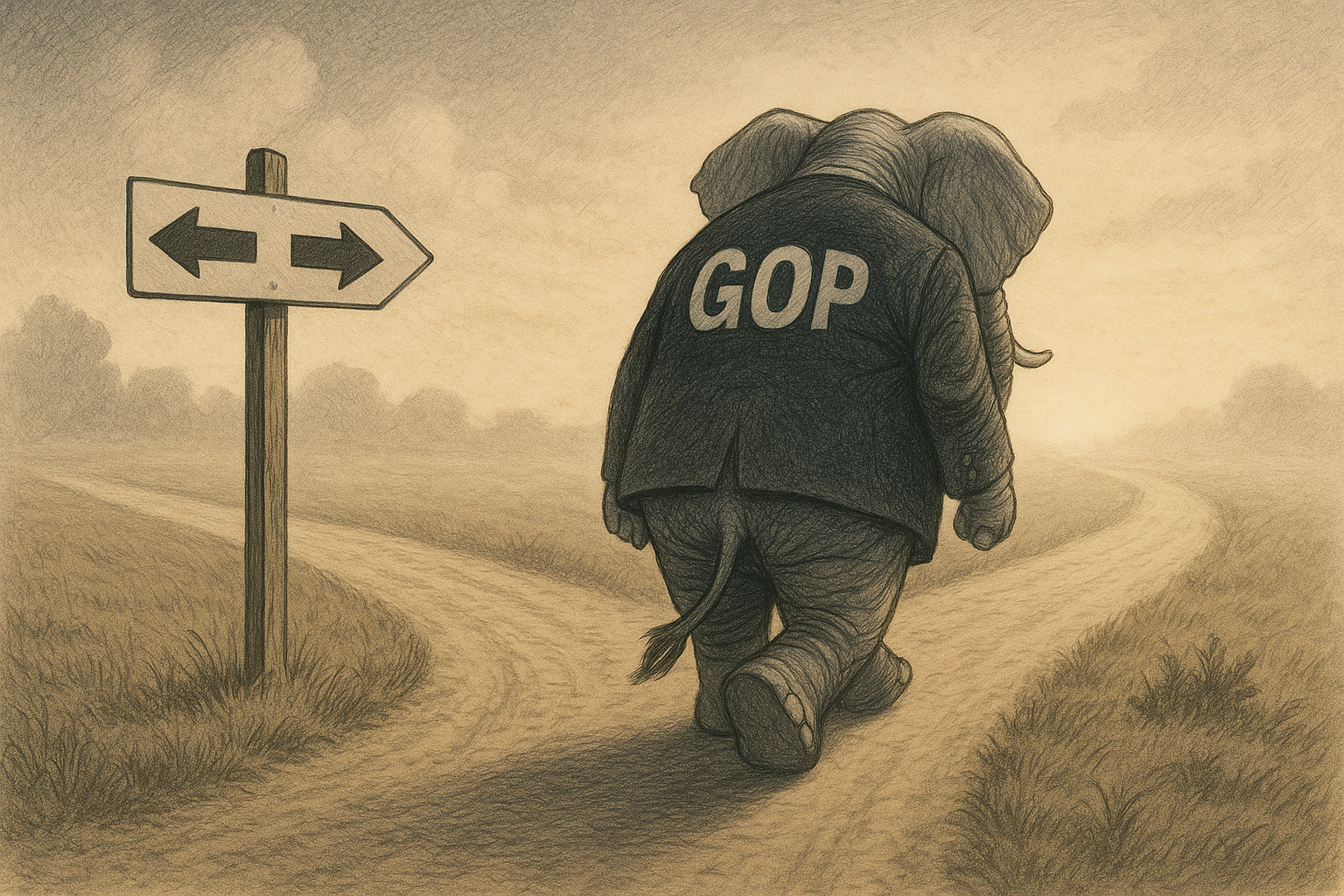
Conservative commentator Tucker Carlson announced he is no longer politically aligned with the Republican Party, citing a divergence in foreign policy priorities and a perceived gap between party leadership and voter concerns.
Jump to The Flipside Perspectives

Conservative commentator Tucker Carlson has publicly declared he will no longer politically support the Republican Party, signaling a significant shift in his long-standing alignment with the GOP. Carlson made his remarks during an appearance on the "Can't Be Censored" podcast, where he articulated his decision to break with the party over what he described as evolving priorities in U.S. foreign policy and national interests. He clarified that this move does not signify an alignment with the Democratic Party, nor does it indicate a shift to any alternative political affiliation, but rather a rejection of both major parties.

"I would not support the Republican Party. There's no chance I would support the Republican Party. How could I support a political party that is not loyal to the United States? There is no defending this. I'm out." — Tucker Carlson, Commentator

Carlson’s decision, which he characterized as the culmination of a widening gap between Republican leadership and the priorities of American voters, follows decades of supporting Republican candidates and causes. He stated his belief that the party has strayed from its core responsibility to represent American voters first. A key point of his criticism was the Republican Party's stance on U.S. policy toward Israel and Iran, arguing that the party’s foreign policy focus has drifted toward objectives he believes come at the expense of domestic economic concerns and the immediate needs of American citizens.

His comments align with broader frustrations he has voiced in recent months regarding the overall direction of U.S. foreign policy, particularly concerning Middle East conflicts and military engagements abroad. Carlson contended that current policy debates have become increasingly disconnected from the everyday economic and domestic challenges facing American voters, attributing this shift to a longer-term decline in accountability within political leadership.

This development surfaces amid ongoing friction between Carlson and various figures within Republican leadership, including President Donald Trump. President Trump has previously criticized Carlson’s remarks and publicly disagreed with aspects of his commentary. Carlson, who was once closely associated with the MAGA movement, has increasingly diverged from party leadership on critical debates surrounding foreign policy, national security priorities, and the extent of U.S. military involvement overseas.

The commentator's public disavowal of the Republican Party also underscores deeper divisions within the conservative movement concerning U.S. foreign policy direction. For instance, former Rep. Marjorie Taylor Greene (R-GA) has similarly voiced criticisms of certain Republican foreign policy positions, particularly regarding overseas military involvement. This reflects an ongoing internal party debate about the appropriate balance between international commitments and pressing domestic priorities, according to reports from The Independent.

Polling data cited in multiple reports indicates a significant degree of skepticism among Americans regarding continued overseas military involvement, especially concerning tensions with Iran. These findings have become a focal point for conservative commentators who advocate for the Republican Party to reassess its foreign policy direction in light of prevailing voter sentiment.

The White House, in response to such criticisms, has consistently defended its foreign policy decisions. Officials maintain that current strategies are based on comprehensive national security considerations rather than being influenced by media narratives or fluctuations in public opinion polls. They assert that the nation's foreign policy is guided by long-term geopolitical interests, distinct from internal party disputes or commentary from political media figures.

Carlson’s remarks contribute to the existing divisions within the Republican coalition as foreign policy debates continue to fuel internal party tensions leading into the next election cycle. His statements also highlight the growing uncertainty surrounding the extent to which influential media personalities may continue to shape voter sentiment and influence the ideological trajectory within the broader conservative movement. The impact of such a high-profile break from party loyalty remains a subject of considerable discussion.

Advertisement

The Flipside: Different Perspectives

Progressive View

Progressives often view the debate over U.S. foreign policy through a lens of global cooperation, human rights, and the interconnectedness of international systems. While Carlson's critique focuses on domestic impact, a progressive analysis might contextualize current foreign policy challenges within a broader framework of historical U.S. interventions, corporate influence, and the need for systemic change. Progressives might agree that foreign policy should not neglect domestic needs, but they would also emphasize that responsible global engagement is crucial for collective well-being and stability, preventing larger crises that could eventually impact the U.S. They might argue that a non-interventionist stance, if not carefully managed, could lead to a vacuum filled by hostile actors or exacerbate humanitarian crises. Concerns about U.S. policy towards regions like the Middle East often center on the ethical implications of military action, the promotion of democracy and human rights, and the need for diplomatic solutions over military ones. From this perspective, Carlson’s comments highlight a bipartisan failure to adequately address the root causes of global instability and to ensure that foreign policy genuinely serves the interests of all people, not just a select few.

Conservative View

From a conservative perspective, Tucker Carlson's decision to withdraw political support from the Republican Party reflects a principled stand rooted in prioritizing national interest and fiscal responsibility. Many conservatives argue that the party has, in recent decades, become overly entangled in foreign interventions and international commitments that do not directly serve American interests or benefit the nation's citizens. This viewpoint emphasizes that a truly conservative foreign policy should be non-interventionist, focusing on strong national defense while avoiding costly and open-ended military engagements abroad. The financial burden of overseas conflicts is often seen as a drain on domestic resources that could otherwise be used to strengthen the economy, reduce the national debt, or address internal infrastructure needs. Carlson's critique of policies towards Israel and Iran, for instance, resonates with those who believe U.S. foreign policy should be dictated by what is best for American workers and taxpayers, not by the interests of foreign nations or an entrenched D.C. establishment. This perspective champions individual liberty by advocating for a government that limits its global reach to better protect the freedoms and economic well-being of its own citizens.

Common Ground

Despite ideological differences, there are areas of common ground between conservatives and progressives regarding U.S. foreign policy, particularly as highlighted by Carlson's critique. Both sides can agree on the importance of scrutinizing military spending and ensuring that taxpayer dollars are used efficiently and effectively. There is a shared concern across the political spectrum about the human and financial costs of prolonged overseas military engagements and a desire to avoid "endless wars." Both conservatives and progressives can find common cause in prioritizing the well-being of American citizens and ensuring that foreign policy decisions do not unduly burden domestic economic stability or neglect critical national infrastructure. A focus on diplomacy, strategic alliances, and clear national interests, rather than ideological crusades, could be a shared objective. Furthermore, a desire for greater accountability and transparency in foreign policy decision-making, ensuring that decisions reflect the will of the people rather than special interests, is a sentiment that resonates with a broad base of Americans.

What's your view on this story? Share your thoughts and remember to consider multiple perspectives and being respectful when forming and voicing your opinion. "If you resort to personal attacks, you have already lost the debate..."

Advertisement

Contact Us About This Article

Have a question or comment about this article? We'd love to hear from you.

About Fair Side News

At Fair Side News, we believe in presenting news with perspectives from both sides of the political spectrum. Our goal is to help readers understand different viewpoints and find common ground on important issues.