

Breaking
Sponsor Advertisement
FBI Employee Sues Over Pride Flag Firing
Image for: FBI Employee Sues Over Pride Flag Firing

FBI Employee Sues Over Pride Flag Firing

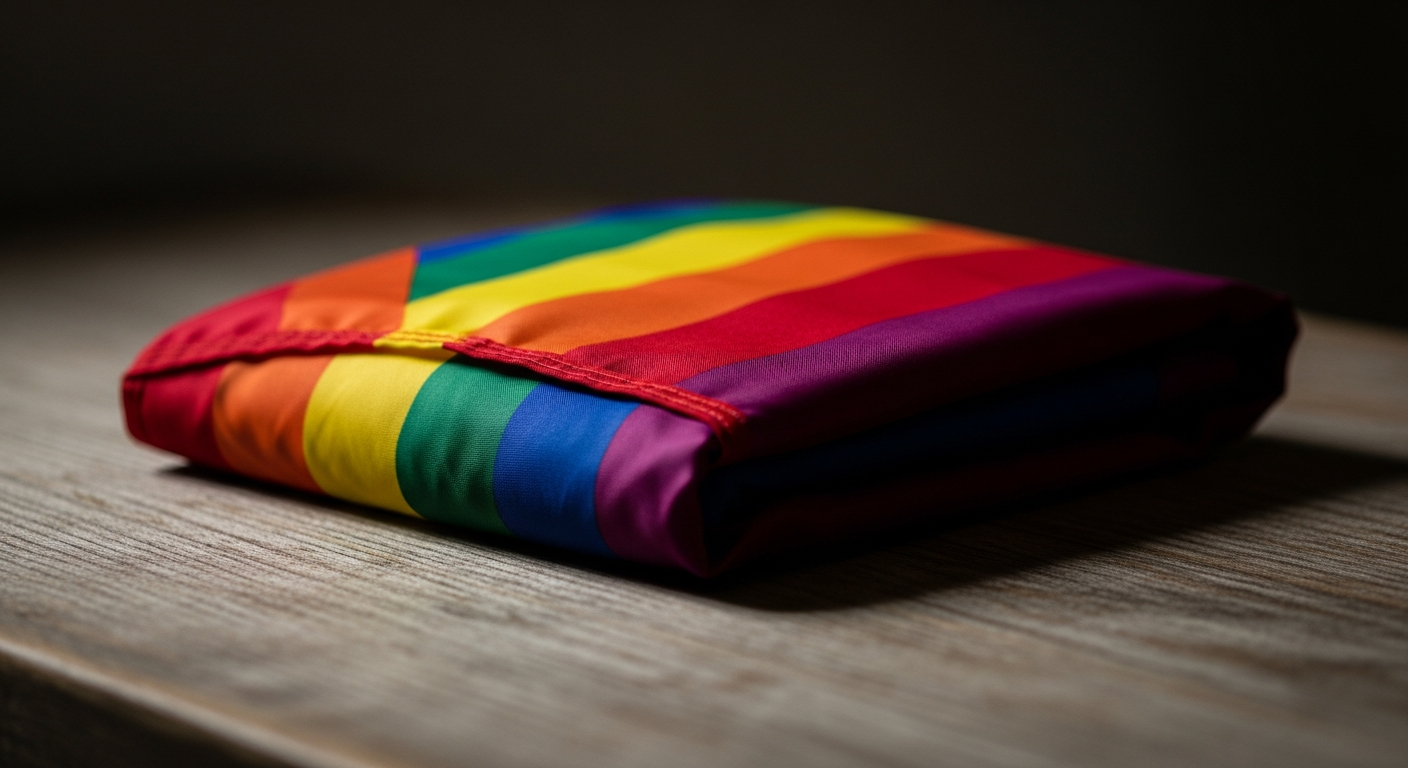
A longtime FBI employee has filed a federal lawsuit alleging he was unlawfully terminated for displaying a Pride flag near his workspace. The complaint claims the dismissal by FBI Director Kash Patel violated his First Amendment rights regarding protected expression.
Jump to The Flipside Perspectives

A 16-year veteran of the Federal Bureau of Investigation (FBI), David Maltinsky, has filed a federal lawsuit alleging he was unlawfully terminated from his position after displaying a Pride flag near his workspace at the FBI’s Los Angeles field office. The complaint, filed in the US District Court for the District of Columbia, names FBI Director Kash Patel as having signed the termination letter. Maltinsky was reportedly weeks away from becoming a special agent, participating in training at the FBI academy in Quantico, Virginia, when he was dismissed last month.

"I have determined that you exercised poor judgment with an inappropriate display of political signage in your work area." — Kash Patel, FBI Director

The lawsuit asserts that Maltinsky’s termination constitutes a violation of his First Amendment rights, arguing that federal employees cannot be legally dismissed solely for engaging in expressive conduct involving matters of public concern. According to the complaint, Maltinsky’s display of the Pride flag was a form of protected expression tied to “LGBT” identity and symbolism. Maltinsky is seeking restoration of his position with the bureau.

FBI Director Kash Patel's termination letter, referenced in the lawsuit and reportedly provided to CBS News, stated, "I have determined that you exercised poor judgment with an inappropriate display of political signage in your work area." The FBI has declined to comment publicly regarding the lawsuit or the allegations surrounding Maltinsky’s dismissal from the bureau and its training program.

According to the complaint, the specific Pride flag displayed by Maltinsky near his desk had previously been featured outside the FBI’s Los Angeles federal office complex during Pride Month activities. Maltinsky further claims that federal authorities had approved displays of Pride flags at government office complexes starting in June 2021, under prior federal workplace policies. This suggests a shift in policy or interpretation regarding such displays within the federal workplace.

The lawsuit details that a colleague filed a complaint regarding Maltinsky's flag display on January 20, 2025. This date notably coincides with the day President Donald Trump began his second term in office. The timing of the complaint has drawn attention, occurring as President Trump's administration returned to office.

During an interview with CBS News, Maltinsky expressed concern about the broader impact of his firing, stating, "The ripple effect of fear has been felt." He indicated that this sentiment was prevalent among LGBT employees and their allies working within the FBI and the broader Justice Department. His attorney, Christopher M. Mattei, underscored the wider implications of the case, remarking that it concerns "broader constitutional questions involving free expression and equal treatment within the federal government workplace."

Maltinsky's lawsuit emerges amidst a broader trend of personnel changes within the Justice Department. Since President Donald Trump returned to office earlier this year, the department has experienced a wave of departures, resignations, and dismissals. This context adds another layer to the ongoing legal challenge, as it places Maltinsky's individual case within a wider pattern of shifts in federal agency staffing and culture. The outcome of this lawsuit could set precedents for how federal agencies interpret and apply policies regarding employee expression and identity in the workplace.

Advertisement

The Flipside: Different Perspectives

Progressive View

From a progressive viewpoint, the termination of David Maltinsky for displaying a Pride flag raises significant concerns about discrimination, free expression, and the creation of an inclusive federal workplace. The Pride flag is widely recognized as a symbol of LGBTQ+ identity and solidarity, not merely "political signage." Prohibiting such a display can be interpreted as a form of discrimination against LGBTQ+ employees, effectively chilling their protected expression and fostering an environment where they feel unwelcome or unsafe. The lawsuit's claim that the FBI violated Maltinsky's First Amendment rights by retaliating against him for displaying a symbol of identity and public concern is central to this perspective. Furthermore, the timing of the complaint, coinciding with President Donald Trump's second term, suggests a potential shift towards less inclusive workplace policies. For progressives, federal agencies should lead by example in promoting diversity, equity, and inclusion, ensuring that employees can express their identities without fear of reprisal, especially when such expressions contribute to a more accepting and representative public service.

Conservative View

From a conservative perspective, the decision to terminate an FBI employee for displaying a Pride flag in a federal workspace can be seen as an appropriate exercise of management authority to maintain professionalism and neutrality. Federal agencies, especially law enforcement bodies like the FBI, must project impartiality and avoid any appearance of political or social advocacy. Director Kash Patel's stated reason, "poor judgment with an inappropriate display of political signage," aligns with the view that individual expressions, however well-intentioned, should not compromise the apolitical nature of government institutions. Emphasizing individual responsibility, employees are expected to adhere to workplace conduct policies designed to ensure a focused, efficient, and unbiased environment. The argument here is that a federal office is a workplace for public service, not a platform for personal expression that could be perceived as divisive or political. Upholding strict guidelines on workplace displays ensures that the FBI remains focused on its mission, free from internal distractions or external perceptions of bias, thereby reinforcing public trust in a critical law enforcement agency.

Common Ground

Despite differing interpretations of the incident, both conservative and progressive viewpoints share common ground regarding the fundamental principles of federal employment. There is broad agreement that federal workplaces, particularly in law enforcement agencies like the FBI, require clear, consistently applied policies to ensure professionalism, efficiency, and public trust. Both sides can agree on the importance of maintaining an environment free from harassment and discrimination, where all employees are treated fairly under the law. The core challenge lies in defining the boundaries of "political signage" versus personal identity expression and how to balance institutional neutrality with individual rights to free expression and inclusion. A bipartisan approach could focus on developing transparent guidelines for workplace displays that are sensitive to diverse identities while upholding the non-partisan mission of federal agencies, ensuring that any disciplinary actions are perceived as fair, non-discriminatory, and clearly communicated.

What's your view on this story? Share your thoughts and remember to consider multiple perspectives and being respectful when forming and voicing your opinion. "If you resort to personal attacks, you have already lost the debate..."

Advertisement

Contact Us About This Article

Have a question or comment about this article? We'd love to hear from you.

About Fair Side News

At Fair Side News, we believe in presenting news with perspectives from both sides of the political spectrum. Our goal is to help readers understand different viewpoints and find common ground on important issues.