

Breaking
Sponsor Advertisement
Hantavirus Outbreak Linked to Cruise Ship Monitored Globally
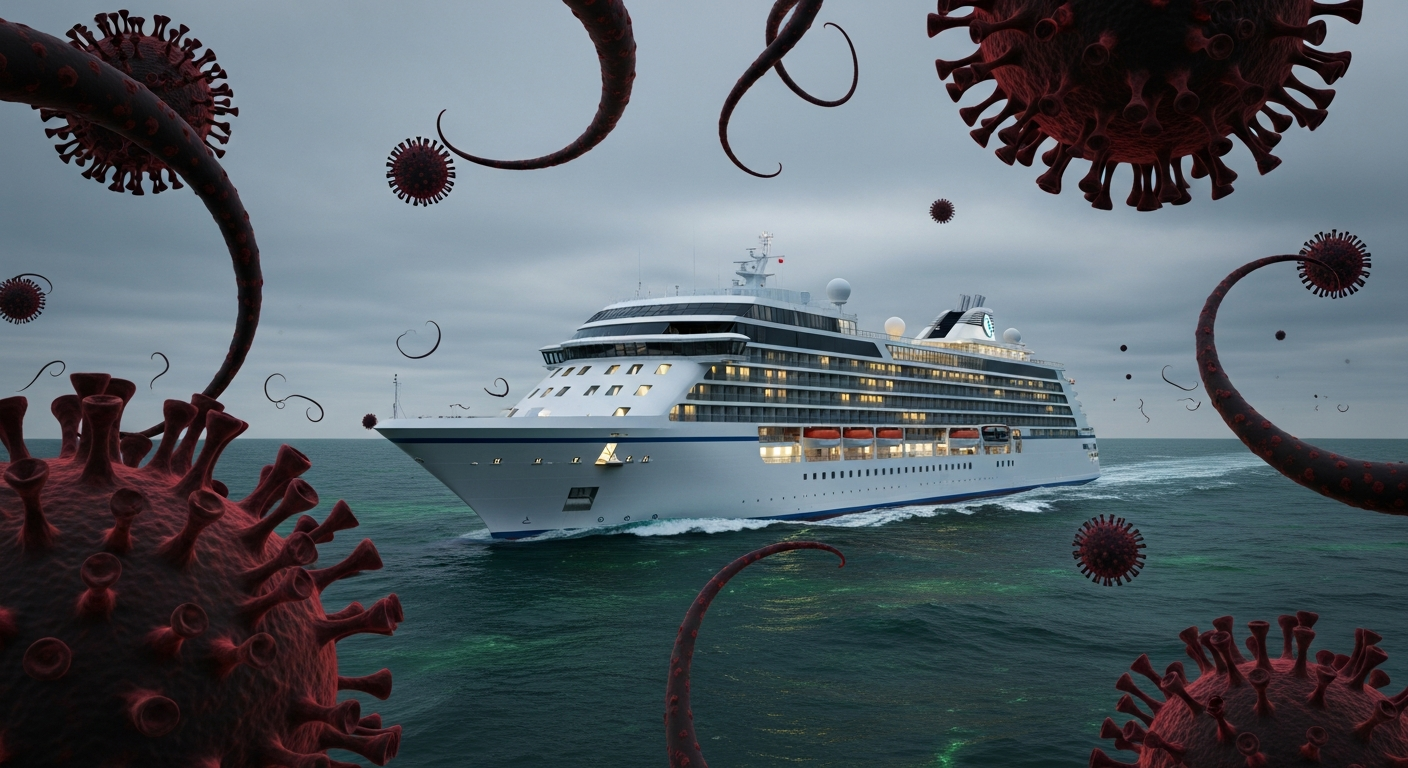
AI-generated image for: Hantavirus Outbreak Linked to Cruise Ship Monitored Globally

BREAKING: Hantavirus Outbreak Linked to Cruise Ship Monitored Globally

Health officials worldwide are monitoring a hantavirus outbreak tied to the MV Hondius expedition cruise ship after several deaths and infections were reported. The U.S. CDC has activated a Level 3 emergency response, the lowest tier, as the risk to the public is described as low.
Jump to The Flipside Perspectives

Health officials across multiple countries, including the United States, are closely monitoring a hantavirus outbreak stemming from the expedition cruise ship MV Hondius. The situation developed after several deaths and confirmed infections were reported among passengers and crew who had been aboard the vessel, which traversed areas of South America and the South Atlantic. At least three fatalities and numerous confirmed or suspected infections have been linked to the outbreak.

The virus identified in the outbreak is believed to be the Andes strain of hantavirus. This particular strain is notable for its rare capability of limited person-to-person transmission, distinguishing it from most other hantavirus strains which typically spread through contact with infected rodent excretions. Despite this characteristic, health agencies have consistently described the overall risk to the general public as low, emphasizing that no widespread community transmission has been detected. The World Health Organization (WHO) has also stated it does not anticipate the outbreak escalating into a global epidemic or pandemic scenario.

In response to the situation, the U.S. Centers for Disease Control and Prevention (CDC) activated its Emergency Operations Centers and classified the outbreak as a "Level 3" emergency response. This classification represents the lowest level within the agency’s emergency activation system and is considered typical for this stage of an unfolding health event. Meanwhile, the U.S. State Department is actively coordinating a repatriation flight for 17 American citizens who are currently aboard the MV Hondius as it sails toward Tenerife, Spain. Officials have confirmed ongoing communication with passengers, crew members, and international health authorities to manage the situation effectively.

The MV Hondius's journey has been marked by several critical incidents. During its voyage, several critically ill passengers required evacuation for urgent medical treatment. Authorities in Cape Verde previously denied the vessel permission to dock due due to concerns about the potential spread of the virus. As the ship now approaches the Canary Islands, international health agencies, in coordination with the WHO, are preparing for controlled disembarkation procedures for the remaining passengers and crew.

Tracing efforts are underway in several nations to identify and monitor passengers who disembarked from the MV Hondius before the outbreak was officially confirmed and isolation measures were fully implemented. Travelers from the United States, the United Kingdom, Australia, Singapore, and Switzerland are among those currently being monitored by their respective health departments. The extended incubation period of the hantavirus, which can last several weeks, necessitates these diligent contact tracing efforts to identify potential secondary exposures.

Hantavirus is generally transmitted to humans through exposure to aerosolized particles from the urine, saliva, or droppings of infected rodents. While this remains the primary mode of transmission for most hantavirus strains, investigators are still working to determine the precise source of exposure linked to the current cruise ship outbreak. The unique aspect of limited human-to-human transmission for the Andes strain has added a layer of complexity to the investigation and monitoring efforts.

The outbreak has also brought renewed public attention to hantavirus, recalling past cases such as the 2025 death of Betsy Arakawa, wife of actor Gene Hackman, which was attributed to hantavirus pulmonary syndrome. For the American passengers returning from the MV Hondius, U.S. state health departments are actively monitoring their health. However, officials have reported that no individuals in the United States are currently exhibiting symptoms connected to this specific outbreak. Investigations into the origins and full scope of the outbreak remain ongoing as international health agencies continue their vigilance over passengers, crew members, and any potential secondary exposures associated with the voyage.

Advertisement

The Flipside: Different Perspectives

Progressive View

The hantavirus outbreak on the MV Hondius highlights the critical need for robust public health infrastructure and coordinated international cooperation to protect collective well-being. The limited person-to-person transmission capability of the Andes strain underscores the interconnectedness of global health and the necessity of proactive surveillance systems. A progressive approach emphasizes that while the risk is currently low, any potential for human-to-human spread requires comprehensive and equitable responses, ensuring all affected individuals, regardless of nationality or socioeconomic status, receive appropriate medical care and support.

The efforts to repatriate American citizens and trace contacts in multiple countries demonstrate the importance of a collective response that prioritizes human life over economic considerations. This situation also brings to light potential systemic vulnerabilities in global travel and health monitoring, suggesting a need for strengthened international agreements and funding for organizations like the WHO to prevent future outbreaks from escalating. Protecting public health is a shared responsibility that demands transparent communication, accessible healthcare for all, and a willingness to implement necessary public safety measures, even if they temporarily impact individual travel plans, to safeguard the broader community. The focus must be on collective security and ensuring no one is left behind in a global health crisis.

Conservative View

The hantavirus outbreak on the MV Hondius underscores the importance of individual responsibility and efficient, unburdened government response. From a conservative perspective, clear and concise communication from public health agencies, without inducing undue panic, is paramount. The CDC's classification of the outbreak as a "Level 3" emergency, the lowest tier, aligns with the principle of limited government intervention, indicating a measured response appropriate to the assessed low public risk. Individuals who choose to undertake international travel, particularly on expedition cruises, inherently accept a degree of personal risk, and health advisories should empower them to make informed decisions rather than imposing broad restrictions that could stifle economic activity.

Furthermore, any government actions, such as repatriation flights, should be conducted with fiscal prudence and strict adherence to established protocols, focusing on the welfare of citizens without creating precedents for expansive government overreach. The cruise industry, as a private enterprise, should be allowed to operate with minimal regulatory burden, provided it adheres to baseline safety standards. Overly restrictive measures or generalized travel bans in response to localized outbreaks could severely impact free markets and the travel economy. The emphasis should remain on targeted surveillance and public education, allowing individuals to protect their health through personal responsibility and informed choices, rather than relying on extensive state control.

Common Ground

Despite differing philosophical approaches, both conservative and progressive viewpoints can find common ground in addressing the hantavirus outbreak. There is universal agreement on the importance of accurate and transparent information dissemination from health authorities to the public. All sides can agree that effective disease surveillance and rapid response mechanisms are essential to mitigate health risks, prevent unnecessary panic, and protect citizens. The repatriation of American citizens from the MV Hondius is a shared priority, emphasizing the duty of governments to assist their nationals abroad in times of crisis.

Furthermore, there is a consensus on the value of international collaboration among health agencies, such as the CDC and WHO, to monitor and contain outbreaks that cross national borders. Both perspectives recognize the need for a balanced approach that protects public health without causing undue disruption to travel and commerce. Ensuring that healthcare resources are available for those affected, while simultaneously investigating the source of the outbreak, are objectives that transcend ideological divides, aiming for practical solutions that safeguard both individual well-being and broader societal health.

What's your view on this story? Share your thoughts and remember to consider multiple perspectives and being respectful when forming and voicing your opinion. "If you resort to personal attacks, you have already lost the debate..."

Advertisement

Contact Us About This Article

Have a question or comment about this article? We'd love to hear from you.

About Fair Side News

At Fair Side News, we believe in presenting news with perspectives from both sides of the political spectrum. Our goal is to help readers understand different viewpoints and find common ground on important issues.