

Breaking
Sponsor Advertisement
FDA Commissioner Makary Resigns Amid Policy Disputes
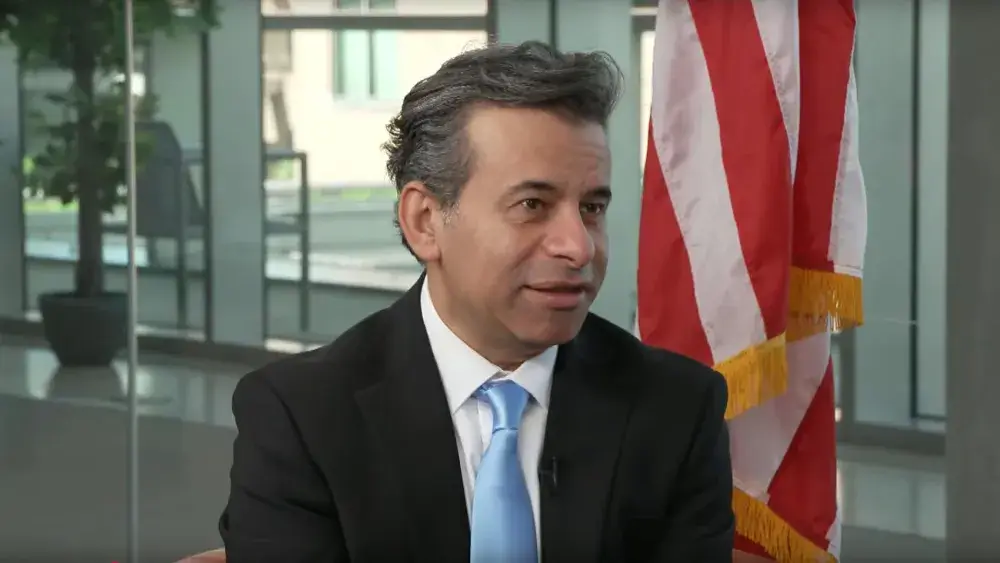
FDA Commissioner Marty Makary - FDA/YouTube - Fair Use

FDA Commissioner Makary Resigns Amid Policy Disputes

Food and Drug Administration Commissioner Marty Makary has resigned, signaling a significant leadership change within President Donald Trump's health team. His departure comes amidst ongoing policy challenges and internal operational uncertainties at the agency.
Jump to The Flipside Perspectives

Food and Drug Administration Commissioner Marty Makary has resigned, marking a significant leadership shakeup within President Donald Trump's second-term health team. The announcement, made on Tuesday, comes as the agency continues to navigate ongoing uncertainty over regulatory priorities and internal operations.

"Well, I don’t want to say, but Marty’s a great guy, he’s a friend of mine, he’s a wonderful man and he’s going to be off. He was having some difficulty." — President Donald Trump, President of the United States

Makary, a Johns Hopkins surgeon who gained national attention during pandemic-era health policy debates, was appointed by President Trump and confirmed by the Senate in March 2025. His selection was widely seen as part of a broader administrative effort to reshape federal health agencies following years of political conflict over COVID-19-era mandates, vaccine policy, and public trust in health institutions, according to Trending Politics.

However, Makary's tenure soon encountered internal pushback regarding the FDA's approach to regulatory oversight. A central tension point involved how the agency should balance its traditional caution with calls for faster approvals, particularly in politically sensitive areas of public health policy. This dynamic created friction within the agency as it sought to define its direction.

President Trump acknowledged Makary’s departure while speaking to reporters on Tuesday. “Well, I don’t want to say, but Marty’s a great guy, he’s a friend of mine, he’s a wonderful man and he’s going to be off,” President Trump said, according to The Hill. “He was having some difficulty.” This statement hinted at underlying challenges that may have contributed to the Commissioner's decision to step down.

Another significant source of tension during Makary’s time involved abortion-related drug oversight. The FDA faced scrutiny from various advocacy groups over its handling of mifepristone reviews and broader regulatory decisions tied to reproductive health policy. This issue, a highly contentious area in national politics, placed additional pressure on the agency's leadership and decision-making processes.

According to Politico, Makary also faced pressure from multiple directions, including criticism from industry stakeholders and political advocates. These groups reportedly argued that the agency’s decision-making process had slowed amid internal restructuring efforts. Reports also pointed to staffing turnover and management disputes as contributing factors to broader instability within the FDA, suggesting a challenging operational environment for the Commissioner.

Makary had been scheduled to testify before a Senate Appropriations subcommittee this week on FDA budget matters. During the anticipated hearing, lawmakers were expected to question agency priorities, including drug approval timelines and regulatory consistency, underscoring the ongoing scrutiny of the FDA's performance and direction. His unexpected resignation preempts this testimony.

The departure of Commissioner Makary adds to a wider pattern of personnel changes observed across federal health agencies during President Trump’s second term. The administration has continued its efforts to reshape leadership within the Department of Health and Human Services and revisit regulatory priorities across multiple divisions. Officials have signaled an interest in both tightening oversight of drug approvals and accelerating review timelines for certain categories of medical products, indicating a complex and potentially conflicting set of objectives for the FDA.

Supporters of Makary have often highlighted his willingness to challenge long-standing regulatory practices as evidence of reform efforts inside the agency. They suggest his approach aimed to modernize the FDA and make it more responsive. Conversely, critics argue that during his tenure, the FDA struggled to maintain consistency and a clear direction, attributing these issues to the internal disagreements and external pressures he faced. These competing perspectives reflect broader divisions in national health policy debates that have intensified since the pandemic.

Following Makary's resignation, FDA Deputy Commissioner for Food Kyle Diamantas is expected to serve as acting commissioner. The White House will now weigh a permanent replacement to lead the agency through its next phase of policy implementation. President Trump emphasized the importance of the position, noting its significance within the administration’s broader health agenda. “Everybody wants that job. It’s a very important job,” he stated. The search for a new commissioner will undoubtedly be closely watched, given the critical role the FDA plays in public health and the economy.

Advertisement

The Flipside: Different Perspectives

Progressive View

The departure of FDA Commissioner Marty Makary highlights the inherent complexities of balancing public health protection with political and industry pressures. From a progressive viewpoint, the FDA's primary mandate is to ensure the safety and efficacy of drugs and medical devices for all Americans, a responsibility that demands rigorous, evidence-based regulatory caution. Concerns about "faster approvals" must always be weighed against the potential for harm, especially in the wake of lessons learned from past public health crises. The internal pushback Makary reportedly faced could be interpreted as a necessary defense of the FDA's scientific integrity and its mission to protect collective well-being. Furthermore, the scrutiny over abortion-related drug oversight, such as mifepristone, underscores the need for regulatory decisions to be based on comprehensive medical data and equitable access to healthcare, rather than political ideology. A progressive approach would prioritize strengthening the FDA's capacity for thorough review, ensuring robust staffing, and resisting pressures that could compromise public trust or exacerbate health disparities. The focus for a new commissioner should be on systemic improvements that uphold scientific standards and safeguard the health of all communities.

Conservative View

The resignation of FDA Commissioner Marty Makary underscores the persistent challenges in reforming entrenched federal bureaucracies. From a conservative perspective, Makary's appointment was a welcome step towards instilling greater efficiency and accountability within an agency often criticized for its slow, burdensome regulatory processes. The emphasis on faster drug approvals and challenging long-standing practices aligns with principles of free markets and reducing government red tape, which can stifle innovation and delay access to critical treatments. The "difficulty" President Trump cited likely points to the internal resistance Makary faced from those resistant to change, prioritizing cautious regulation over timely access. Conservatives advocate for a streamlined FDA that respects individual liberty by allowing quicker access to safe and effective medical products, rather than creating unnecessary barriers. The agency's role in reproductive health, particularly concerning drugs like mifepristone, also highlights the need for consistent, science-based oversight free from political influence, ensuring that regulatory decisions do not overstep constitutional bounds or infringe upon personal responsibility. The next commissioner must be committed to limited government and efficient processes, prioritizing patient access and market innovation.

Common Ground

Despite differing approaches, conservatives and progressives share common ground regarding the fundamental importance of an effective and trustworthy Food and Drug Administration. Both sides agree that the FDA must operate with transparency and integrity, basing its decisions on sound scientific evidence. There is a shared interest in ensuring that Americans have access to safe and effective medical products, whether that access is expedited for innovation or carefully managed for safety. Both viewpoints recognize the need for the FDA to be responsive to public health needs and to operate efficiently, avoiding unnecessary delays or bureaucratic hurdles that could impede patient care. Furthermore, a bipartisan consensus can be found in the desire for a well-managed agency free from undue political influence, where leadership is committed to its core mission. Future policy discussions could focus on practical reforms that enhance the FDA's scientific capacity, improve communication with the public, and streamline processes without compromising essential safeguards, ensuring the agency remains a global leader in public health protection.

What's your view on this story? Share your thoughts and remember to consider multiple perspectives and being respectful when forming and voicing your opinion. "If you resort to personal attacks, you have already lost the debate..."

Advertisement

Contact Us About This Article

Have a question or comment about this article? We'd love to hear from you.

About Fair Side News

At Fair Side News, we believe in presenting news with perspectives from both sides of the political spectrum. Our goal is to help readers understand different viewpoints and find common ground on important issues.