

Breaking
Sponsor Advertisement
Kamala Harris's 'Hope' Remarks Stir Social Media Debate
Image for: Kamala Harris's 'Hope' Remarks Stir Social Media Debate

Kamala Harris's 'Hope' Remarks Stir Social Media Debate

Former Vice President Kamala Harris's recent remarks on 'hope' during a podcast interview with Don Lemon went viral, drawing criticism on social media for their perceived abstractness.
Jump to The Flipside Perspectives

Former Vice President Kamala Harris drew considerable attention on social media Friday following a lengthy discourse on the concept of "hope" during an interview with former CNN host Don Lemon. The remarks, made on Lemon’s podcast, quickly circulated online, prompting a wave of reactions from critics who described her explanation as overly complicated and a "word-salad." The interview also delved into Harris's political future, including speculation about a potential presidential campaign in 2028.

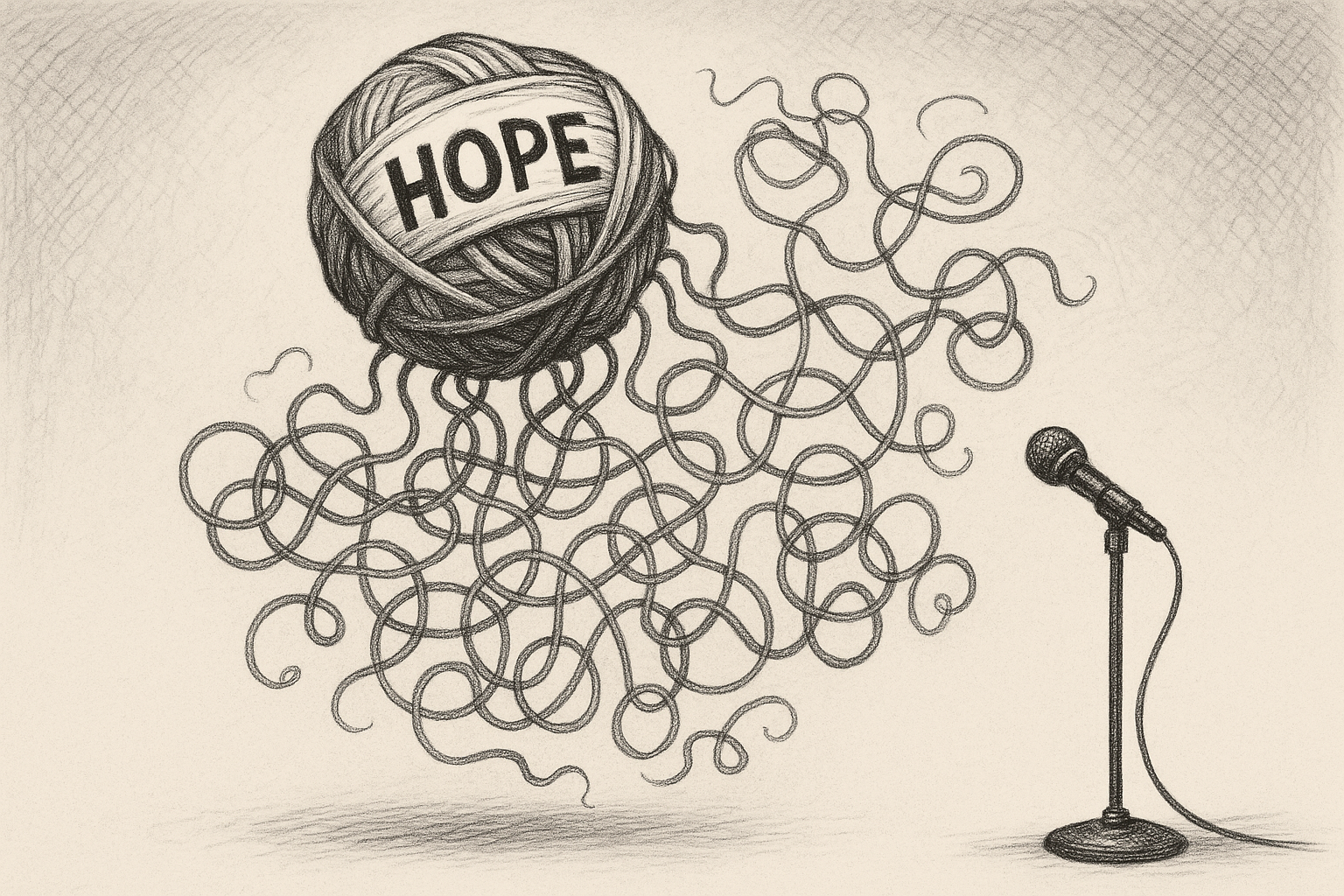
"It is so important that we not only have hope, but that we understand that that should be a verb." — Kamala Harris, Public Figure.

During the conversation, Harris reflected on the sources of optimism during challenging times, stating, "I really, truly believe this. We each have light inside of us. And we need to know that that is what inspires our hope as much as anything external to ourselves." She encouraged listeners to maintain their sense of purpose despite political setbacks or personal disappointments, emphasizing, "And when we feel that and and and not allow an election or an individual to dampen that light, and instead let that light kind of carry us in particular through moments of darkness."

A specific point of contention on social media arose from Harris's subsequent comment regarding the active nature of hope. She added, "It is so important that we not only have hope, but that we understand that that should be a verb." This particular phrasing ignited widespread online discussion, with many social media users quick to point out that "hope" already functions as both a noun and a verb in standard English usage. One X user, responding to the viral clip, wrote, "It’s a noun: ‘I have hope that she never runs for any government office again.’ And it is a verb: ‘I hope she never runs for any government office again.’"

Other critics on social media offered broader critiques of her communication style. One user summarized their impression as a "Good word salad answer that can be summed up in two words: stay positive." Another likened her response to a student attempting to stretch a short essay into a longer assignment, suggesting a perceived lack of conciseness in her delivery. These reactions mark the latest instance in a pattern where Harris has faced scrutiny from political opponents and commentators regarding her public speaking and rhetorical approach.

The interview with Don Lemon also addressed the persistent question of Harris’s political ambitions for the 2028 presidential election. When asked directly about her intentions, Harris did not rule out a future campaign but clarified that she has not yet made a definitive decision. "I have not decided, to be honest with you," she stated. She elaborated on her activities since leaving office, noting that she has spent considerable time traveling the country and engaging with voters.

According to Harris, her interactions with Americans suggest a desire for leaders who are willing to take calculated risks rather than simply adhere to public opinion polls. She further articulated that voters are seeking leaders who demonstrate a genuine understanding of their concerns and prioritize the needs of the public. "I think people want to know that they are being seen and heard," Harris remarked, highlighting the importance of empathetic and responsive leadership.

The timing of the interview coincides with Harris's continued public appearances and engagement on national issues, fueling ongoing speculation about her political trajectory. While she refrained from providing a timeline for any decision regarding a potential 2028 campaign, her comments indicated sustained involvement in political discourse and direct engagement with constituents across the country. The viral nature of her comments on hope has reignited public dialogue surrounding her communication style and broader political messaging, as observers and potential voters continue to weigh her future plans.

Advertisement

The Flipside: Different Perspectives

Progressive View

Progressives might interpret Former Vice President Kamala Harris's remarks on hope as an attempt to articulate a deeper, more nuanced understanding of personal and collective resilience in challenging times. Her emphasis on an "inner light" and the active nature of hope can be seen as a call for individual empowerment and collective action, resonating with progressive values of community engagement and social justice. In this view, the "word-salad" criticism often trivializes a message intended to inspire and encourage sustained civic participation, particularly when facing political setbacks. It underscores the importance of not allowing external forces to diminish one's sense of purpose, a sentiment that aligns with movements seeking systemic change.

The scrutiny over her communication style could also be viewed as part of a broader pattern of media and political criticism that disproportionately targets certain public figures, often distracting from the substance of their message. Progressives might argue that while clarity is important, the focus on a few phrases overlooks the broader context of her discussion on leadership—specifically, her points about voters wanting to be "seen and heard" and leaders willing to take risks. These elements speak to a desire for empathetic, responsive governance that prioritizes collective well-being and addresses the root causes of societal issues, rather than just superficial policy fixes.

Conservative View

From a conservative perspective, the viral reaction to Former Vice President Kamala Harris's "word-salad" comments on hope highlights a perceived disconnect between political rhetoric and practical governance. Conservatives often prioritize clear, concise communication that translates directly into actionable policy and demonstrable results. The critique that her explanation was overly abstract or needlessly convoluted suggests a concern that political leaders may be more focused on rhetorical flourishes than on offering concrete solutions to national challenges. The emphasis on "hope as a verb" is seen by some as an attempt to intellectualize a simple concept, detracting from the need for tangible plans and accountability.

Furthermore, her non-committal stance on a 2028 presidential run, while engaging in public appearances and abstract discussions, could be interpreted as a strategic maneuver rather than a genuine focus on policy or public service. Conservatives often value decisive leadership and a clear vision for the nation, rooted in principles of individual liberty, fiscal responsibility, and limited government. Ambiguous statements or perceived evasiveness on future ambitions, coupled with what is seen as imprecise language, may reinforce skepticism about a candidate's readiness to lead and address the nation's pressing issues with the required clarity and directness.

Common Ground

Despite differing interpretations of Former Vice President Kamala Harris's recent interview, both conservative and progressive viewpoints share common ground regarding the fundamental importance of effective leadership and communication. All Americans, regardless of political affiliation, desire leaders who can articulate a clear vision for the nation's future and inspire confidence. There is a shared recognition that public figures must be able to connect with voters, convey their messages with impact, and demonstrate a genuine understanding of the challenges facing the country.

Furthermore, the underlying theme of hope, while interpreted differently, is a universally valued concept. Both sides agree that a sense of hope is crucial for national progress and resilience, particularly during difficult periods. The desire for leaders who are responsive to the public's needs and willing to take thoughtful risks, as Harris mentioned, is also a bipartisan aspiration. Ultimately, the discussion around this interview highlights a collective desire for political discourse that is both meaningful and accessible, fostering a stronger sense of purpose and direction for the nation.

What's your view on this story? Share your thoughts and remember to consider multiple perspectives and being respectful when forming and voicing your opinion. "If you resort to personal attacks, you have already lost the debate..."

Advertisement

Contact Us About This Article

Have a question or comment about this article? We'd love to hear from you.

About Fair Side News

At Fair Side News, we believe in presenting news with perspectives from both sides of the political spectrum. Our goal is to help readers understand different viewpoints and find common ground on important issues.