


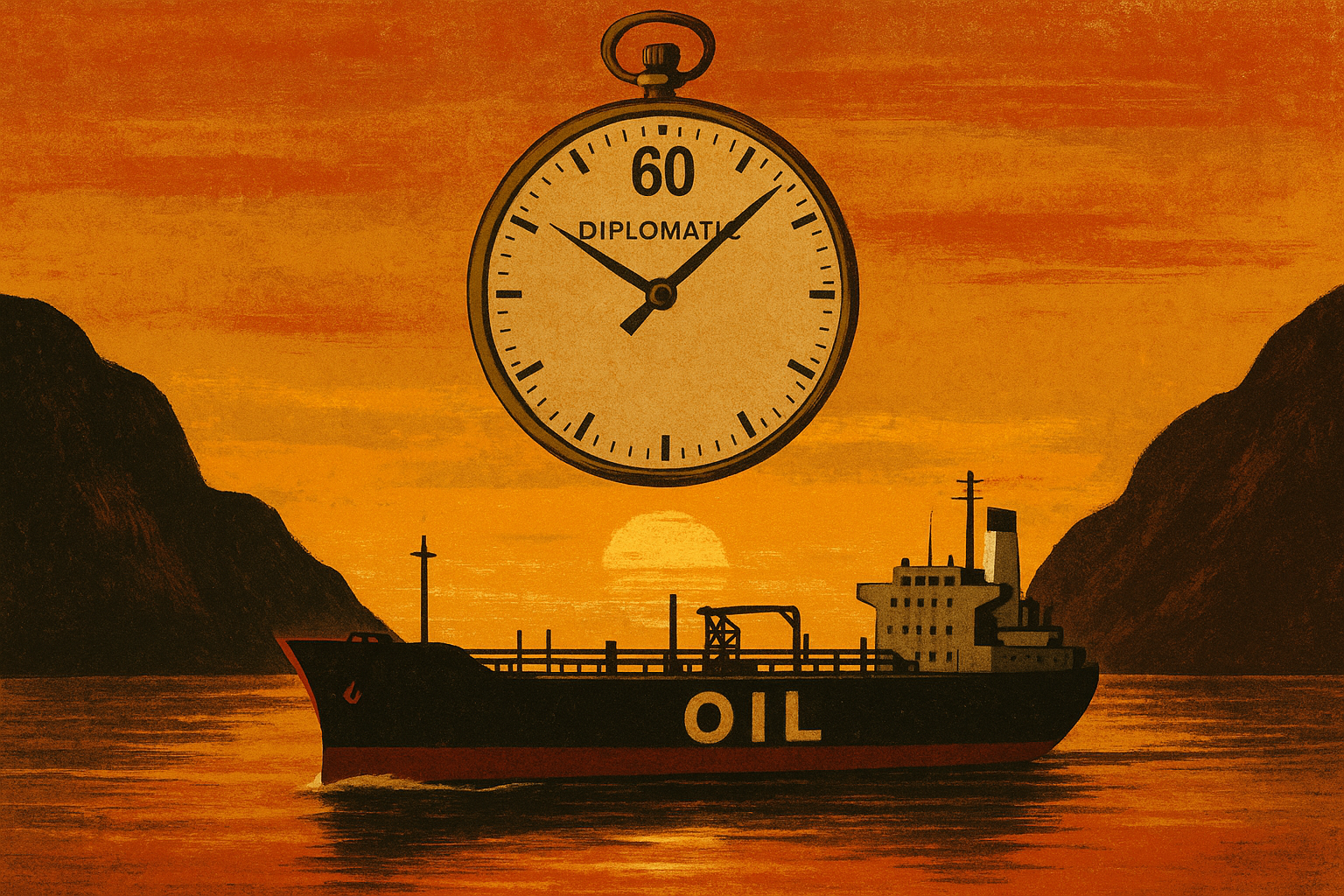
The Trump administration announced Monday a temporary authorization for the production, delivery, and sale of Iranian oil, a move intended to support ongoing diplomatic efforts with Tehran. Treasury Secretary Scott Bessent stated that a 60-day general license has been issued, easing restrictions on Iranian oil exports through August 21. This decision is part of broader negotiations between the U.S. and Iran, which are currently taking place in Switzerland following a preliminary agreement signed earlier this month.
"In line with the ongoing productive talks in Switzerland, Iran has committed to free and open transit in the Strait of Hormuz and to permit International Atomic Energy Agency inspectors into their country." — Scott Bessent, Treasury Secretary
According to the Treasury Department, the license permits the export of Iranian crude oil, petroleum products, and petrochemicals. Secretary Bessent clarified that this action is directly tied to commitments made by Iran during the diplomatic discussions. "In line with the ongoing productive talks in Switzerland, Iran has committed to free and open transit in the Strait of Hormuz and to permit International Atomic Energy Agency inspectors into their country," Bessent wrote on X, adding, "As part of the framework, Treasury has issued a temporary 60-day general license authorizing the production, delivery, and sale of Iranian oil."
This authorization represents a notable shift in the administration's strategy, moving from a posture of military and economic pressure towards a comprehensive diplomatic agreement. The Strait of Hormuz, a critical chokepoint connecting the Persian Gulf to international markets, is central to global energy trade. A substantial portion of the world's oil exports navigates this narrow waterway. Historically, concerns regarding potential disruptions in the strait have fueled volatility in energy markets. Analysts have frequently warned that any interruption to shipping through this corridor could lead to significant spikes in global oil prices. The current agreement aims to mitigate these risks by securing Iran's cooperation in maintaining open and secure access to the route.
Vice President JD Vance highlighted the establishment of a mechanism designed to ensure the Strait of Hormuz remains open and to prevent future disputes from escalating into wider conflicts as a key achievement of the recent talks. The administration asserts that preserving freedom of navigation in this vital waterway benefits both global markets and American consumers by contributing to stable energy supplies.
The temporary license, however, includes specific restrictions. Individuals and entities located in North Korea, Cuba, and the Crimea region of Ukraine are explicitly prohibited from purchasing Iranian oil or benefiting from transactions conducted under this authorization.
The issuance of this waiver follows months of heightened tensions, characterized by various sanctions, military confrontations, and persistent concerns that regional instability could severely disrupt global energy supplies. Supporters of the administration's policy contend that allowing additional Iranian oil to enter world markets could help increase overall supply, thereby easing upward pressure on prices. This perspective suggests a direct benefit to consumers through potentially lower gasoline costs.
Conversely, critics have raised questions about the timing and implications of providing economic relief to Tehran before a final, comprehensive agreement has been fully concluded. They argue that such a move might reduce the leverage of negotiators. Administration officials have consistently underscored the temporary nature of the authorization, emphasizing that it remains contingent upon Iran's continued compliance with the broader diplomatic framework under negotiation. The White House has also specifically highlighted Iran’s commitment to allow inspections by the International Atomic Energy Agency (IAEA) as an essential element of the arrangement.
Energy markets are anticipated to closely monitor the developments from the negotiations in Switzerland, as well as any changes in shipping activity through the Strait of Hormuz. For consumers, the ultimate effect of this policy will likely be measured by whether the increased global oil supply and reduced regional tensions translate into a measurable decrease in gasoline prices in the coming weeks.

