
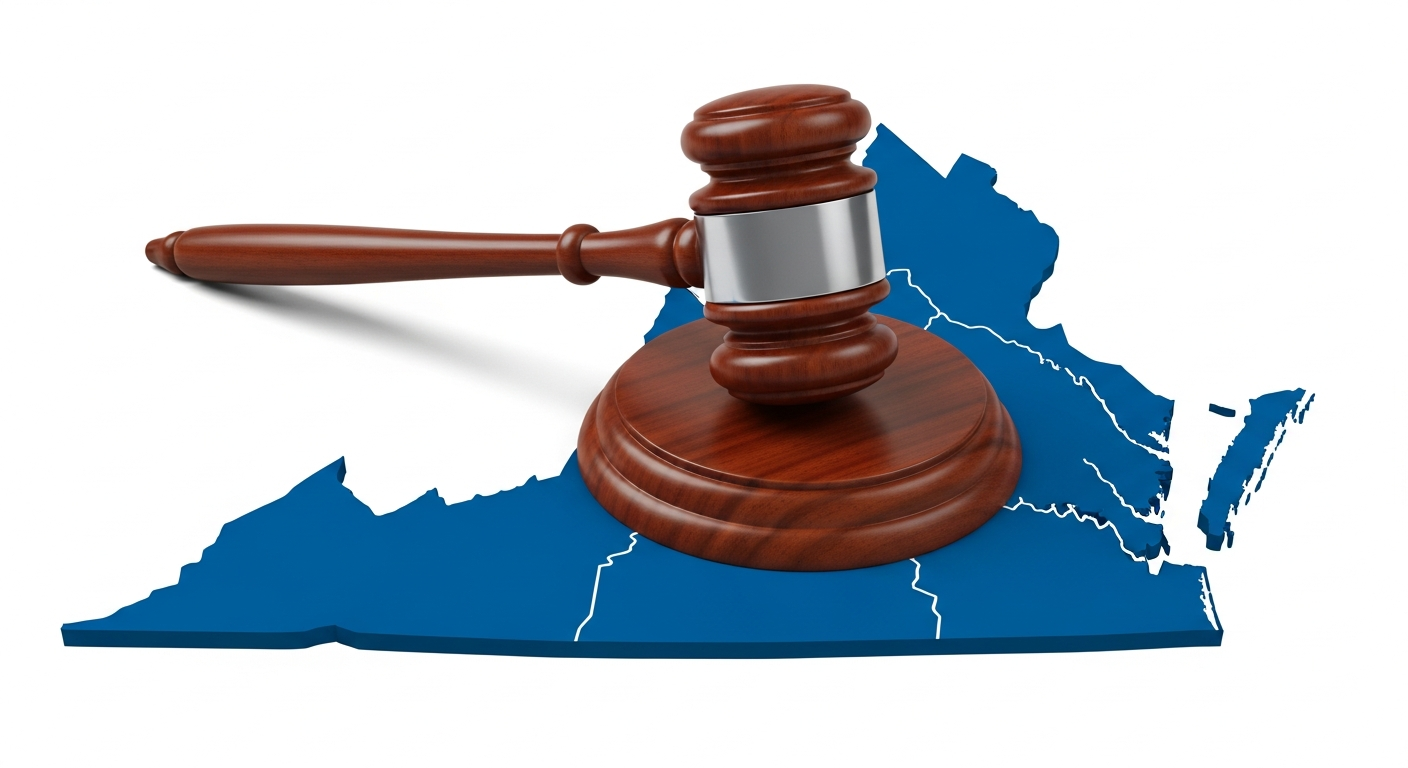
RICHMOND, Virginia – The Virginia State Supreme Court has declined to intervene in an emergency request, upholding a lower court's order that blocks the certification of a voter-approved redistricting referendum. The decision, issued on April 28, 2026, keeps the measure uncertified and effectively prevents state election officials from finalizing results as broader constitutional challenges continue through Virginia’s judicial system.
The dispute centers on a mid-decade redistricting effort that seeks to redraw congressional boundaries, potentially altering representation across multiple districts ahead of upcoming federal elections. The proposed congressional map is tied to a politically charged overhaul of Virginia's district lines, which was narrowly approved by voters in an April 21 referendum. Supporters of the referendum argue that it reflects the will of the voters and should be allowed to proceed without delay. Conversely, opponents contend that the process used to place the amendment on the ballot did not comply with constitutional requirements governing how redistricting changes must advance in the state.
The immediate barrier to the referendum's implementation is an injunction issued by Tazewell County Circuit Court Judge Jack Hurley. Judge Hurley ruled that election officials could not proceed with certifying the referendum results or implementing the proposed map while unresolved legal questions persisted regarding the underlying redistricting process. Specifically, he found that proposals of this type must pass through two separately elected General Assemblies before being submitted to voters, a requirement he concluded was not met in this particular case. This injunction has effectively frozen the practical impact of the referendum, despite its passage by voters, placing Virginia’s election system in a holding pattern as courts determine the measure’s compliance with state law.
State officials and Democratic leaders had sought emergency relief from the Virginia Supreme Court, arguing that the certification process should be allowed to continue during the appeals process. They contended that the decision made by voters should not be delayed by ongoing litigation. However, the state’s highest court rejected this request, choosing to leave the lower court’s injunction in place. Legal analysts have emphasized that the Supreme Court's ruling was procedural, meaning the justices did not address the underlying constitutional merits of the case itself. Instead, the court simply declined to temporarily override the lower court's decision while the case continues its journey through Virginia’s appellate system.
Following the ruling, Attorney General Jay Jones stated that the state intends to appeal the decision. He argued that voters should have their decision respected and that the certification process should not be halted by what he described as improper judicial interference. The appeal is expected to proceed through higher state courts while Judge Hurley's injunction remains in effect, ensuring that the proposed congressional map remains on hold for an indefinite period.
Virginia’s redistricting saga is unfolding amidst a broader national trend of intense redistricting battles. Both Republican- and Democratic-led states across the country are pursuing map changes as the nation prepares for upcoming federal elections. Virginia’s case has garnered particular attention due to its unique timing, its reliance on a voter referendum, and the potential significant impact it could have on congressional representation if ultimately upheld. For now, the referendum remains uncertified, and the proposed congressional map is stalled, with no clear timeline set for a final ruling as litigation continues. The ultimate outcome will not only determine the fate of Virginia's electoral map changes but also establish precedents regarding the extent to which courts can halt voter-approved redistricting measures during ongoing legal review.