


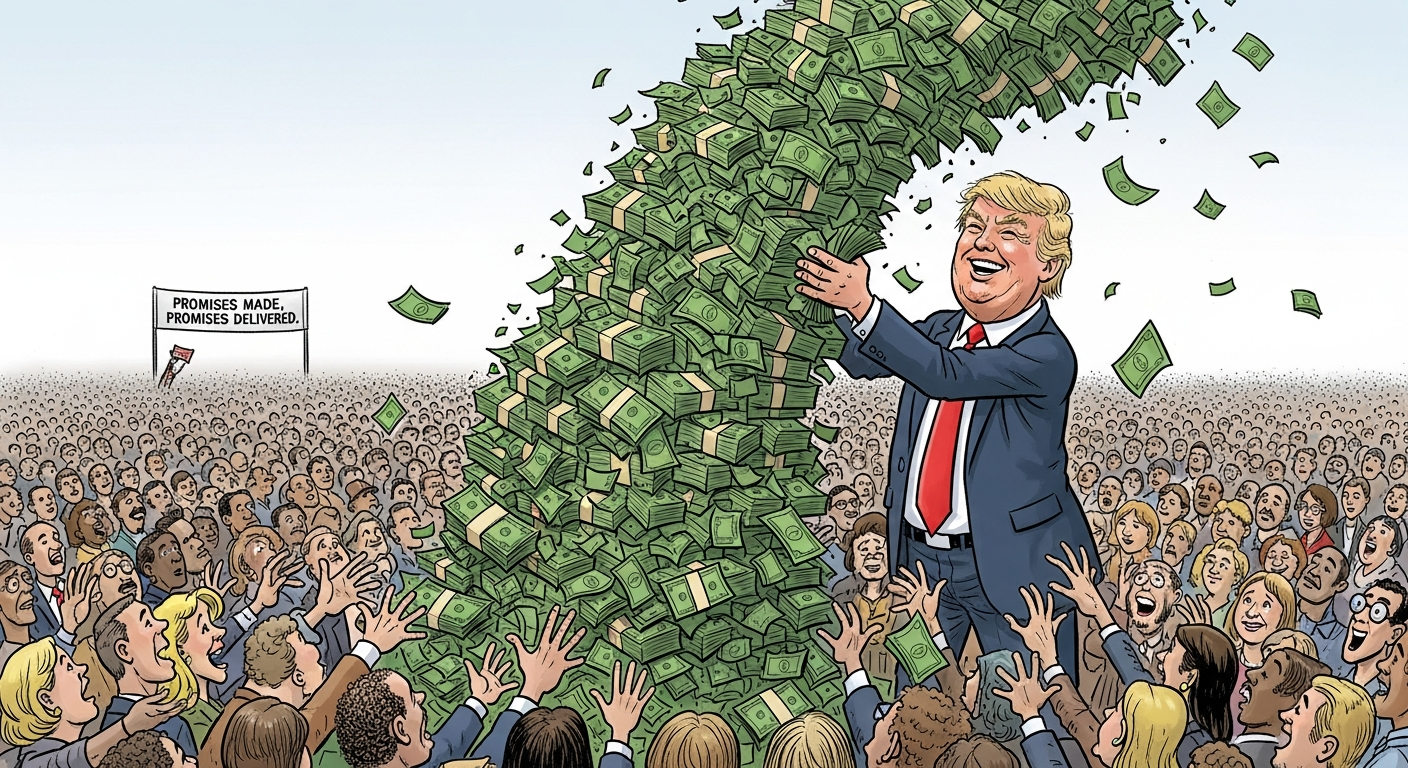
The Trump administration has begun the process of issuing refunds for tariffs previously collected from U.S. importers, a move that could see tens of billions of dollars, potentially up to an estimated $166 billion, returned to businesses. This significant financial reversal comes after federal courts ruled that the emergency economic powers invoked to levy these tariffs exceeded the legal authority granted to the executive branch. The decision mandates the federal government to return funds to companies that imported goods under these specific measures.
The tariffs in question were initially implemented by President Donald Trump's administration as part of a broader strategy to exert pressure on foreign governments and bolster domestic industries. These measures were justified under specific statutes designed to address national economic emergencies or unfair trade practices. However, legal challenges brought forth by affected businesses argued that the administration's application of these powers was an overreach. The courts ultimately sided with the importers, determining that the legal basis for the tariffs was not properly established, thereby compelling the administration to unwind their financial impact.
The refund process is not automatic; U.S. importers that paid the invalidated tariffs must actively file claims and provide comprehensive documentation of the amounts they paid. Given the vast number of transactions and the substantial sums involved, the verification and disbursement of these refunds are expected to be a lengthy and complex undertaking. The process will likely unfold in phases, with businesses that submit complete and accurate documentation earlier potentially receiving their reimbursements sooner than others. The sheer volume of claims necessitates a meticulous review by government agencies to ensure accuracy and prevent fraud.
A key aspect of this refund initiative is its specific targeting: the funds are directed solely to companies that bore the direct cost of the tariffs, not to individual consumers. While businesses often pass on increased costs, such as tariffs, to consumers through higher prices, there is no existing mechanism or requirement for these companies to directly reimburse individuals for those price increases. Consequently, consumers who may have paid more for goods due to the tariffs are unlikely to receive direct compensation, creating a distinct split in the economic impact of the reversal.
The decision to issue refunds presents a significant business consideration for the recipient companies. They are not legally obligated to pass on the recovered funds to their customers. Instead, businesses will have the discretion to decide how to utilize these reimbursements. Some companies might opt to reduce their product prices, offer discounts, or adjust their pricing strategies to become more competitive. Others may choose to retain the funds to recover prior operational costs, strengthen their financial position, invest in new initiatives, or distribute them to shareholders. The ultimate outcome of how these funds are deployed will largely be influenced by prevailing market conditions, competitive pressures within specific industries, and public expectations, rather than regulatory mandates.
This court ruling and subsequent refund process also carry broader implications for the scope of executive authority in trade policy. It underscores the limits of presidential power when implementing trade measures, particularly when those actions are challenged through the judicial system. While President Trump's administration may continue to pursue its trade policy objectives through other legal tools and diplomatic channels, the specific tariffs that were ruled unlawful can no longer be enforced in their original form. This outcome reinforces the system of checks and balances, demonstrating that even in matters of economic policy, executive actions are subject to judicial review and must adhere to established legal frameworks.
The financial correction represents one of the largest reversals of trade-related collections in recent history. It highlights the intricate interplay between trade policy, legal interpretation, and economic impact on various stakeholders. While businesses stand to recover substantial funds, the broader economic consequences, particularly for consumers who indirectly bore the cost, remain a point of discussion. The unfolding of this refund process will be closely watched by economists, legal experts, and businesses alike, as it offers insights into the enforcement of trade laws and the accountability of government actions.

