


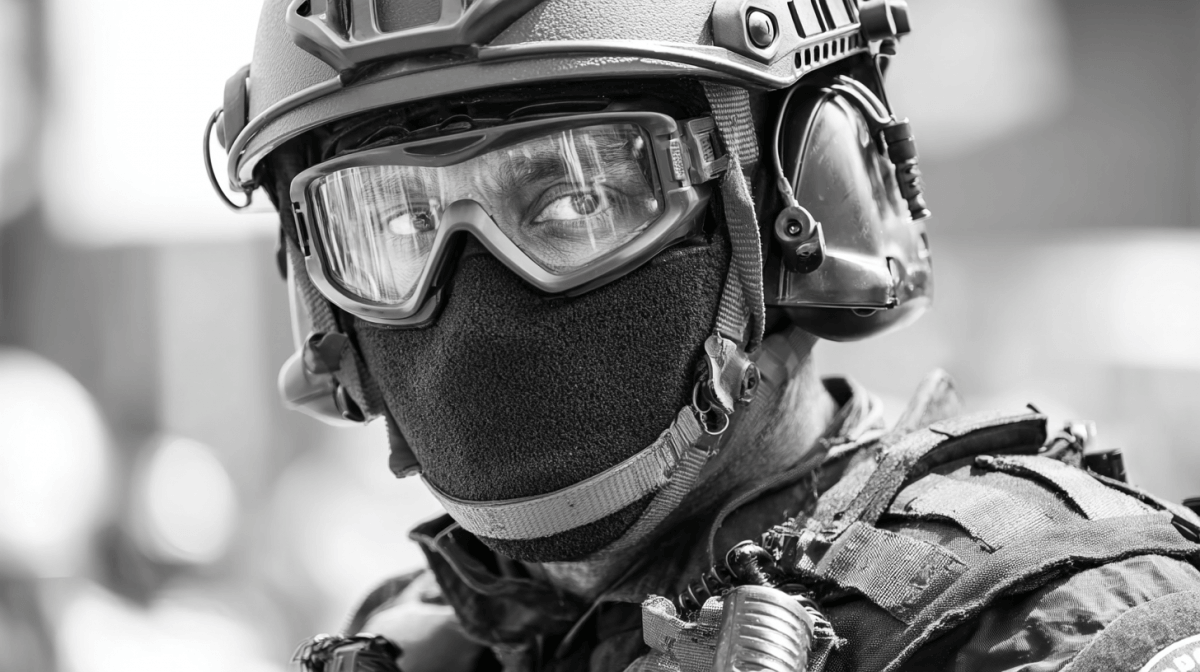
The Trump administration initiated a new legal battle with New Jersey on Wednesday, as the Department of Justice (DOJ) filed a federal lawsuit aimed at blocking a recently enacted state law. The legislation restricts law enforcement officers from wearing masks and mandates identification before making arrests or detentions. This legal action, filed in Newark federal court, intensifies the growing clash between the federal government and states over immigration enforcement and the scope of federal agents' powers.
"To this day, the federal government still cannot explain when its officials need to mask or forgo identification in violation of this law, or why they actually need to do so, particularly given the serious safety concerns inherent in anonymized policing." — Jennifer Davenport, New Jersey Attorney General.
The DOJ's complaint contends that New Jersey overstepped its constitutional authority by imposing state-level restrictions on federal officers performing their official responsibilities. The lawsuit specifically asks the court to enjoin New Jersey from enforcing the law against federal agents. While the measure's language applies to both state and local officers, the core of the dispute centers on immigration enforcement operations conducted by federal personnel, particularly those from U.S. Immigration and Customs Enforcement (ICE).
Assistant Attorney General Brett Shumate of the DOJ’s Civil Division issued a prepared statement affirming the administration's intent to defend officers working in the field. Shumate stated that the agency would "steadfastly protect the privacy and safety of law enforcement." The federal government argues that the mask restrictions inherently place officers at greater risk by exposing their identities during enforcement actions. According to the complaint, federal agents face increasing threats of being "doxxed," harassed, or assaulted when their personal information becomes public. Furthermore, federal officials argue the law could "chill operations" by discouraging officers from taking necessary steps to protect themselves while carrying out arrests and detention actions.
New Jersey Governor Mikie Sherrill (D) signed the controversial legislation on March 25, alongside two other measures related to immigration. These additional laws further reinforce state limits on local cooperation with federal immigration authorities and restrict certain state agencies and health facilities from sharing immigration status information. State officials have steadfastly defended the mask restrictions, characterizing them as a vital public safety measure designed to ensure accountability and prevent confusion during enforcement actions.
New Jersey Attorney General Jennifer Davenport has publicly stated that the federal government has not adequately justified why its officers should be exempt from the law. Davenport remarked, "To this day, the federal government still cannot explain when its officials need to mask or forgo identification in violation of this law, or why they actually need to do so, particularly given the serious safety concerns inherent in anonymized policing." She elaborated that the state carefully crafted the law in direct response to profound public safety concerns regarding officers operating without visible identification. "New Jersey responded thoughtfully and carefully to these profound public safety concerns, and we look forward to responding in court," Davenport added. She further criticized the federal approach, stating, "The Federal Government’s contrary approach will only undermine public trust and accountability, and make it easier for criminals to impersonate our officers."
The state law does contain specific exceptions, allowing officers to wear masks in certain circumstances, such as during undercover work or in situations where there are documented threats of retaliation. However, federal officials maintain that despite these exceptions, the law still creates an unacceptable level of uncertainty for federal agents and represents an attempt by the state to exert control over federal personnel.
This dispute in New Jersey mirrors a similar legal challenge that unfolded in California. Earlier this year, a federal judge in California issued a preliminary injunction, effectively blocking the enforcement of that state’s mask ban against federal officers. The current lawsuit is not the first courtroom clash between the Trump administration and New Jersey. The DOJ is also actively challenging another policy enacted by the Sherrill administration, which imposes limits on federal immigration agents operating on state property.
This latest federal lawsuit could have significant implications, potentially influencing similar disputes in other Democrat-led states that have challenged federal immigration tactics and policies. The case comes as President Trump's administration continues to expand its immigration enforcement efforts, often leading to increased friction with states that adopt "sanctuary" or protective measures for undocumented immigrants. The outcome of this legal challenge will likely help define the boundaries of state authority versus federal supremacy in matters of law enforcement and immigration.

