

Breaking
Sponsor Advertisement
FBI Director Patel Orders Polygraphs Amid Leak Investigation
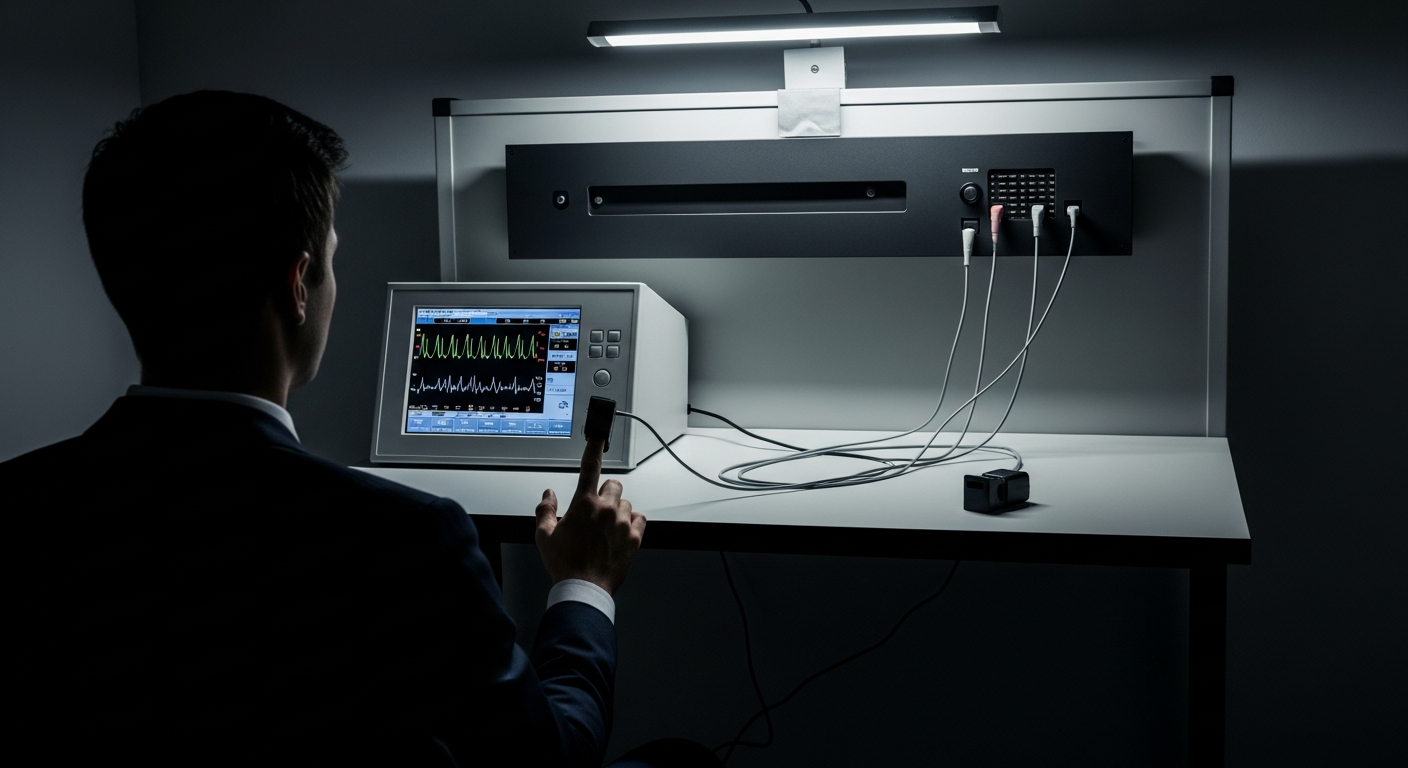
AI-generated image for: FBI Director Patel Orders Polygraphs Amid Leak Investigation

FBI Director Patel Orders Polygraphs Amid Leak Investigation

FBI Director Kash Patel reportedly ordered polygraph examinations for over two dozen current and former employees to identify alleged leaks. This action follows critical media reports concerning his leadership and conduct, which the FBI has denied as inaccurate.
Jump to The Flipside Perspectives

FBI Director Kash Patel has reportedly ordered polygraph examinations for more than two dozen current and and former FBI employees as part of an internal effort to identify alleged leaks within the bureau. This directive, reported on Friday, targets members of Patel’s security detail and FBI information technology staff, who are believed to have access to sensitive internal communications and operational information. The move comes in the wake of significant media scrutiny and negative coverage regarding Director Patel's leadership style and personal conduct since he assumed control of the FBI earlier this year.

"Patel continues meeting regularly with bureau officials and dismissed allegations surrounding the director’s behavior as inaccurate and unsupported by internal evidence or firsthand documentation." — Ben Williamson, FBI Spokesman

Sources cited in recent reports indicate that Director Patel became increasingly focused on identifying internal leaks following the publication of articles by The Atlantic. These articles described Patel as "paranoid" and accused him of excessive alcohol consumption while leading the nation’s top federal law enforcement agency. The Atlantic also reported that Patel had distributed custom bourbon bottles bearing his name and the FBI seal to associates and contacts. The bureau, however, has denied allegations that these gifts violated ethics standards or federal rules, stating that Patel followed existing ethics guidance governing gifts and commemorative items.

FBI spokesman Ben Williamson addressed the allegations, rejecting claims that Director Patel had entered "panic mode" following the stories' publication. Williamson also dismissed reports that the director had isolated himself from senior leadership inside the agency, stating that "Patel continues meeting regularly with bureau officials and dismissed allegations surrounding the director’s behavior as inaccurate and unsupported by internal evidence or firsthand documentation."

In response to the allegations published by The Atlantic, Director Patel has filed a $250 million defamation lawsuit. Concurrently, reports indicate that the FBI launched a criminal leak investigation after the critical stories appeared last month. The bureau has explicitly denied claims that agents were improperly asked to investigate reporters or journalism-related activity connected to the publication of articles involving Patel and internal FBI operations. However, The Independent reported that several FBI agents privately expressed concern about investigating matters involving journalists and confidential sources without broader evidence supporting possible criminal conduct tied to the leaks.

The scrutiny surrounding Director Patel's leadership has also drawn attention from Capitol Hill. Democrats on the House Judiciary Committee have publicly criticized Patel following the publication of the allegations, with some mocking the reports involving the custom bourbon bottles. Certain Democratic lawmakers have also called for Patel to undergo testing related to alcohol use, linking it to the broader scrutiny surrounding leadership within the bureau and the Trump administration.

Kash Patel, a longtime ally of President Donald Trump, was confirmed as FBI director earlier this year. Upon taking office, Patel pledged to restructure bureau leadership, reduce internal leaks, and overhaul agency operations nationwide. The current internal leak investigation and the polygraph orders appear to be a direct manifestation of his stated commitment to addressing leaks within the agency. The situation underscores the challenges faced by the FBI in maintaining internal security and public trust, particularly amidst heightened political polarization and intense media examination of federal law enforcement agencies. The ongoing developments are likely to maintain focus on the FBI's operational integrity and the conduct of its leadership.

Advertisement

The Flipside: Different Perspectives

Progressive View

From a progressive viewpoint, the reported order for polygraph examinations by FBI Director Kash Patel raises significant concerns regarding potential abuses of power and the chilling effect on whistleblowers. While acknowledging the importance of protecting classified information, the broad application of lie detector tests to dozens of employees, particularly following negative media coverage about the director's conduct, suggests a retaliatory or punitive motivation rather than a purely security-driven one. This approach could intimidate employees and suppress legitimate concerns about leadership or internal malfeasance, rather than fostering transparency and accountability within the bureau.

The allegations published by The Atlantic regarding Director Patel's "paranoid" behavior, alleged excessive alcohol consumption, and the distribution of custom bourbon bottles with the FBI seal warrant serious scrutiny. Such reports, if true, point to potential ethical breaches and a lack of judgment from the agency's top leader, which could erode public trust. The focus on identifying leaks, especially when coupled with reports of concerns among FBI agents about investigating journalists, raises questions about press freedom and the protection of journalistic sources. Progressives would argue that true reform within the FBI requires fostering an environment of integrity and openness, where accountability starts at the top, rather than resorting to measures that could be perceived as silencing dissent or suppressing uncomfortable truths.

Conservative View

From a conservative perspective, FBI Director Kash Patel's actions to identify internal leaks are a necessary measure to protect national security and maintain the operational integrity of a critical federal agency. Leaks of sensitive information can compromise ongoing investigations, endanger intelligence assets, and undermine public trust in law enforcement. Director Patel, appointed by President Donald Trump with a mandate to address internal issues, is demonstrating decisive leadership by taking steps to curb unauthorized disclosures. The focus on polygraph tests for employees with access to sensitive information is a legitimate tool for internal security, especially when faced with what could be politically motivated attacks disguised as media reports.

Furthermore, the allegations against Director Patel, particularly those concerning his personal conduct and alleged "paranoia," are often viewed through a lens of skepticism by conservatives. They see these as potential attempts by a hostile media or disgruntled elements within the bureaucracy to undermine a leader committed to reform. The $250 million defamation lawsuit filed by Patel against The Atlantic signals a strong defense against what he perceives as baseless accusations. The emphasis here is on accountability for those who leak information and for media outlets that publish unverified claims, potentially aiding those seeking to disrupt legitimate government functions. Protecting the institution of the FBI from internal subversion and external political targeting is paramount.

Common Ground

Despite differing perspectives, there are areas of common ground regarding the situation surrounding FBI Director Kash Patel's actions. Both conservatives and progressives agree on the fundamental importance of a secure and effective Federal Bureau of Investigation. Ensuring the integrity of sensitive investigations and protecting classified national security information is a shared objective across the political spectrum. There is also a mutual understanding that accountability, whether for unauthorized disclosures or for ethical conduct in leadership, is crucial for maintaining public trust in federal agencies.

Furthermore, both sides can agree on the necessity of due process and fair treatment for all employees within the FBI. While polygraph tests are a contentious tool, there can be agreement that any internal investigation must be conducted within legal and ethical boundaries, respecting the rights of individuals. Lastly, there is a shared interest in preventing politically motivated actions from undermining the professional operations of the FBI. The challenge lies in balancing national security needs with individual liberties, ensuring transparency, and fostering an environment where legitimate concerns can be addressed without fear of retaliation, while simultaneously preventing the unauthorized release of sensitive information.

What's your view on this story? Share your thoughts and remember to consider multiple perspectives and being respectful when forming and voicing your opinion. "If you resort to personal attacks, you have already lost the debate..."

Advertisement

Contact Us About This Article

Have a question or comment about this article? We'd love to hear from you.

About Fair Side News

At Fair Side News, we believe in presenting news with perspectives from both sides of the political spectrum. Our goal is to help readers understand different viewpoints and find common ground on important issues.