


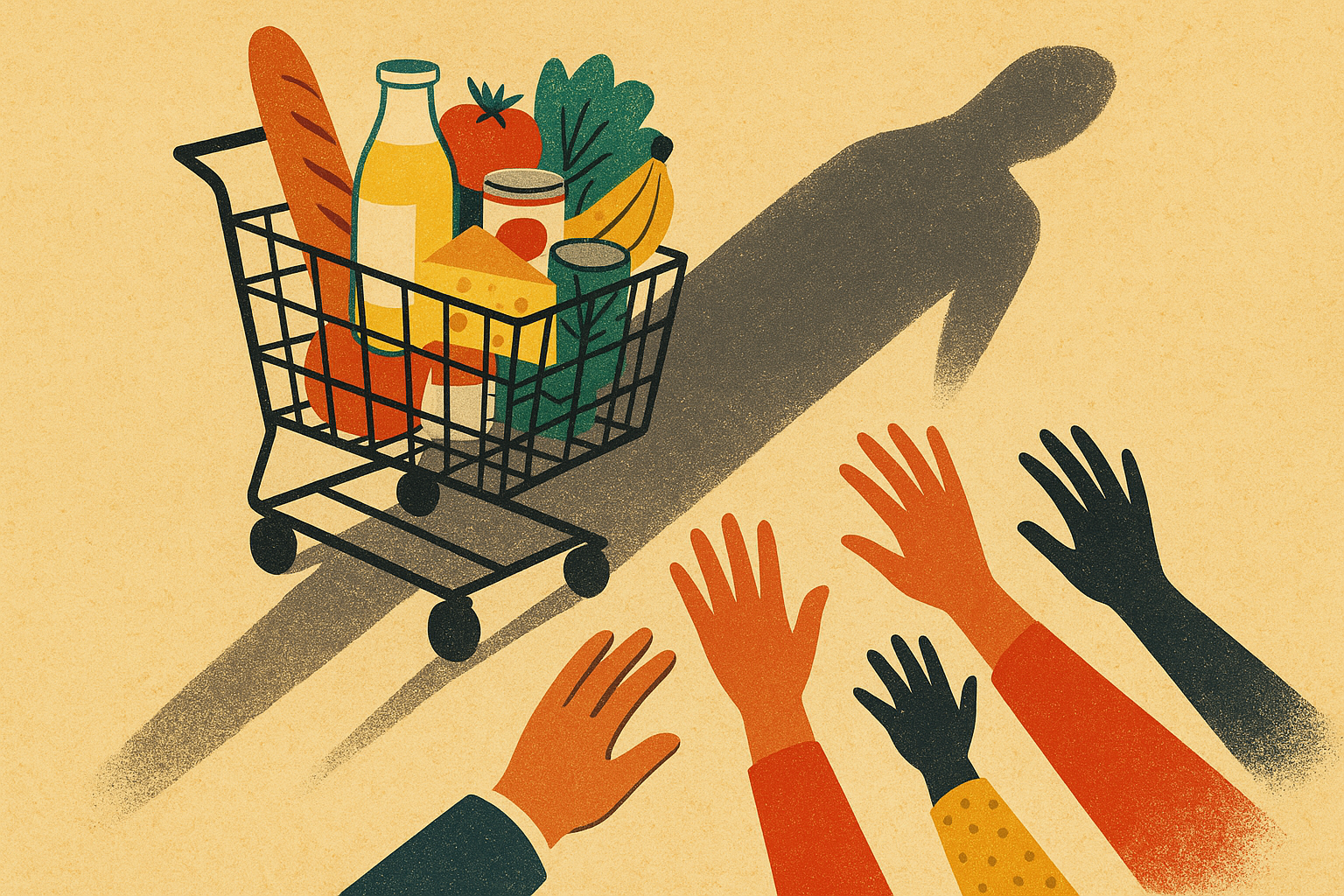
A U.S. District Court judge on Monday halted a Trump administration initiative that would have allowed states to restrict the use of Supplemental Nutrition Assistance Program (SNAP) benefits for the purchase of sugary drinks and other high-sugar foods. U.S. District Judge Amy Berman Jackson, an Obama appointee, ruled that the U.S. Department of Agriculture (USDA) exceeded its legal authority when it approved state waiver requests designed to exclude specific categories of food from SNAP eligibility.
"In her ruling, Jackson, an Obama appointee, wrote that while federal agencies may test limited demonstration projects to improve program efficiency, those experiments cannot override Congress’s statutory framework governing SNAP benefits." — U.S. District Judge Amy Berman Jackson
The court's decision, issued on Monday, found that federal law, specifically the Food and Nutrition Act, defines what constitutes eligible purchases under SNAP. Judge Jackson asserted that federal agencies do not possess the authority to narrow this definition by removing entire product categories through administrative approval processes. This ruling effectively vacates the USDA's approval letters that had authorized participating states to proceed with such restrictions, thereby stopping the waiver program from moving forward under its current structure. The case will now return to lower proceedings, consistent with the court's interpretation of federal law governing SNAP eligibility rules.
The policy push originated from the Trump administration's broader efforts to address diet-related health concerns among the millions of Americans who rely on SNAP benefits. Administration officials, including Health and Human Services (HHS) Secretary Robert F. Kennedy Jr. and Agriculture Secretary Brooke Rollins, had championed the waiver approach as a component of a wider "Make America Healthy Again" initiative. This initiative focused on promoting dietary change and preventing chronic diseases, with supporters arguing that public assistance funds should not be used for products widely associated with negative health outcomes like obesity and diabetes.
Five states—Colorado, Iowa, Nebraska, Tennessee, and West Virginia—had submitted pilot program requests seeking permission to block SNAP recipients from using their benefits to purchase items such as soda and candy. The USDA had approved similar waiver requests in multiple states, signaling a commitment to nutrition-focused reforms. A USDA spokesperson reiterated the department's dedication to pursuing nutrition initiatives and indicated that efforts to encourage healthier food choices among SNAP participants would continue despite the judicial setback.
Judge Jackson's ruling directly challenged the USDA's interpretation of its experimental authority. While acknowledging that federal agencies may test limited demonstration projects to improve program efficiency, she clarified that such experiments cannot override the statutory framework established by Congress for governing SNAP benefits. She specifically stated that the USDA’s approvals went beyond legitimate experimental authority and constituted an attempt to rewrite the fundamental eligibility rules for what counts as food under the program, a power reserved for the legislative branch.
Advocates for SNAP recipients had vocally challenged the administration's policy. Their arguments centered on several key points. Firstly, they contended that restricting access to certain foods could inadvertently interfere with medically necessary diets for individuals managing specific health conditions, such as diabetes or severe food allergies, which often require precise dietary management. Secondly, these advocates maintained that federal agencies lack the power to redefine eligibility standards for food purchases without explicit congressional authorization, echoing the court's ultimate finding. They emphasized that changes of such magnitude to a foundational federal program like SNAP require legislative action, not administrative decree.
SNAP is a crucial federally funded program, jointly administered by federal and state governments, designed to provide monthly food-purchasing assistance to tens of millions of low-income Americans. The program's expansive reach underscores the significance of any changes to its operational rules or benefit eligibility. This ruling temporarily halts the implementation of a key strategy within President Trump's health-focused reforms, underscoring the ongoing tension between executive branch policy initiatives and judicial interpretations of statutory authority. The decision reaffirms the judiciary's role in ensuring that administrative actions remain within the bounds established by Congress, particularly for programs with such widespread national impact. The administration now faces a legal hurdle in its efforts to steer SNAP recipients towards healthier dietary choices through direct purchasing restrictions.

