


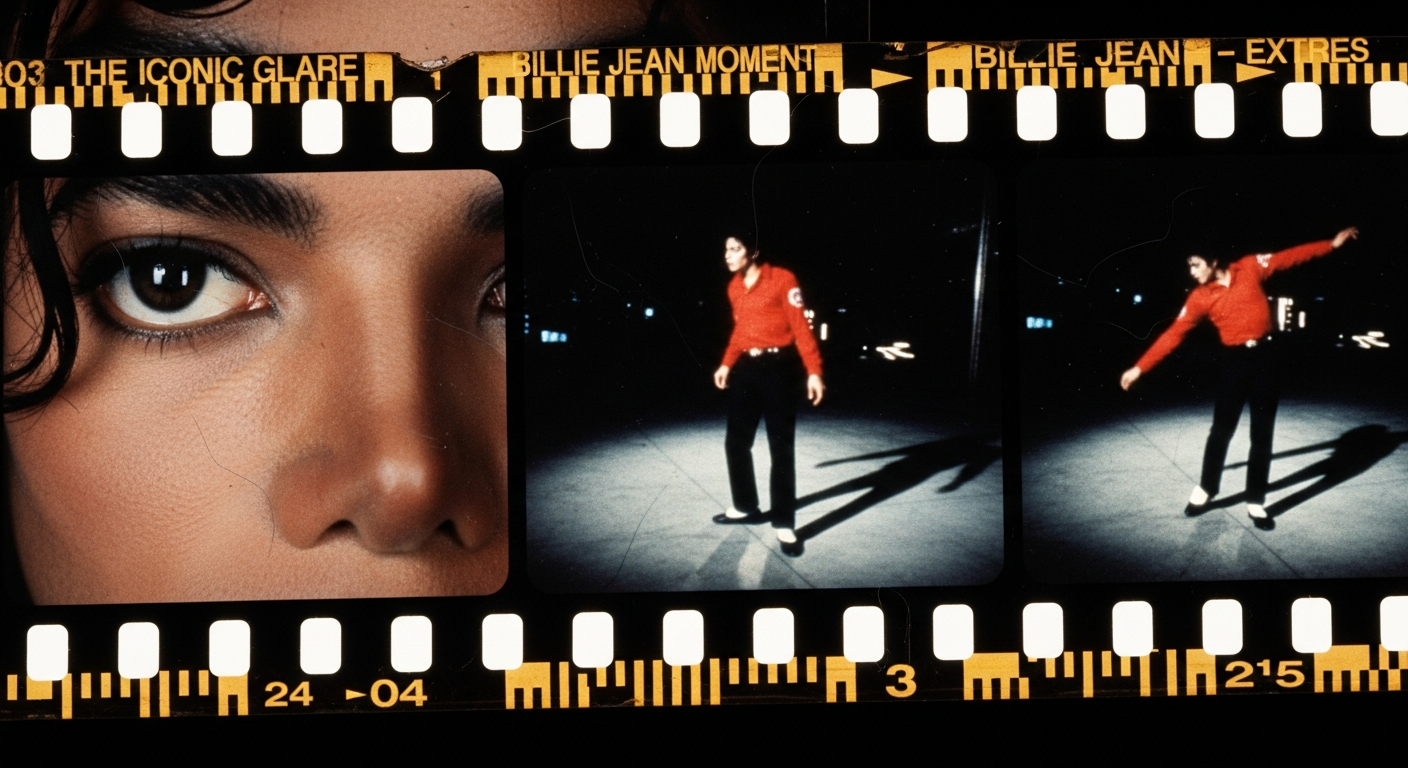
Megyn Kelly, host of "The Megyn Kelly Show" on SiriusXM, publicly declared her conclusions this week regarding the credibility of the primary accusers in HBO’s 2019 documentary "Leaving Neverland." On Tuesday, Kelly stated that the men behind the allegations of child sexual abuse against the late pop star Michael Jackson possess "massive credibility problems," particularly focusing on Wade Robson. Her remarks follow an independent, months-long investigation she conducted while between broadcasting roles.
"Maybe they’re telling the truth, but they have massive credibility problems, especially the main guy." — Megyn Kelly, Host of SiriusXM's "The Megyn Kelly Show"
The central figures in "Leaving Neverland" are Wade Robson, an Australian-born choreographer, and James Safechuck. Both men alleged in the Emmy-winning documentary that Jackson subjected them to years of sexual abuse beginning in their childhoods. Jackson’s estate has consistently and vehemently denied these claims since their initial emergence and throughout the documentary’s release. Kelly’s recent comments, made during a discussion with defense attorney Mark Geragos—who previously represented Jackson—come as a newly released biopic, "Michael," reignites public interest in the "King of Pop," who died in 2009.
Kelly did not confine her criticism to the accusers alone. She also directed scrutiny towards "Leaving Neverland" director Dan Reed and media executive Oprah Winfrey. Kelly accused both of presenting a documentary that failed to subject Robson or Safechuck to "rigorous questioning," an omission she argued significantly undermined the film's journalistic credibility. This critique suggests a perceived lack of balanced inquiry within the widely impactful documentary.
A cornerstone of Kelly’s, and Jackson’s longtime defenders', argument against Robson’s current account lies in his prior sworn testimony. During Jackson's 2005 trial on charges of molesting a 13-year-old boy, Robson took the witness stand and testified under oath that Jackson had "absolutely not" molested him. Jackson was subsequently acquitted of all 14 criminal charges. However, eight years later, in 2013, Robson reversed his position entirely. He informed NBC's Matt Lauer that he had suppressed memories of Jackson's alleged actions, claiming he had been psychologically unable to recognize or label them as abuse. Robson later alleged that Jackson had "brainwashed" him into years of denial and stated the abuse began around age seven and continued until he was 14. For Jackson’s estate and his supporters, Robson’s earlier sworn public praise and courtroom testimony remain a formidable challenge to the veracity of his current allegations.
Kelly also drew a parallel to a separate investigation she conducted into abuse allegations against filmmaker Woody Allen. In Allen’s case, Kelly explicitly stated her belief that he did not abuse his adopted daughter Dylan Farrow. However, she differentiated Jackson's situation, declining to issue a similar blanket exoneration, stating, "Michael Jackson, I wouldn’t go there." This distinction highlights her nuanced approach to individual cases of alleged abuse.
"Leaving Neverland," despite the significant controversy it generated, profoundly impacted how millions globally viewed Jackson following its 2019 premiere. The film prompted various reactions, including radio stations banning Jackson’s music, the removal of a "Simpsons" episode featuring the singer, and the collapse of several business partnerships associated with his name. Jackson’s estate responded by branding the film as "tabloid character assassination" and initiated a lawsuit against HBO, alleging a violation of a non-disparagement agreement dating back decades.
The legal ramifications of these allegations continue to unfold. Robson and Safechuck are currently pursuing civil claims against Jackson’s estate, with a trial anticipated in late 2026. These claims seek substantial damages, with reports indicating $400 million on the table. Jackson’s family has publicly characterized these lawsuits as financially motivated. Meanwhile, the biopic "Michael," produced with the involvement of Jackson’s estate, has recently opened to a robust $217 million in its debut weekend, ensuring that public discourse and fascination surrounding Jackson’s complex legacy remain highly active and far from settled.

