


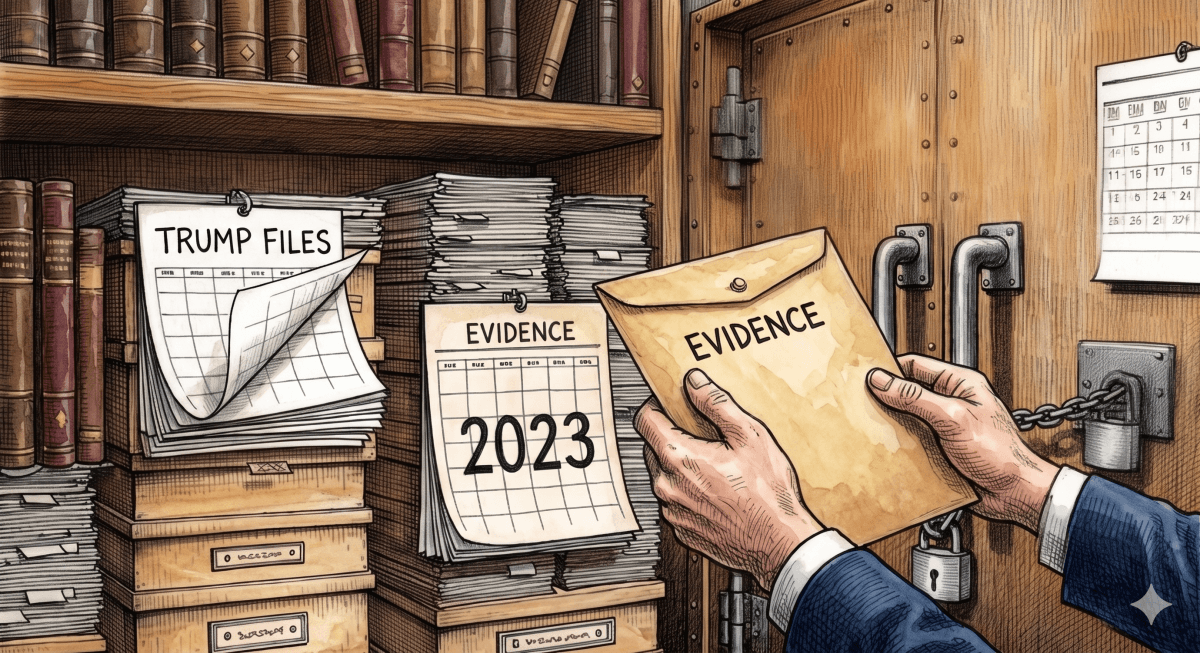
FBI documents connected to former special counsel Jack Smith’s investigation into President Donald Trump reveal that bureau officials enacted extensive, long-term preservation protocols for case materials, with retention timelines extending to at least 2030. These measures were implemented even after the formal closure of the prosecution, according to records obtained by Just the News. The findings suggest a strategic approach to maintaining evidence related to the "Arctic Frost" probe, which focused on alleged efforts to contest the 2020 election.
"Maintaining extensive investigative records after a case ends risks blurring the boundary between closed investigations and future case preparation." — Bud Cummins, Former Federal Prosecutor.
The investigative files, which include search warrant returns, interview transcripts, and discovery produced during the inquiry, were not returned or disposed of once Smith concluded the case. This decision was made ahead of President Trump’s return to office. Instead, the materials were subjected to formal preservation directives and legal holds, ensuring they remained within FBI custody despite the completion of closure proceedings. Internal documentation clarifies that these materials continue to be subject to agency preservation rules, citing ongoing legal and administrative obligations even after active prosecution ceased.
Separate closing paperwork, issued in early 2025, further outlines that investigative findings reiterating allegations related to efforts to contest the 2020 election were formally memorialized. This was done as part of the shutdown process for what was designated a "Sensitive Investigative Matter" involving a presidential candidate. The documents also provide details regarding the multi-layered approval processes required for both initiating and concluding the inquiry.
The "Arctic Frost" case was ultimately shut down following President Trump's election victory and a subsequent decision by the Justice Department to terminate the indictments without prejudice. This procedural outcome effectively closed the court action but crucially left the underlying charges legally unresolved. This means the allegations remain subject to potential future prosecutorial discretion, a point that has drawn significant scrutiny.
Despite the case closure, the documents explicitly state that the investigative materials will remain under FBI control until at least February 2030. This extended timeframe is linked to internal retention policy and specific restrictions surrounding the prosecution of sitting presidents. Officials cited standard preservation rules and ongoing legal obligations as the primary basis for maintaining custody of these records for such an extended period.
Further internal communications from a deputy special counsel associated with Smith’s office corroborate the decision to wind down the case while simultaneously retaining the evidence. These communications underscore that the dismissal of the case stemmed from considerations related to President Trump's presidential status, rather than any definitive determination on the underlying allegations themselves. The records additionally characterize the investigation as being grounded in what officials described as specific factual indicators related to alleged efforts to disrupt or influence the 2020 election certification process across multiple states.
The retention of these investigative materials has drawn criticism from figures such as FBI Director Kash Patel. In comments to Just the News, Patel characterized the practice as an example of the political misuse of federal law enforcement authority. He questioned the justification for preserving prosecutorial case files long after the formal closure of an investigation.
Former federal prosecutor Bud Cummins echoed these concerns, arguing to the outlet that maintaining extensive investigative records after a case has concluded risks blurring the critical boundary between genuinely closed investigations and the preparation of future cases. Such a practice, he suggested, could undermine public trust in the impartiality of federal law enforcement.
The documents indicate that the "Arctic Frost" investigation received approvals during the tenure of then-Attorney General Merrick Garland and then-FBI Director Christopher Wray. This probe was conducted as part of broader federal investigations into the 2020 election and the events of January 6th at the U.S. Capitol. The long-term retention of these files raises questions about the intent behind maintaining such an extensive archive for a case that was officially closed due to a sitting president's status.

