


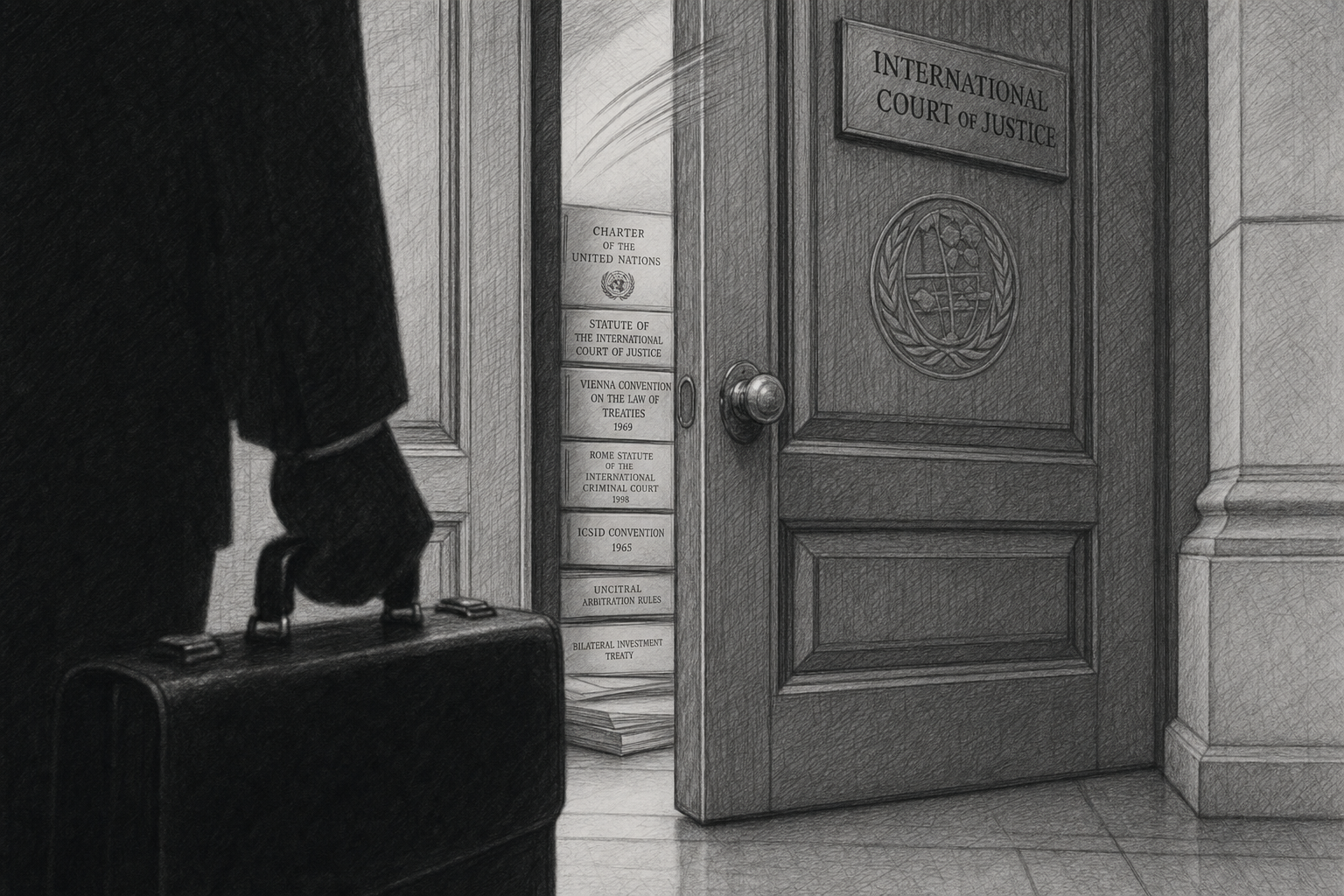
The U.S. Supreme Court delivered a significant ruling this week, determining that federal law does not allow private plaintiffs to pursue aiding-and-abetting claims under either the Alien Tort Statute (ATS) or the Torture Victim Protection Act (TVPA). The 6-3 decision, which reverses a lower court's ruling, represents a major victory for American companies, including Cisco Systems, Inc., which had been facing international human rights litigation.
"Today, we close the door that Sosa cracked and hold that courts may not create new causes of action for violations of international norms." — Justice Amy Coney Barrett, Supreme Court Justice
The case, *Cisco Systems, Inc. v. Doe*, stemmed from allegations brought by unnamed Falun Gong practitioners. They claimed that Cisco and several of its executives assisted Chinese authorities by providing technology used in surveillance operations that targeted Falun Gong adherents. The Ninth Circuit Court of Appeals had previously allowed portions of the lawsuit to proceed, setting the stage for the Supreme Court's review.
Justice Amy Coney Barrett authored the majority opinion, joined by Chief Justice John Roberts and Justices Clarence Thomas, Samuel Alito, Neil Gorsuch, and Brett Kavanaugh. The majority emphasized that the authority to create legal causes of action rests with Congress, not federal courts. "Today, we close the door that Sosa cracked and hold that courts may not create new causes of action for violations of international norms," Barrett wrote. She further stated, "We also hold that the Torture Victim Protection Act of 1991, which contains an express cause of action, does not provide for aiding-and-abetting liability." Justice Barrett described the judicial creation of new legal claims as "an extraordinary act that places great stress on the separation of powers." The Court's majority concluded that while the Alien Tort Statute grants jurisdiction to federal courts, it does not inherently authorize new causes of action for alleged violations of international law. Similarly, they found that the Torture Victim Protection Act does not permit lawsuits based on theories of aiding-and-abetting liability.
The administration of President Donald Trump actively supported Cisco throughout the litigation. The U.S. solicitor general participated in oral arguments, urging the Supreme Court to limit the judicial expansion of international human rights claims against American companies. This stance aligned with arguments made by supporters of the ruling, who contend that it reduces legal uncertainty for businesses operating internationally and helps to limit judicial involvement in complex foreign policy matters.
The ruling was met with dissent from three justices. Justice Sonia Sotomayor authored a broader dissent, joined in significant portions by Justices Elena Kagan and Ketanji Brown Jackson. Justice Sotomayor argued that the majority's decision abandoned decades of established precedent concerning international human rights litigation. She wrote that the ruling "jettisons two decades of settled precedent" and effectively "shuts the courthouse doors to almost any claimed violation of international law under the ATS." Justice Jackson also concurred in part and dissented in part, with Justice Kagan joining portions of her opinion. While Justice Jackson agreed with limiting claims under the Alien Tort Statute, she contended that the Torture Victim Protection Act could, under certain circumstances, permit aiding-and-abetting liability.
This landmark decision is expected to have far-reaching implications for future lawsuits. It sets new limits on the ability of private plaintiffs to bring human rights claims against American corporations accused of facilitating abuses abroad. The ruling clarifies the scope of federal courts' power in creating causes of action under international law, reinforcing the principle that such authority primarily belongs to the legislative branch. Businesses operating globally may find greater clarity regarding their potential liability in human rights cases, while advocates for human rights may face increased challenges in holding corporations accountable through U.S. courts. The decision underscores a long-standing debate over the balance between corporate liability, judicial activism, and congressional authority in addressing international human rights issues.
The Supreme Court's ruling in *Cisco Systems, Inc. v. Doe* marks a pivotal moment for U.S. businesses and the landscape of international human rights litigation. By narrowing the avenues for private lawsuits based on aiding-and-abetting theories under key federal statutes, the Court has clarified judicial boundaries and potentially shifted the onus for creating new legal remedies to Congress.

