
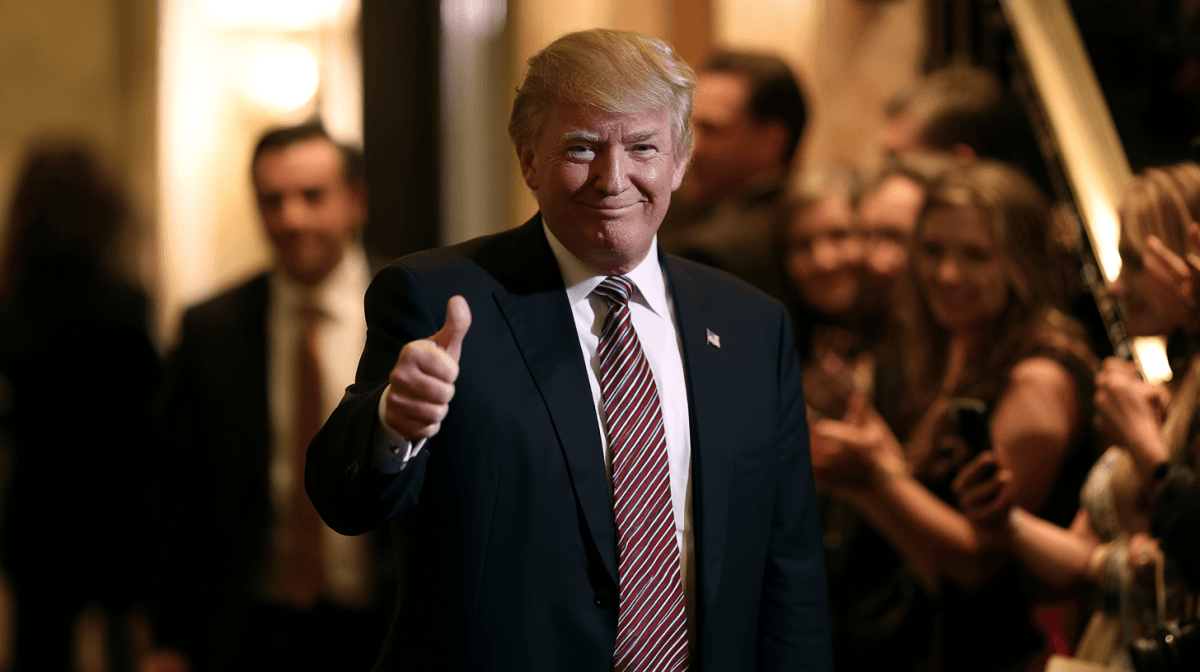
In a series of Republican state Senate primaries across Indiana, candidates endorsed by President Donald Trump achieved notable victories, unseating several incumbent lawmakers. These elections, held recently, underscored the President's enduring influence within the Republican Party and highlighted deepening divisions over legislative strategy and party loyalty in the state. The catalyst for these contests stemmed from an earlier dispute over a proposed mid-decade redistricting plan for Indiana’s congressional map.
The redistricting proposal aimed to redraw congressional districts in a manner that would have fortified Republican control. President Trump had publicly supported this measure, aligning it with broader national efforts to strengthen GOP representation in Congress. However, the plan encountered resistance within the state legislature, where a contingent of Republican state senators joined Democratic colleagues to block its passage. This bipartisan opposition to the redistricting effort became the central issue that defined the subsequent primary challenges.
What began as a procedural disagreement within the statehouse quickly escalated into a significant test of alignment with President Trump's national political agenda. Following the defeat of the redistricting plan, President Trump and a network of allied political organizations actively endorsed challengers in multiple Republican primaries. This strategic intervention transformed what were traditionally local or regional races into heavily nationalized contests, attracting substantial outside attention and financial investment.
Financial support played a pivotal role in amplifying the scope and intensity of these primary battles. According to reports, Trump-aligned organizations and affiliated political networks collectively invested over $10 million in advertising and campaign efforts. This substantial funding was primarily directed towards supporting the challengers and opposing the incumbent senators who had voted against the redistricting proposal. State Republican leadership made efforts to defend the sitting senators, but the sheer scale of outside spending proved effective in elevating the profiles of the challengers and shifting the dynamics of several races into high-stakes political confrontations.
When the primary votes were tallied, President Trump-endorsed candidates secured victories in the majority of the targeted races. Multiple incumbents lost their bids for re-election, while others narrowly managed to retain their seats. The outcomes varied across individual districts, but the overall performance indicated strong support for candidates aligned with President Trump’s endorsements among Republican primary voters in Indiana. This outcome signals President Trump's continued ability to shape the direction of the Republican Party at the state level.
Despite the broad success of candidates backed by President Trump, the results were not entirely uniform. A small number of incumbent senators successfully defended their seats, and several contests concluded with extremely close margins. This mix of outcomes suggests that while President Trump’s endorsement remains a potent force within Republican primaries, it does not guarantee victory in every district or across all voter demographics. The varying results underscore the complex interplay of national influence and local political factors.
The election results immediately sparked differing interpretations within the Republican Party. Supporters of the winning challengers characterized the outcomes as a clear rejection of establishment resistance and an affirmation of voters' alignment with President Trump’s political direction. Some allies of President Trump framed these elections as evidence of a reconfigured state party, one increasingly oriented toward national priorities rather than internal legislative caution or traditional state-focused policy debates.
Conversely, some of the defeated incumbents and their supporters offered a different perspective. They argued that the races were disproportionately influenced by the influx of outside spending and national political pressure, rather than being decided on local policy disagreements or the incumbents' legislative records. These critics contended that the singular focus on the redistricting vote had effectively transformed state-focused elections into referendums on national political loyalty, overshadowing other important state-level issues.
Looking beyond the immediate electoral results, attention has now shifted to the broader implications for Indiana’s legislative landscape. Should the newly elected primary winners prevail in the general election, their presence could significantly alter the balance of power within the Republican caucus in the state Senate. Such a shift might make future efforts at redistricting more likely to align with priorities championed by President Trump, particularly concerning the drawing of congressional maps and strategies aimed at enhancing party advantage.
These Indiana primaries also reflect a broader national trend in American politics: the growing influence of national figures and organizations in state-level elections. Historically, state contests were largely shaped by local issues, regional party structures, and candidates' direct engagement with their constituents. However, races like those recently concluded in Indiana are increasingly influenced by national endorsements, extensive outside spending networks, and wider ideological conflicts playing out within the major political parties. As the dust settles, Indiana’s primary elections are being observed as another illustration of how internal Republican divisions continue to manifest at the state level, with potential long-term consequences not only for legislative control within Indiana but also for how state parties navigate their alignment with national political figures in future election cycles.