


Breaking
Sponsor Advertisement
Press Secretary Karoline Leavitt Welcomes Second Child Viviana
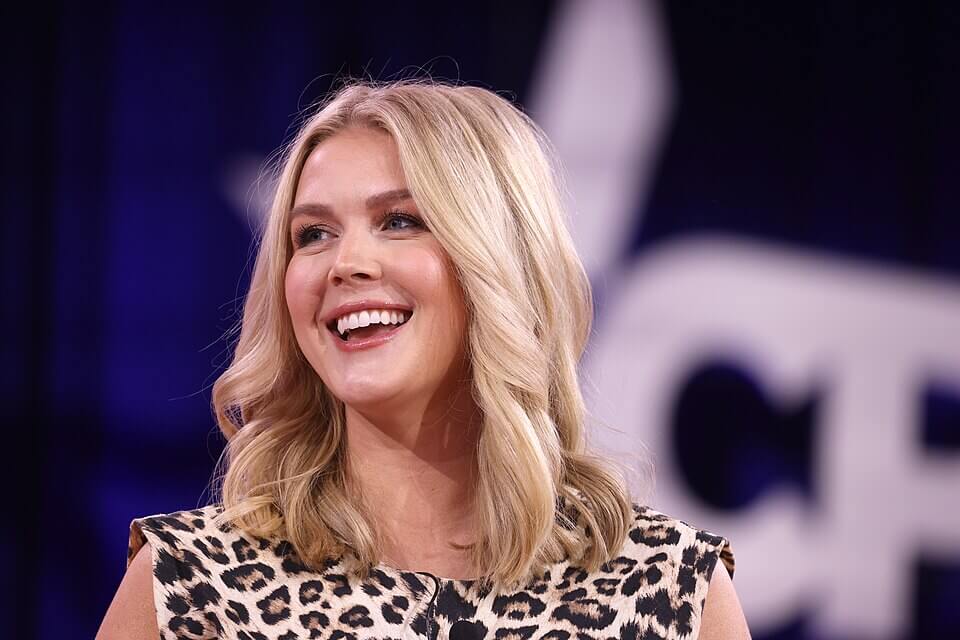
Press Secretary Karoline Leavitt - Source Wikimedia. Credit: Gage Skidmore from Surprise, AZ, United States of America

Press Secretary Karoline Leavitt Welcomes Second Child Viviana

White House Press Secretary Karoline Leavitt announced the birth of her second child, daughter Viviana, on May 1. She is currently on maternity leave, with administration officials rotating media briefing responsibilities during her absence.
Jump to The Flipside Perspectives

White House Press Secretary Karoline Leavitt announced Wednesday, May 7, that she gave birth to her second child, a daughter named Viviana, on May 1. Leavitt shared the news via an Instagram post, confirming that both the baby, affectionately called "Vivi," and her older brother, Niko, are healthy. The announcement included a thank you to supporters for their well wishes throughout her pregnancy, concluding with the sentiment, "God is Good."

"President Trump and White House Chief of Staff Susie Wiles have created a pro-family environment." — Karoline Leavitt, White House Press Secretary

Viviana is Leavitt’s second child with her husband, Nicholas Riccio, a real estate developer. The couple previously welcomed their first child, Niko, in July 2024, shortly after Leavitt joined President Donald Trump's administration. At 28 years old, Leavitt holds the distinction of being the youngest White House press secretary.

Following Viviana's birth, Leavitt is taking maternity leave from her role. White House officials have not yet named a permanent temporary replacement to cover her absence from media briefings. Instead, the administration plans to implement a rotation system, with various officials sharing the responsibilities of conducting press briefings. According to a Politico report, this arrangement could see Vice President JD Vance, Cabinet officials, and even President Trump himself participating in media briefings while Leavitt is away from the podium.

Leavitt first announced her second pregnancy in December, describing the impending arrival of a baby girl as "the greatest Christmas gift we could ever ask for" in a social media post at the time. She also publicly thanked President Trump and White House Chief of Staff Susie Wiles for fostering what she termed a "pro-family environment" within the administration. Leavitt has consistently characterized the White House as supportive of working parents and families, an environment she has credited for enabling her to balance her demanding professional responsibilities with her growing family.

Her second pregnancy garnered public attention, particularly when she attended the 2026 White House Correspondents’ Dinner while heavily pregnant. During the event, guests experienced an active-shooter threat, which authorities later neutralized without any injuries. Days after this incident, Leavitt returned to the White House briefing room, expressing her hope that it would be her final briefing before giving birth. However, she continued to appear in the briefing room during the final weeks of her pregnancy, as reported by the Daily Mail.

Adding a unique detail to the birth story, mentalist Oz Pearlman reportedly predicted the baby's name. Pearlman told ABC News that he had correctly guessed Viviana's name after receiving Leavitt's permission to discuss his prediction.

Leavitt's marriage to Nicholas Riccio has also been a subject of public interest, largely due to their 31-year age difference; Riccio is 60. In a March interview with Megyn Kelly, Leavitt described their relationship as "a very atypical love story." She recounted meeting Riccio in 2022 during her unsuccessful congressional campaign in New Hampshire. The two met after a mutual friend invited Riccio to an event at a restaurant he owned in New Hampshire, initially becoming friends before their relationship developed.

Leavitt has previously spoken about the strains her intensive White House schedule places on her family life and travel plans. In a November interview with the Daily Mail, she mentioned that family trips had been canceled owing to foreign policy developments and work demands. Despite the unpredictable nature of her position, Leavitt stated that she and her husband have adapted to the demands, making the most of evenings together whenever her responsibilities permit time at home. The announcement of Viviana's birth marks a new chapter for the Leavitt-Riccio family amidst her high-profile role in the administration.


Advertisement

The Flipside: Different Perspectives

Progressive View

The birth of Karoline Leavitt's second child and her maternity leave underscore critical conversations around systemic support for working parents, particularly mothers, in high-demand roles. While Leavitt describes a "pro-family environment" within the White House, her situation highlights the broader need for comprehensive, equitable parental leave policies and affordable childcare infrastructure that extend beyond specific administrations or individual employers. For many working families, especially those without the resources or high-level support that a White House Press Secretary might command, balancing career and family remains a significant challenge. A progressive perspective emphasizes that a truly "pro-family" society requires universal access to paid family leave, ensuring that all parents, regardless of their profession or economic status, can afford to take time off for childbirth and early childcare without financial hardship. Furthermore, the reliance on rotating officials during Leavitt's absence, while a temporary solution, points to the need for robust, institutionalized support systems that guarantee continuity and minimize stress for both the parent on leave and their colleagues. This situation should prompt a deeper examination of how public policy can create a more just and supportive environment for all working parents.

Conservative View

The announcement of White House Press Secretary Karoline Leavitt's second child, and her subsequent maternity leave, highlights the importance of individual choice and employer flexibility in balancing career and family. From a conservative perspective, Leavitt's experience within the Trump administration exemplifies how a supportive workplace environment, rather than government mandates, can empower individuals to pursue both professional ambitions and personal family growth. The administration's "pro-family environment," as described by Leavitt, suggests a culture where personal responsibility for family planning is respected and accommodated through workplace policies, such as flexible scheduling and leave options, implemented at the organizational level. This approach aligns with principles of limited government intervention, emphasizing that private entities and individual employers are best positioned to determine appropriate support for their employees, fostering a dynamic where individual liberty to make life choices is paramount. The rotation of briefing responsibilities during Leavitt's absence demonstrates practical solutions derived from internal flexibility, allowing a valuable employee to attend to family needs without requiring broad, government-imposed mandates that could stifle economic freedom or burden businesses.

Common Ground

Despite differing approaches to policy, there is significant common ground regarding the value of supporting working families and ensuring parents can balance professional responsibilities with the demands of raising children. Both conservatives and progressives can agree on the fundamental importance of healthy family units and the well-being of children. The ability for parents, particularly mothers, to take time for childbirth and early bonding is widely recognized as beneficial for child development and parental mental health. Discussions surrounding Karoline Leavitt's maternity leave can serve as a starting point for bipartisan dialogue on how best to create workplaces that accommodate parental needs. This could involve exploring various models, from employer-led flexibility and private sector incentives to publicly supported programs that ease the financial burdens of childcare. The shared goal is to foster an environment where individuals are not forced to choose between career advancement and family responsibilities, ultimately strengthening families and contributing to a more stable and prosperous society for future generations.

What's your view on this story? Share your thoughts and remember to consider multiple perspectives and being respectful when forming and voicing your opinion. "If you resort to personal attacks, you have already lost the debate..."

Advertisement

Contact Us About This Article

Have a question or comment about this article? We'd love to hear from you.

About Fair Side News

At Fair Side News, we believe in presenting news with perspectives from both sides of the political spectrum. Our goal is to help readers understand different viewpoints and find common ground on important issues.