
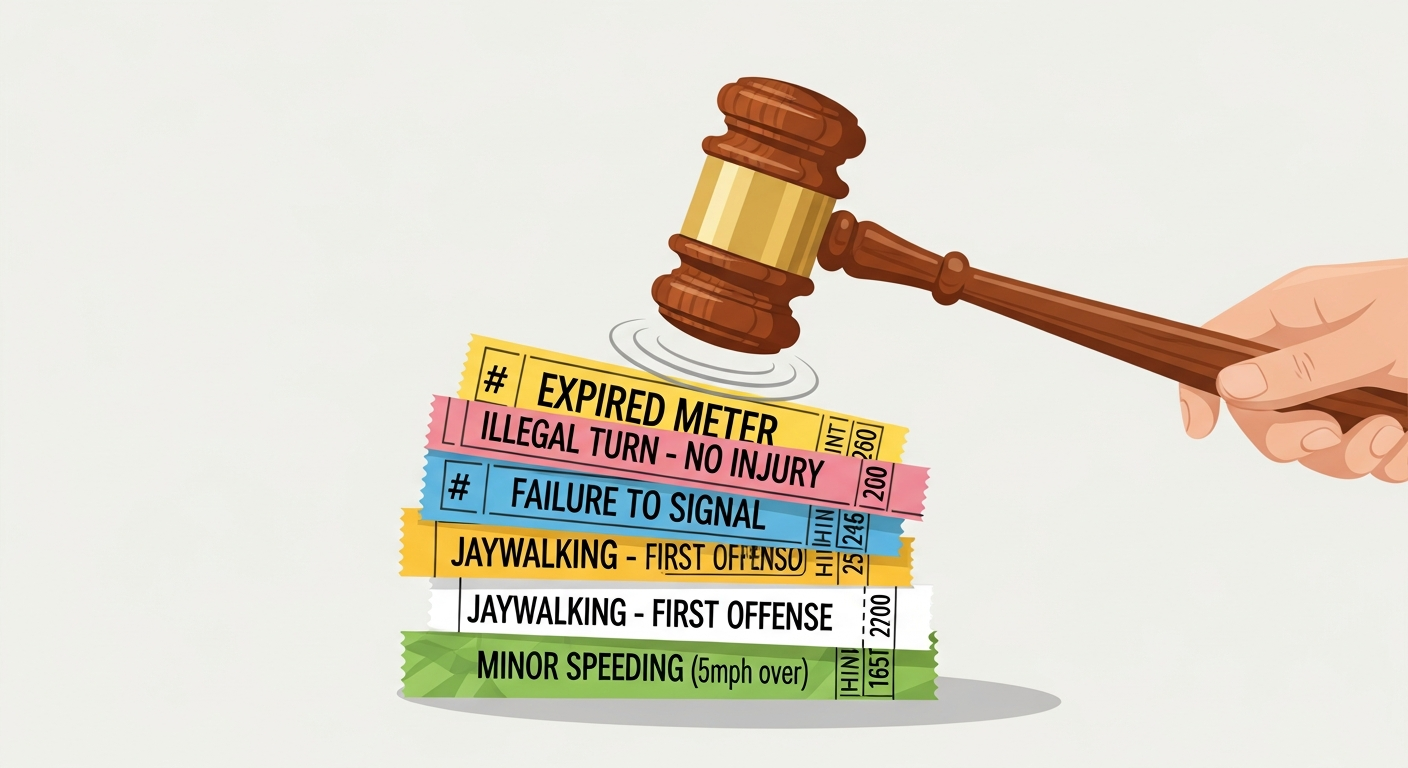
The Los Angeles City Council has unanimously voted to advance a policy aimed at restricting "pretextual" traffic stops, which would significantly limit when police can pull over drivers for minor violations unless there is an immediate safety concern. The 14-0 vote, held recently, directs the Los Angeles Police Commission to consider new rules that would prohibit officers from initiating stops based solely on minor equipment or administrative infractions, such as a broken taillight or hanging objects from a rearview mirror, unless these violations pose a clear and significant safety risk.
This reform effort comes amidst growing concerns among residents and civil rights advocates regarding discretionary stops. Council President Marqueece Harris-Dawson, a key proponent of the proposal, stated that the measure signifies a step toward reshaping policing practices within the city. Supporters of the change frequently cite city data indicating that tens of thousands of pretextual stops have occurred in recent years, with Black and Latino residents disproportionately subjected to these encounters. Advocacy organizations argue that this practice has contributed to strained police-community relations without consistently yielding improvements in public safety outcomes. Civil rights groups, including the ACLU and Catalyst California, have consistently advocated for limits on such stops, contending that they often escalate routine interactions into searches or citations with limited evidence of serious criminal activity.
Mayor Karen Bass has expressed her support for implementing the council’s directive. She has committed to working with the Police Commission and LAPD leadership to ensure that any policy changes are properly carried out, including the provision of necessary training for officers.
Conversely, the Los Angeles Police Department (LAPD) has historically defended the use of traffic stops, viewing them as an important investigative tool. Police Chief Jim McDonnell has argued that these stops can be instrumental in identifying weapons, locating stolen vehicles, and addressing dangerous driving behaviors that contribute to roadway fatalities. According to reporting and city data, the LAPD conducted more than 70,000 pretextual stops between 2022 and 2025. Approximately 30 percent of these stops reportedly resulted in additional violations, such as findings related to drugs or weapons.
The unanimous vote by the City Council does not immediately alter current enforcement policy. Instead, it formally places pressure on the civilian oversight body, the Police Commission, to adopt stricter guidelines governing when officers may conduct stops based on minor infractions. Current LAPD rules, which were adopted in 2022, mandate that officers must document the justification for traffic stops and utilize body-worn cameras to record interactions, particularly when stops initiated for minor violations evolve into broader investigations.
The debate surrounding these policy changes positions Los Angeles at the forefront of a national discussion concerning the appropriate limits of discretionary policing. While proponents of the reform emphasize addressing racial disparities and improving community trust, opponents caution that restricting officer discretion could potentially reduce proactive enforcement efforts against more serious crimes. The proposal now sets the stage for further deliberation among city officials, police leadership, and the Police Commission as they seek to define the future of traffic enforcement in the nation’s second-largest city.