

Breaking
Sponsor Advertisement
Charlotte Mayor Vi Lyles Announces Early Resignation
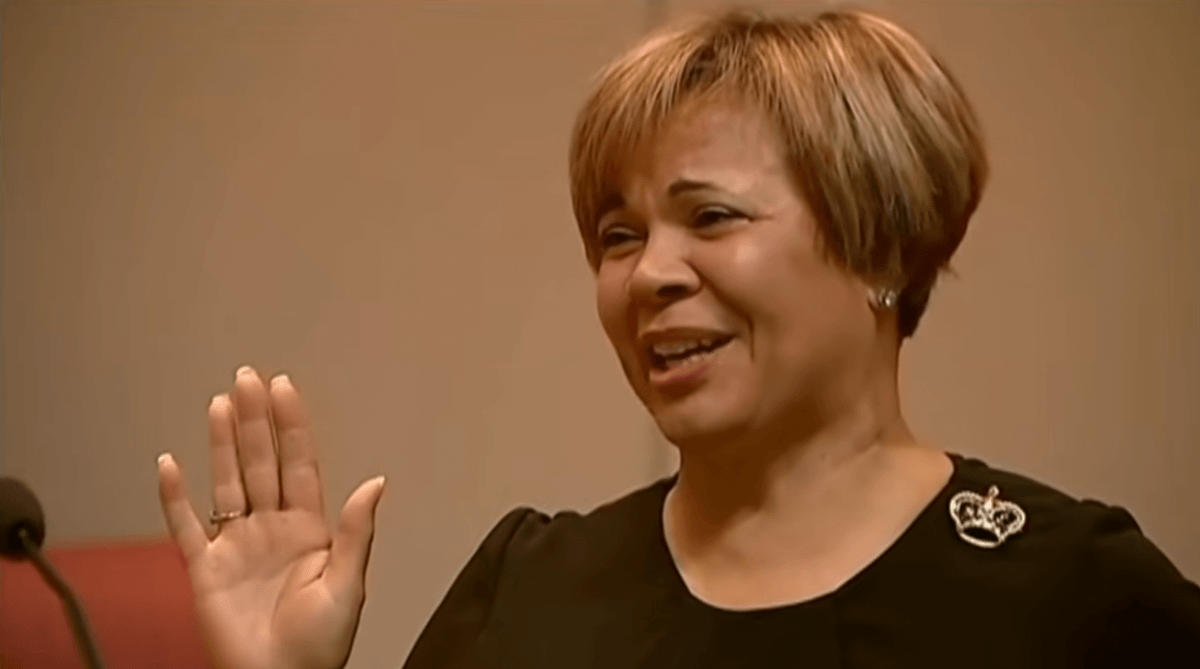
Charlotte Mayor Vi Lyles - screencap from from WSOCTV9 here: https://www.youtube.com/watch?v=HK4PL9l6Gms - fair use

Charlotte Mayor Vi Lyles Announces Early Resignation

Charlotte Mayor Vi Lyles announced her resignation effective June 30, stating personal family priorities and a desire for new leadership prompted her decision. She will not seek re-election, marking an early end to her term and long public service career in the city.
Jump to The Flipside Perspectives

Charlotte Mayor Vi Lyles has announced her resignation from office, effective June 30, confirming she will not seek re-election. The decision marks an earlier-than-anticipated departure for one of Charlotte's most seasoned political figures, who cited personal reasons, including family priorities and a desire to step away from public life, for her decision.

"We will never arrest our way out of issues such as homelessness and mental health." — Vi Lyles, Charlotte Mayor

In a statement, Mayor Lyles expressed gratitude for her time in office. "Serving as Charlotte’s mayor has been the honor of my life," she said, adding that she intends to spend more time with her grandchildren. Lyles also conveyed her belief that it is time for new leadership to guide the city forward, stating she would not make an endorsement in the upcoming mayoral contest. Her early exit concludes a tenure marked by significant civic engagement and a long career in local governance.

Mayor Lyles made history as Charlotte’s first Black female mayor, first elected in 2017. Her career in public service spans more than three decades, including extensive experience on the Charlotte City Council and as Mayor Pro Tem before ascending to the city's top office. Prior to her mayoral term, she held senior administrative roles within city government, accumulating a deep understanding of municipal budgeting and city operations, according to The Charlotte Observer.

During her time as mayor, Charlotte experienced a period of sustained economic growth and a steady increase in population. Her administration prioritized job creation, strategic neighborhood investment, and long-term infrastructure planning. A notable achievement during her leadership was the successful approval of a voter-backed sales tax increase, specifically earmarked to fund a major transportation expansion plan, a project she consistently championed.

Lyles emphasized the importance of leadership transitions in her announcement. "I also firmly believe that true leadership includes knowing when it is time to let the next generation of leaders take over," she stated. She added that stepping down early would provide voters with more time to evaluate candidates and facilitate a smoother political transition for the city.

The mayor's decision to resign comes amid heightened scrutiny surrounding her public schedule and visibility in recent months. Local media reports had raised questions about her reduced attendance at some meetings and instances of perceived confusion during public remarks. Earlier this week, when asked about completing her term, Lyles' response of, “We will see,” fueled speculation about her future in office, as reported by WFAE.

Her leadership also faced increased public attention following the tragic murder of Ukrainian immigrant Iryna Zarutska on Charlotte’s light rail system. This incident intensified public debate over crime, policing strategies, and the security of the city's transit infrastructure. In the aftermath, Mayor Lyles offered comments emphasizing broader social and mental health issues as contributing factors to crime. She stated, "We will never arrest our way out of issues such as homelessness and mental health," and drew a comparison between mental illness and physical disease, advocating for treatment and compassion. These remarks, however, drew criticism from those who argued they downplayed the importance of accountability and law enforcement in addressing public safety concerns.

With Mayor Lyles' departure set for June 30, the Charlotte City Council will assume the responsibility of selecting an interim mayor to serve the remainder of her term. City regulations permit the interim replacement to be chosen from within the existing council membership or potentially from outside, a mechanism that has been utilized in previous mid-term vacancies. Lyles expressed confidence in the city's stability during this period, highlighting Charlotte's professional staff and its city manager system as robust safeguards for the transition. She also conveyed optimism regarding the city's future trajectory, believing Charlotte remains on a strong path despite her early exit, WCNC reported.

Mayor Lyles' resignation marks the conclusion of a significant chapter in Charlotte politics. While she has consistently secured strong electoral support in recent contests, her departure opens a competitive race for the city's next mayoral term, with public safety, managing urban growth, and infrastructure funding remaining prominent issues for voters.

Watch coverage from WSOCTV9 here: https://www.youtube.com/watch?v=HK4PL9l6Gms
Advertisement

The Flipside: Different Perspectives

Progressive View

Mayor Vi Lyles' resignation marks the end of a significant era for Charlotte, led by its first Black female mayor, whose administration focused on inclusive growth and community investment. From a progressive viewpoint, her emphasis on addressing the root causes of crime—such as homelessness and mental health—reflects a compassionate and holistic understanding of public safety. Her statement, "We will never arrest our way out of issues such as homelessness and mental health," aligns with a progressive approach that advocates for systemic solutions, including expanded social services, affordable housing initiatives, and accessible mental healthcare, rather than solely relying on punitive measures.

Lyles' legacy of promoting job creation, neighborhood investment, and critical infrastructure development, like the transportation expansion plan, demonstrates a commitment to collective well-being and equitable access to opportunities. As Charlotte moves forward, the progressive perspective calls for a new leader who will continue to prioritize social justice, address systemic inequities, and ensure that the city's growth benefits all its residents, particularly those in underserved communities. The next mayor should build upon Lyles' efforts to create a more just and inclusive city, recognizing that true public safety stems from a foundation of social and economic equity.

Conservative View

The resignation of Mayor Vi Lyles presents Charlotte with an opportunity to reassess its priorities, particularly concerning public safety and urban governance. The conservative perspective emphasizes a strong commitment to law and order, holding that the primary duty of city leadership is to ensure the security of its citizens. Remarks suggesting that crime cannot be addressed solely through arrests risk undermining the efforts of law enforcement and may inadvertently signal a diminished focus on accountability. Effective policing, coupled with clear consequences for criminal behavior, is seen as fundamental to maintaining a safe environment for residents and businesses.

Furthermore, leadership transitions should prioritize continuity and efficiency in city operations. A new mayor must be prepared to tackle pressing issues like infrastructure funding with fiscal prudence, ensuring taxpayer dollars are spent responsibly and transparently. While addressing social issues is important, it should not overshadow the imperative of robust enforcement and the protection of individual property rights. Conservatives would advocate for a mayoral candidate who champions limited government intervention, fosters a business-friendly environment to drive economic growth, and prioritizes the core functions of municipal government over expansive social programs, ensuring that Charlotte remains a city where personal responsibility and individual liberty can thrive.

Common Ground

Despite differing approaches, there are genuine areas of common ground regarding Charlotte's future following Mayor Lyles' resignation. Both conservative and progressive viewpoints agree on the fundamental importance of public safety and the need for effective city governance. All residents desire a secure environment, and ensuring the well-being of the community is a shared priority, even if the methods to achieve it may vary.

Furthermore, there is bipartisan consensus on the necessity of sound infrastructure and continued economic stability for Charlotte. The city's growth and development are crucial for its residents, and investment in transportation, utilities, and job creation benefits everyone. The upcoming mayoral transition provides an opportunity for all stakeholders to engage constructively in selecting a leader who can maintain Charlotte's positive trajectory, manage its growth effectively, and ensure that the city's administrative functions continue smoothly. A shared commitment to transparent and accountable leadership will be vital for the city's ongoing success.
Watch coverage from WSOCTV9 here: https://www.youtube.com/watch?v=HK4PL9l6Gms

What's your view on this story? Share your thoughts and remember to consider multiple perspectives and being respectful when forming and voicing your opinion. "If you resort to personal attacks, you have already lost the debate..."

Advertisement

Contact Us About This Article

Have a question or comment about this article? We'd love to hear from you.

About Fair Side News

At Fair Side News, we believe in presenting news with perspectives from both sides of the political spectrum. Our goal is to help readers understand different viewpoints and find common ground on important issues.