


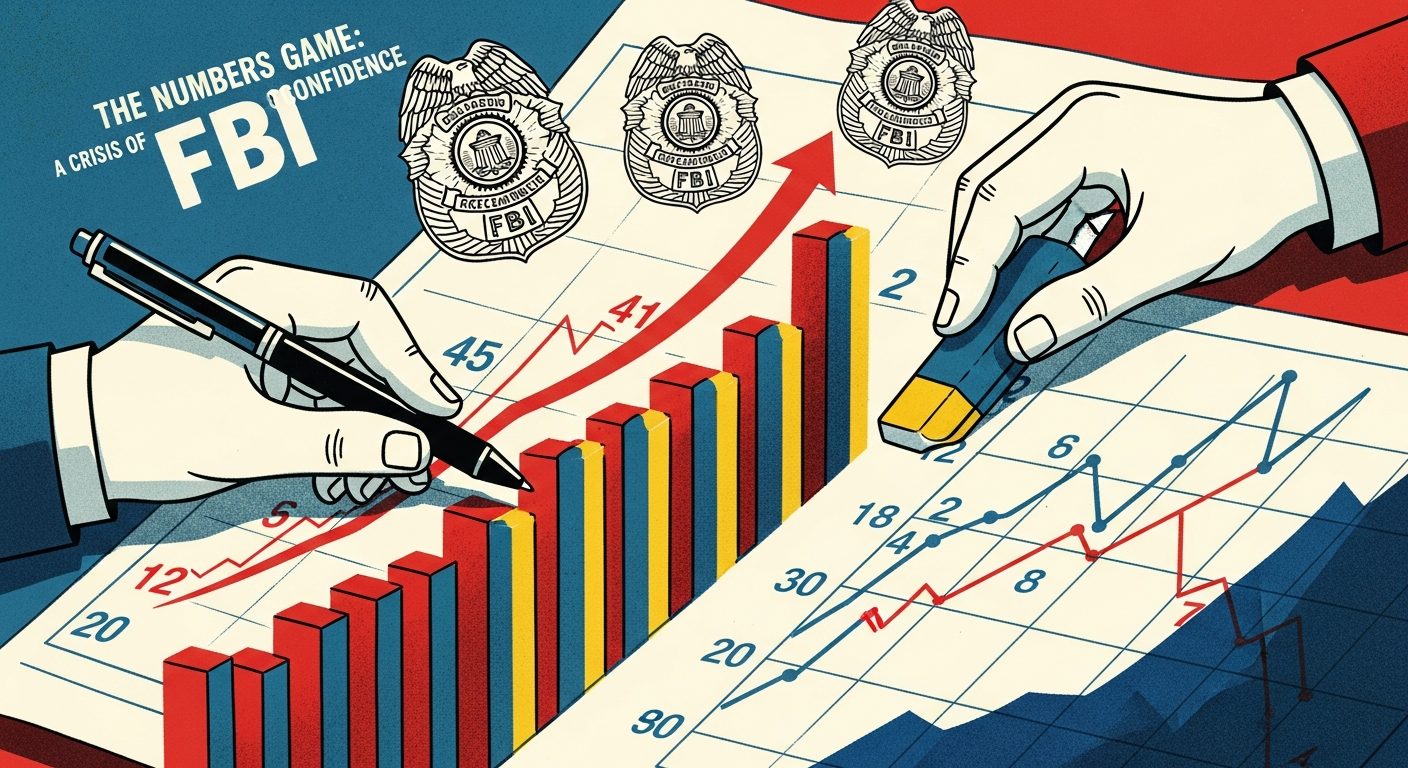
Internal critics within the Federal Bureau of Investigation (FBI) are raising significant concerns about the leadership of Director Kash Patel, alleging that he has deliberately inflated arrest statistics and manipulated the FBI’s Most Wanted list. These accusations, detailed in a report by NBC News journalists Ken Dilanian and Carol Leonnig, suggest a concerted effort to boost the bureau’s public record under Patel's tenure.
"The contentions here seeking to discredit law enforcement are false." — Ben Williamson, FBI Spokesman
The report, citing multiple law enforcement sources including officials inside the FBI, highlighted concerns over the public presentation of arrest data. Critics inside the bureau claim that Patel’s leadership team has accelerated additions to the FBI’s Most Wanted list in ways deemed misleading or politically motivated by current and former officials. Ken Dilanian commented during an MSNBC appearance that there has been “more movement than we’ve ever seen” regarding the Most Wanted list since Patel assumed the directorship.
Specific examples cited in the report underscore the allegations of manipulation. Four fugitives apprehended during Director Patel’s leadership were reportedly added to the FBI’s Most Wanted list only about one month before their arrests. Even more strikingly, two additional fugitives were allegedly placed on the list less than 24 hours prior to being taken into custody by law enforcement authorities. One particular suspect was reportedly added to the list approximately one hour before their arrest, according to sources cited in the NBC News examination of bureau practices. These rapid additions and subsequent arrests have led critics to question whether individuals were strategically placed on the list shortly before their capture to create an impression of heightened FBI effectiveness.
Beyond the Most Wanted list, the report also alleged that the FBI has increasingly taken credit for arrests primarily carried out by other agencies. This practice, described by critics within the bureau as “double-dipping,” occurs when FBI agents are present during operations or participate in supporting roles, allowing the bureau to publicly claim responsibility for arrests led by other federal or local agencies. Many of the arrests highlighted by Patel’s FBI have reportedly involved immigration enforcement operations conducted jointly with US Immigration and Customs Enforcement (ICE), further fueling the "double-dipping" allegations.
These accusations emerge as Director Patel has consistently argued that violent criminal arrests have significantly increased since President Donald Trump returned to power. This narrative aligns with the administration's emphasis on law and order and crime reduction. However, FBI spokesman Ben Williamson has vehemently rejected the accusations leveled against Director Patel and the bureau. Williamson defended the FBI’s statistics and public statements regarding arrests and crime reduction efforts. “The contentions here seeking to discredit law enforcement are false,” Williamson stated in response to the NBC News report and the allegations surrounding Patel’s leadership. He further accused media outlets of attempting to undermine the genuine achievements of law enforcement in apprehending violent criminals and fugitives during the current administration.
The latest controversy adds to a growing wave of scrutiny surrounding Director Patel’s leadership at the FBI. He has faced multiple recent controversies involving management practices and public conduct. Notably, Patel is currently engaged in a lawsuit against The Atlantic over reports alleging concerns within the bureau regarding his alcohol use and attendance during official duties. During a recent congressional hearing, Director Patel publicly denied these allegations, rejecting claims that his leadership has disrupted internal FBI operations. The confluence of these issues suggests a period of heightened internal and external pressure on the FBI and its current director.

