


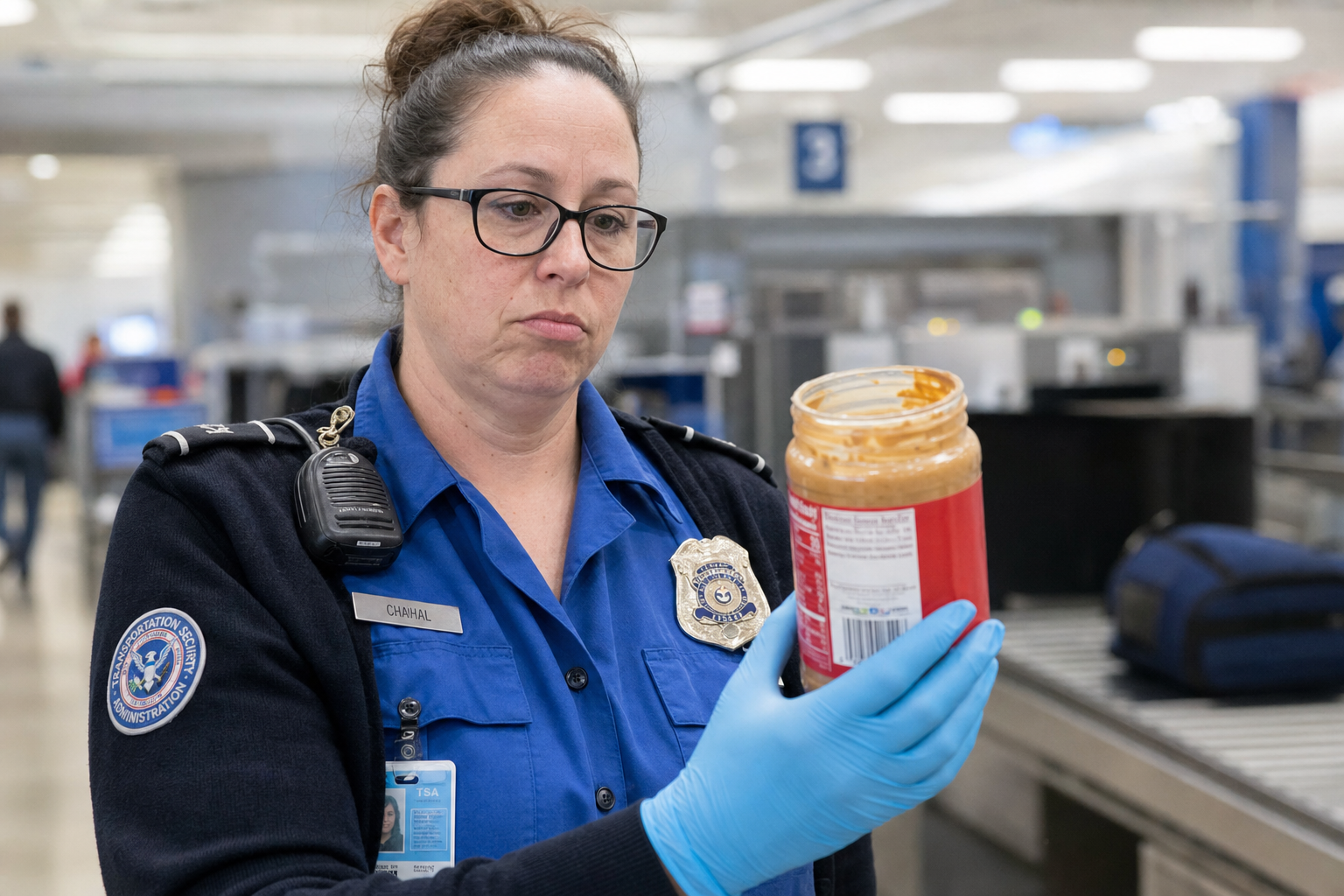
A routine baggage screening operation at Indianapolis International Airport (IND) recently escalated into a full-scale explosives investigation after Transportation Security Administration (TSA) officers identified two live smoke grenades within a passenger's checked luggage. One of the devices was found cleverly concealed inside a jar of peanut butter, prompting heightened security concerns and a coordinated response from airport authorities.
"With the concealment method used, we had concern about the intentions and, as a result, quickly incorporated the airport police and airline station manager to ensure we approached the traveler in a cautious and safe manner." — Aaron Batt, Indiana TSA Federal Security Director
The discovery unfolded last week when screening equipment flagged an anomaly in a suitcase destined for an aircraft. As TSA officers worked to pinpoint the source of the alarm, they determined the bag contained concealed live smoke grenades. This realization immediately triggered an expanded security protocol, involving TSA supervisors, explosives specialists, airport police, and airline personnel, all working to assess the situation and determine if any additional threats were present.
Indiana TSA Federal Security Director Aaron Batt emphasized the gravity of the find, particularly given the unusual method of concealment. "With the concealment method used, we had concern about the intentions and, as a result, quickly incorporated the airport police and airline station manager to ensure we approached the traveler in a cautious and safe manner," Batt stated. The careful approach was deemed necessary to ensure the safety of all parties involved as officers located and engaged with the passenger.
During the initial inspection, officers successfully located one smoke grenade. However, subsequent review of the baggage imaging indicated that a second device should also be present within the suitcase. This prompted a meticulous re-examination of the bag's contents. It was during this thorough search that TSA explosives specialist Michael Dunphy made the surprising discovery. "After all contents were removed from the bag, I thought, ‘Weren’t there two grenades in this bag?’" Dunphy recounted. "After additional inspection of all the contents in the bag, it became obvious the second grenade was in the peanut butter jar, so I was surprised!"
Airport police later confirmed that both smoke grenades were live, underscoring the serious nature of the attempted breach. Despite the potential for a significant security incident, officials reported that the discovery did not cause any disruption to airport operations, a testament to the swift and effective response by security personnel. The traveler involved later informed officers that a friend had suggested placing the smoke grenades inside a jar of peanut butter, believing it would help them pass through checked baggage screening undetected. This unusual packing method, however, led directly to increased scrutiny and a broader security response before the passenger could continue their journey.
Batt credited both the advanced screening technology deployed at the airport and the diligent actions of the TSA officers for successfully identifying and removing the explosive devices before they could be loaded onto an aircraft. He highlighted the daily vigilance required of TSA personnel: "Our TSA officers see thousands of images daily with most instances resolved without deadly and dangerous items, but when that instance does occur, we need to be ready, and we demonstrated that vigilance and capability here."
Officials also issued a warning that any attempt to conceal prohibited items, regardless of intent, typically leads to increased scrutiny. The manner in which an item is packed can significantly influence how officers evaluate potential threats. Batt further noted the inherent dangers of transporting explosive devices, even if there is no malicious intent, citing the risks should a device accidentally activate during a flight. "Imagine in this case had the pressurization caused the device to accidentally release smoke filling the cabin and aircraft while in flight," he cautioned, illustrating a grave potential scenario.
The Indianapolis discovery is not an isolated incident but rather one of several unusual security findings recently publicized by the TSA from airports nationwide. Other recent finds have included replica explosive devices, improperly declared firearms, ammunition found in carry-on luggage, knives hidden in various items such as clothing and children's car seats, suspected narcotics concealed in personal belongings, and even live animals, such as turtles, hidden on passengers attempting to bypass security checkpoints. Travel industry analyst Gary Leff commented that such unusual discoveries are an inevitable reality given the millions of travelers passing through airport checkpoints daily. He added that publicizing these incidents serves as a crucial reminder for passengers to familiarize themselves with TSA regulations well in advance of their travel.
The Indianapolis incident ultimately underscores how an ordinary baggage alarm can rapidly escalate into a complex, coordinated security investigation when officers encounter evidence suggesting dangerous items may have been intentionally concealed. While airport operations remained uninterrupted, officials emphasized that the case serves as a clear illustration of why every alarm generated during screening receives a comprehensive review before luggage is cleared for transport, reinforcing the layers of security designed to protect air travelers.

