

Breaking
Sponsor Advertisement
Explosive Device Found at Alabama Dam, Threatening Water Supply
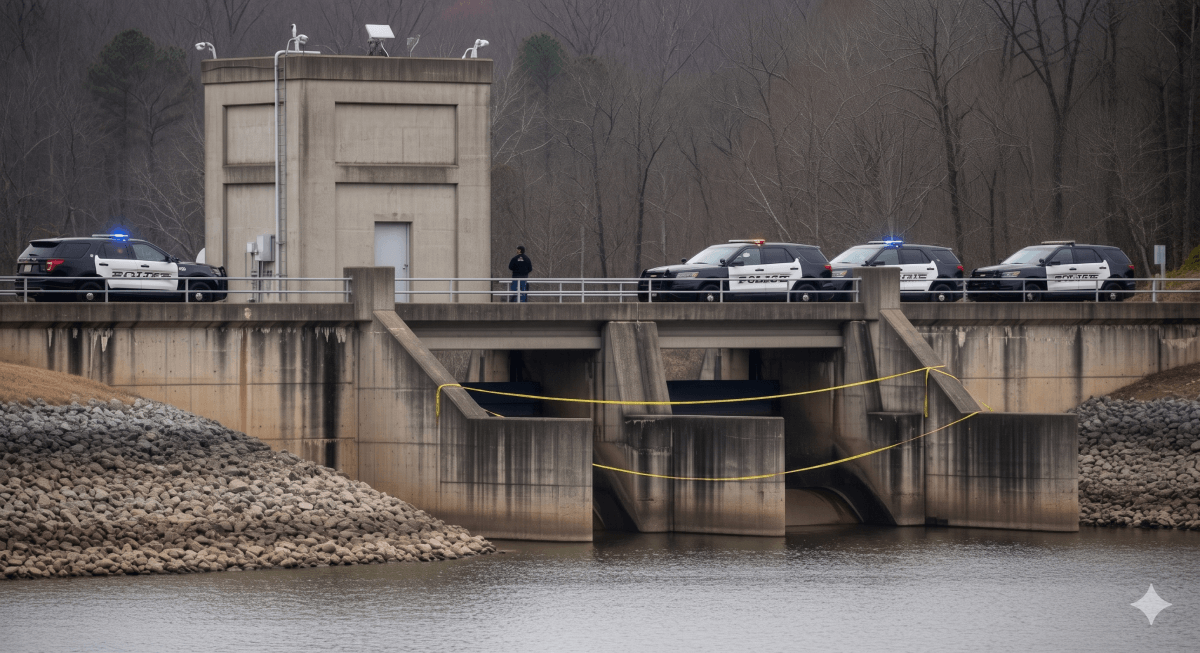
AI-generated image for: Explosive Device Found at Alabama Dam, Threatening Water Supply

Explosive Device Found at Alabama Dam, Threatening Water Supply

Contractors discovered a live explosive device submerged at the Converse Reservoir dam in Mobile, Alabama, a critical national infrastructure site. The device, identified as an improvised explosive, was safely removed and detonated without affecting the dam or drinking water supply.
Jump to The Flipside Perspectives

A live explosive device was discovered by contractors conducting routine maintenance at the Converse Reservoir dam in Mobile, Alabama, on Tuesday. The discovery prompted a swift, multi-agency response to secure the site, which serves as the sole water supply and primary drinking water source for the city of Mobile and surrounding municipalities. The dam carries a federal designation as critical national infrastructure, elevating the significance of the incident.

The contractors, who were performing underwater repairs, surfaced with the unexpected finding of an improvised explosive device (IED). Bomb experts who later examined the object determined it was likely purposefully built and placed at the critical location. This assessment immediately triggered a high-level alert due to the potential threat to regional water security and public safety.

Following the discovery, the Mobile Area Water and Sewer Service (MAWSS) promptly alerted the Mobile County Sheriff’s Office. This initiated a coordinated response involving numerous law enforcement and specialized bomb disposal units. Agencies that converged on the site included the Mobile County Sheriff’s Office, the FBI Bomb Squad, the Mobile Police Department Explosive Ordinance Detail, the Alabama Law Enforcement Agency (ALEA) Bomb Squad, and the Daphne Search and Rescue Team. Given the federal designation of the dam as critical infrastructure, the U.S. Department of Homeland Security (DHS) was also notified of the incident.

The delicate and dangerous task of retrieving and rendering safe the IED fell to the Gulf Coast Regional Maritime Response and Render-Safe Team. Their expertise was crucial in ensuring the device was removed without causing any damage to the dam's structural integrity or contaminating the reservoir's water supply. MAWSS confirmed in a news release that the IED was successfully removed and detonated safely, and the drinking water supply for the region remained unaffected throughout the operation.

MAWSS Director Bud McCrory addressed the public following the incident, emphasizing the paramount importance of safeguarding the community’s water resources. “Our top priority is keeping your drinking water safe,” McCrory stated. He further described the event as an "unprecedented threat," acknowledging the fortune that the device was discovered before it could inflict serious damage to the water supply or cause harm to individuals. McCrory expressed gratitude for the professionalism and competency of the law enforcement partners and the quick thinking of the contractors and divers involved in identifying and safely destroying the device.

Despite the successful mitigation of the immediate threat, authorities have released no information regarding the identity of any individuals connected to placing the device at the Converse Reservoir dam. No suspects have been publicly named, and MAWSS officials have refrained from speculating on who might be responsible. The case remains open, with investigators from various federal and state agencies continuing their efforts to identify those behind what is being treated as a serious act against critical infrastructure. There is currently no public timeline for when those responsible might be identified.

In response to this significant security breach, MAWSS has indicated plans to increase security measures at the dam moving forward. The incident underscores the vulnerabilities that critical infrastructure facilities face and the constant need for vigilance and robust security protocols to protect essential public services from deliberate acts of sabotage or terrorism. The Alabama Law Enforcement Agency, Mobile Police Department, FBI, and the Department of Homeland Security did not provide further comment to news inquiries, indicating the sensitive and ongoing nature of the investigation into this unprecedented threat to a vital Gulf Coast water source.

Advertisement

The Flipside: Different Perspectives

Progressive View

The discovery of an explosive device at the Converse Reservoir dam in Mobile, Alabama, exposes critical vulnerabilities in our collective infrastructure and highlights the urgent need for comprehensive security strategies that prioritize community well-being. From a progressive viewpoint, this incident is a call to action for systemic improvements in safeguarding essential resources like clean water, which is a fundamental human right. The fact that an "unprecedented threat" could emerge at a site providing water to an entire region underscores the need for proactive investment in infrastructure resilience and security measures that go beyond reactive responses.

This event also prompts reflection on the broader societal factors that might lead individuals or groups to target such vital communal assets. While supporting law enforcement's efforts to identify culprits, a progressive approach also considers the importance of addressing root causes of extremism, such as economic inequality, lack of social cohesion, or political disenfranchisement. Ensuring equitable access to safe water and secure living conditions for all communities should be a guiding principle. This incident reinforces the idea that collective security is intertwined with social justice, and protecting shared resources requires a holistic approach that builds community trust and addresses the needs of all residents.

Conservative View

The discovery of an improvised explosive device at a critical national infrastructure site like the Converse Reservoir dam is a stark reminder of the persistent threats to national security and the vulnerability of essential public services. From a conservative perspective, this incident underscores the primary role of government in protecting its citizens and vital assets. The immediate and robust response by multiple law enforcement agencies, including the FBI and Department of Homeland Security, demonstrates the necessity of strong, well-funded national security apparatuses capable of rapid deployment and effective threat neutralization.

This event highlights the need for increased vigilance and proactive measures to prevent acts of domestic terrorism or foreign aggression against critical infrastructure. Conservatives advocate for policies that prioritize national defense, robust intelligence gathering, and strict enforcement of laws against those who seek to undermine public safety and economic stability. The lack of identified suspects is concerning, emphasizing the need for thorough investigations and accountability. Furthermore, the incident reinforces the importance of securing borders and vetting individuals to mitigate potential threats from entering the country or radicalizing within. Protecting critical infrastructure is not merely a local issue but a matter of national security, demanding a firm commitment to law and order and the unwavering defense of American interests.

Common Ground

The discovery of an explosive device at the Converse Reservoir dam reveals significant common ground across the political spectrum regarding the protection of critical infrastructure and public safety. Both conservatives and progressives can agree on the paramount importance of ensuring access to safe drinking water for all citizens and the necessity of robust security measures to protect the systems that deliver it. There is bipartisan consensus on the need for effective law enforcement and rapid response capabilities to neutralize immediate threats, as demonstrated by the multi-agency coordination in Mobile.

Furthermore, both sides would likely support thorough investigations to identify and prosecute those responsible for such acts, recognizing that targeting critical infrastructure is a severe crime with potentially catastrophic consequences. Investing in the resilience and security of dams, water treatment facilities, and other essential infrastructure is a shared priority, as these assets are vital for economic stability and public health. This incident can serve as a catalyst for bipartisan cooperation on national security strategies, intelligence sharing, and resource allocation aimed at safeguarding the nation's most critical assets from all forms of threat, whether domestic or foreign.

What's your view on this story? Share your thoughts and remember to consider multiple perspectives and being respectful when forming and voicing your opinion. "If you resort to personal attacks, you have already lost the debate..."

Advertisement

Contact Us About This Article

Have a question or comment about this article? We'd love to hear from you.

About Fair Side News

At Fair Side News, we believe in presenting news with perspectives from both sides of the political spectrum. Our goal is to help readers understand different viewpoints and find common ground on important issues.