

Breaking
Sponsor Advertisement
Light Aircraft Crashes Into Beijing's Tallest Skyscraper
Image for: Light Aircraft Crashes Into Beijing's Tallest Skyscraper

Light Aircraft Crashes Into Beijing's Tallest Skyscraper

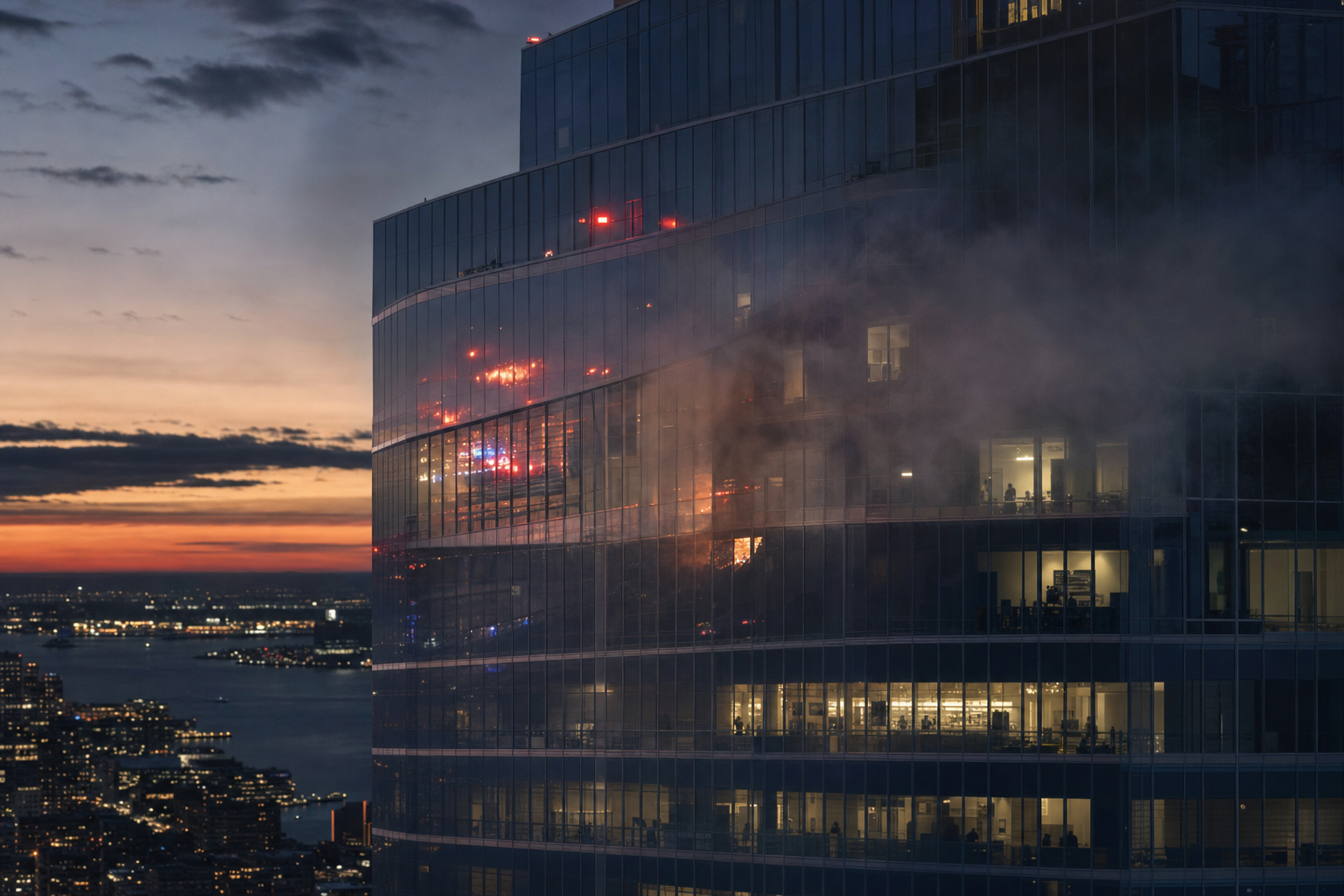
A light sport aircraft crashed into Beijing's Citic Tower, China's tallest building, on Friday evening, triggering an emergency response and building evacuation. Authorities have not confirmed any fatalities or injuries, nor disclosed details about the incident's cause or origin.
Jump to The Flipside Perspectives

A light sport aircraft struck Beijing’s Citic Tower, the tallest skyscraper in China’s capital, on Friday evening, prompting a rapid emergency response and the full evacuation of the building. The incident, which occurred around 5:40 p.m. local time, sent debris falling onto sidewalks and green spaces within the city’s central business district, according to eyewitness accounts and social media footage.

Chinese authorities had not confirmed any fatalities or injuries as of Friday night, nor had they released official information regarding the number of people aboard the aircraft, its point of origin, or the specific cause of the crash. Police quickly established a security perimeter around the 1,732-foot tower, closing nearby roads and restricting access to bystanders while firefighters and medical personnel responded. Multiple ambulances were observed at the scene as emergency services assessed the damage.

Videos circulating on social media platforms appeared to show the aircraft impacting the upper floors of Citic Tower, which serves as the headquarters for the China International Trust and Investment Corporation. These videos, alongside photographs of wreckage, identified the aircraft as a Sunward SA60L Aurora, a two-seat, single-engine light sport model bearing the registration number B-12PP. Flight tracking records suggest the aircraft was manufactured by China’s Starair Aircraft Co. One unverified social media post claimed the aircraft belonged to a local aviation company specializing in pilot training, sightseeing flights, and aircraft management services, though calls to the company reportedly went unanswered.

The crash took place only weeks after Beijing implemented stringent restrictions on recreational aircraft and drone operations across the city. Under these new regulations, all outdoor flights require advance approval from aviation regulators and air traffic authorities. The rules further prohibit the flying, selling, renting, or transporting of drones and their essential components within most of Beijing, with the exception of Yanqing District, which has been designated as an official testing zone for low-altitude aviation. These restrictions underscore a broader governmental focus on controlling airspace, even as China concurrently invests heavily in expanding its "low-altitude economy," a sector encompassing drone technology, logistics, and light aircraft, officially designated as a national emerging pillar industry in the country’s 2026 government work report.

Citic Tower, completed in 2018, is a prominent landmark dominating Beijing’s skyline and houses offices for one of China’s largest state-owned investment conglomerates. Occupants of the building described a chaotic evacuation. A woman identified only by the surname Lin told the South China Morning Post that she fled the building without any personal belongings. Another office worker in a nearby building recounted hearing a loud explosion before the arrival of emergency responders.

Chinese officials had not released an official statement regarding the incident by Friday night. Furthermore, reports indicated that videos and posts related to the crash were rapidly removed from several Chinese social media platforms shortly after they began to appear online, raising questions about information control. Bloomberg noted that it could not independently verify the images or circumstances of the incident.

Investigators are expected to conduct a thorough examination of flight records, maintenance history, and debris from the aircraft as they work to determine the precise cause of the crash. Authorities have not yet indicated when Citic Tower may reopen or whether structural damage extends beyond the immediate impact area. The incident highlights the complexities of managing airspace in rapidly developing urban environments, particularly in a nation that is both expanding its low-altitude aviation sector and tightening its regulatory grip on flight operations. The lack of immediate official information and the swift removal of online content underscore the challenges in obtaining transparent details about such events in China.

Advertisement

The Flipside: Different Perspectives

Progressive View

The aircraft crash into Beijing’s Citic Tower, regardless of its cause, brings to light several progressive concerns, particularly regarding urban safety, infrastructure resilience, and information equity. In rapidly developing urban centers globally, the increasing density of tall buildings and the proliferation of new air technologies, such as those in China's "low-altitude economy," necessitate robust, comprehensive safety standards and transparent incident response protocols. The potential for such an event to cause mass casualties or widespread panic underscores the collective responsibility to ensure public safety.

The reported removal of social media content and the delay in official statements are deeply concerning from a progressive standpoint, as they impede the public's right to information and potentially hinder a thorough, independent investigation. Transparency is crucial for learning from such incidents and implementing systemic improvements that protect all citizens. Moreover, the incident highlights the need for international cooperation on aviation safety and urban planning, ensuring that technological advancements are accompanied by equitable access to safety measures and clear communication, rather than being concentrated without adequate oversight. An empathetic approach requires focusing on the well-being of those affected and ensuring that all necessary information is made available to prevent future tragedies.

Conservative View

The incident in Beijing underscores critical concerns about government transparency and accountability, particularly within an authoritarian state like China. The swift removal of social media posts and the lack of immediate official statements following a significant event raise red flags about the free flow of information and the ability of citizens to understand potential risks. From a conservative perspective, such actions by the Chinese government highlight a systemic lack of trust and open communication, which can have broader implications for international relations and global stability.

Furthermore, the crash, occurring shortly after new restrictions on recreational aircraft, points to the inherent challenges of heavy government regulation. While safety is paramount, overly restrictive policies, especially those without clear enforcement or public understanding, can create unintended consequences or fail to prevent incidents. The "low-altitude economy" initiative, despite its economic ambitions, must be balanced with robust, transparent safety protocols, rather than relying on an opaque, top-down approach. Conservatives prioritize individual liberty and the free market, and the Chinese government's control over information and its citizens’ activities stands in stark contrast to these values, making any incident like this a point of concern regarding the broader implications of state power.

Common Ground

Despite differing political philosophies, there are clear areas of common ground regarding the aircraft crash in Beijing. Both conservative and progressive perspectives share a fundamental concern for public safety and the need for thorough, impartial investigations into such incidents. Regardless of the political system, ensuring the safety of urban populations and critical infrastructure is a universal priority. There is a shared interest in understanding the root causes of the crash, whether it be human error, mechanical failure, or regulatory oversight, to prevent future occurrences.

Furthermore, both sides can agree on the importance of robust aviation safety standards, whether for traditional aircraft or emerging technologies like drones and light sport aircraft. The incident highlights the global interconnectedness of aviation safety and the potential for any major incident to have international implications. There is also a shared understanding that transparency, while perhaps viewed through different lenses (e.g., government accountability vs. public right to know), is generally beneficial for fostering trust and ensuring effective crisis management. Promoting international cooperation on aviation safety protocols and data sharing could be a practical, bipartisan approach to enhancing global security and preventing similar tragedies.

What's your view on this story? Share your thoughts and remember to consider multiple perspectives and being respectful when forming and voicing your opinion. "If you resort to personal attacks, you have already lost the debate..."

Advertisement

Contact Us About This Article

Have a question or comment about this article? We'd love to hear from you.

About Fair Side News

At Fair Side News, we believe in presenting news with perspectives from both sides of the political spectrum. Our goal is to help readers understand different viewpoints and find common ground on important issues.